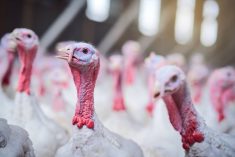
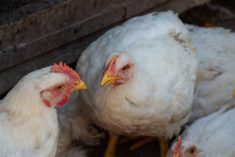
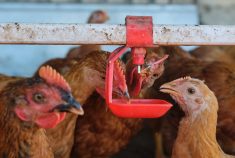
The U.S. will rebuild its stockpile of bird flu vaccines for poultry matched to the current strain of the virus circulating among commercial flocks and wild birds, the Department of Agriculture said on Wednesday.
The ongoing bird flu outbreak, which began in poultry in early 2022, has killed more than 130 million commercial, backyard and wild birds in all 50 states, according to the U.S. Centers for Disease Control and Prevention.
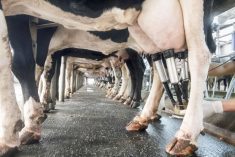
Bird flu is also circulating among dairy cattle herds and has infected nearly 70 people, most of them farm workers exposed to sick poultry or cattle.
Read Also
Southern California honeybees show resistance to varroa mites
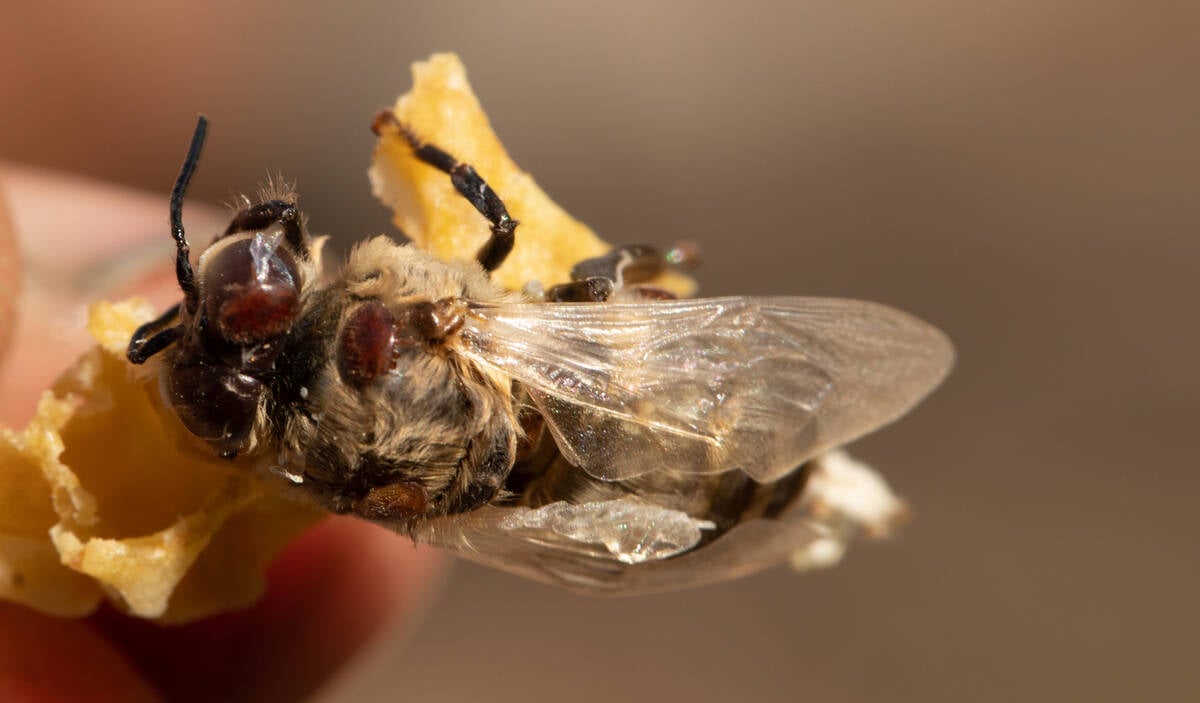
Regionally-adapted honeybees in southern California show natural resistance to varroa mites, according to new research from University of California Riverside.
The U.S. built a poultry vaccine stockpile after the prior major bird flu outbreak in 2014 and 2015, though the vaccines were never used, the agency said in a press release.
“Due to the introduction of new HPAI (highly pathogenic avian influenza) strains, namely D1.1 from wild birds, and persistent outbreaks among commercial poultry farms, USDA believes it is prudent to again pursue a stockpile that matches current outbreak strains,” the release said.
Egg and turkey farm groups have called for deploying a vaccine, citing the economic toll for farmers of killing their flocks.
Agriculture Secretary Tom Vilsack has said such deployment would not be possible in the short term, in part due to trade risks. Many countries ban imports of vaccinated poultry over concerns the vaccine could mask the presence of the virus.
The USDA also said it has enrolled 28 states in its national bulk milk testing program to detect bird flu in dairy herds, and that testing so far had not detected new infected herds in states that previously were virus-free.
In the past 30 days, USDA has reported infected herds in California and Texas, according to agency data.