
Olds College will add a new certificate in meat industry management to its curriculum starting next spring.
“Upon commencing, it will be the only true gate-to-plate program of its kind in North America, giving graduates a comprehensive understanding of all aspects of the meat industry from slaughter right through to purchase by the consumer,” the college said in a release.
Olds College, whose program areas include agriculture, animal sciences, horticulture and land and water resources, said the new 15-week certificate program will build on the college’s current certificate program in meat processing.
Read Also
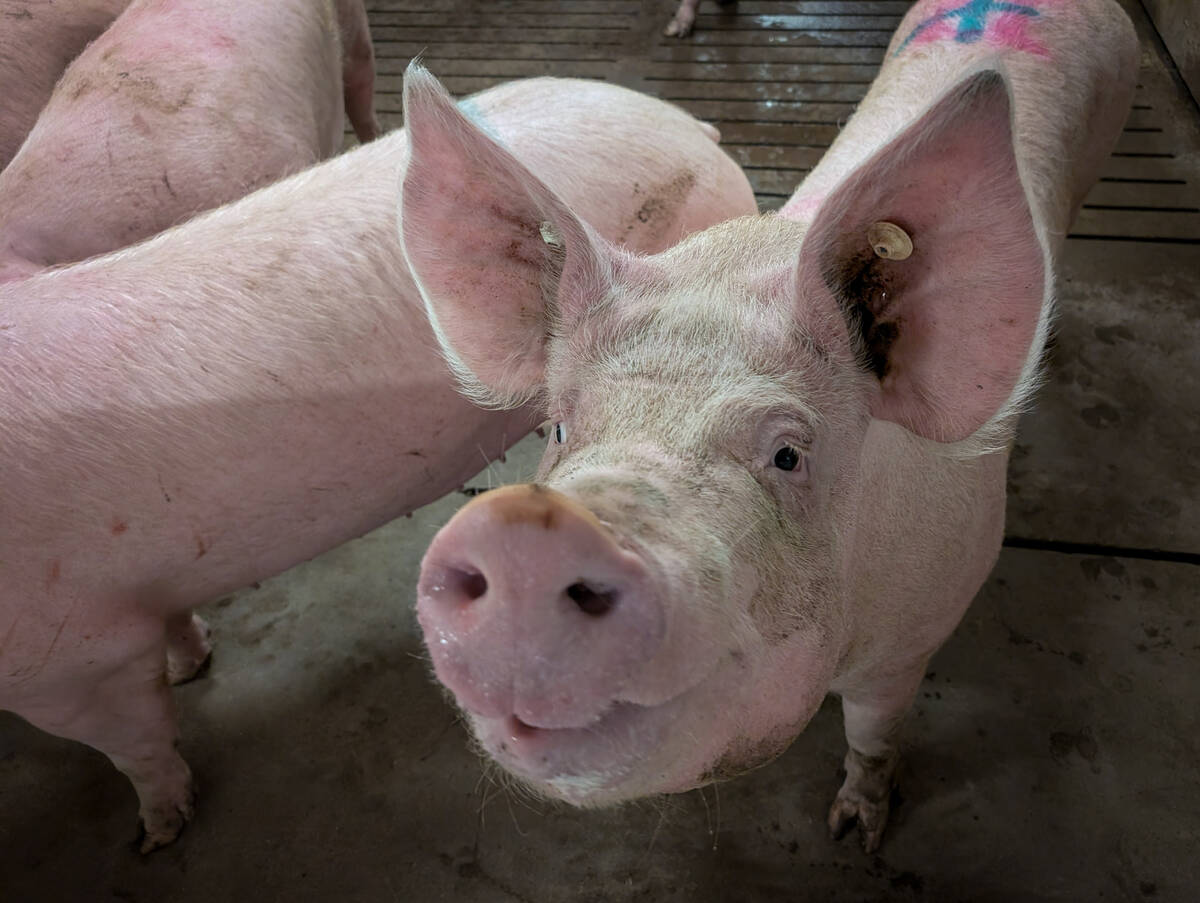
Producers encouraged to enhance biosecurity in response to porcine epidemic diarrhea virus discovery
One expert says producers need to enhance their biosecurity in the face of porcine epidemic diarrhea virus’ reemergence in southern Alberta.
The processing program provides both hands-on training and “stringent standards regarding sanitation and food safety,” the college said.
“Safety is always one of the big issues in the industry,” said Brad Mcleod, who coordinates the processing program and now the management program as well, in the college’s release. “The other big concern is leadership.”
Graduates of the meat industry management program “can be expected to become industry leaders in food safety, equipped with the skills to provide management and leadership expertise in their places of employment,” the college said.
The new program is being set up in response to “demand from within a $20 billion-per-year industry,” the college said.
The meat sector employs about 80,000 people in over 1,000 Canadian companies, more than forestry and farming combined, and growing by about 6,000 positions per year, Olds College said, citing industry estimates.
“With domestic hog production growing from 14 million head to 23.4 million between 1990 and 2007, and over three million cattle slaughtered annually, it’s clear that demand for knowledgeable management is strong.”