

A series of clipper-style weather systems swept through the Prairies this winter — and for anyone watching the skies, the pattern felt familiar. After a dry November start, this clipper-driven regime dominated the region for three consecutive months.
North benefits, south struggles
Read Also
Neutral conditions drive 2026 weather as La Niña subsides
U.S. government meteorologist expects there will be neutral ENSO conditions for the 2026 farm growing season.
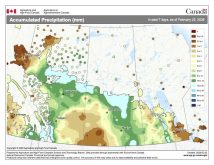
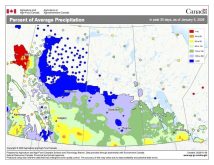
While individual clippers don’t deliver heavy precipitation, their high frequency this season added up. Northern Alberta and northern Saskatchewan received 10 to 50 millimetres above the long-term average — a meaningful boost for the Parkland region, which had come through the 2025 growing season already below normal.
One notable exception in the north: the Peace River region. Precipitation there was well below normal all winter, with deficits of 40 to more than 60 millimetres.
For southern growing regions, the picture is more troubling. These areas received 10 to 50 millimetres below average precipitation this winter — compounding shortfalls that already existed from a dry summer in 2025.
The largest concern heading into spring is dryness in the southern Prairies and Peace River — both need good spring rain to support crop growth in 2026.
Regional snapshot
Zone
Northern Alberta, Saskatchewan
Parkland region
Central Prairies
Peace River region
Southern Prairies
Winter precipitation
10-50 mm above average
Above normal
Near normal
40-60+ mm below average
10-50 mm below average
Outlook
favourable
favourable
watch
concern
concern
Spring forecast: warm in the south, normal in the north
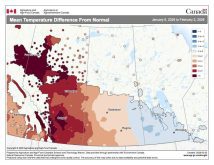
Spring temperature forecasts point in different directions depending on where you farm. The southern Prairies are expected to see above-normal warmth, which should support early planting across the region.
Central and northern growing areas are forecast to see temperatures closer to normal. Combined with above-normal snowpack in the north, those conditions could delay planting for northern producers. Central areas are expected to see normal planting progress through May.
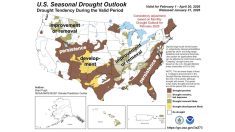
Overall Prairie precipitation for spring is forecast near normal — but that average will do little to compensate for regions already running a significant moisture deficit.
Bottom line for the 2026 season
Despite the pockets of concern, the Prairies are entering the 2026 planting season in relatively good shape overall. The north is well-stocked with moisture; central regions are near normal. The critical variables will be how spring rains fall — and whether southern growers and the Peace River region receive enough timely precipitation to offset two consecutive years of shortfalls.
A dry winter across southern Alberta and Saskatchewan raises crop concerns for 2026, while northern regions benefit from above-average snowfall.