

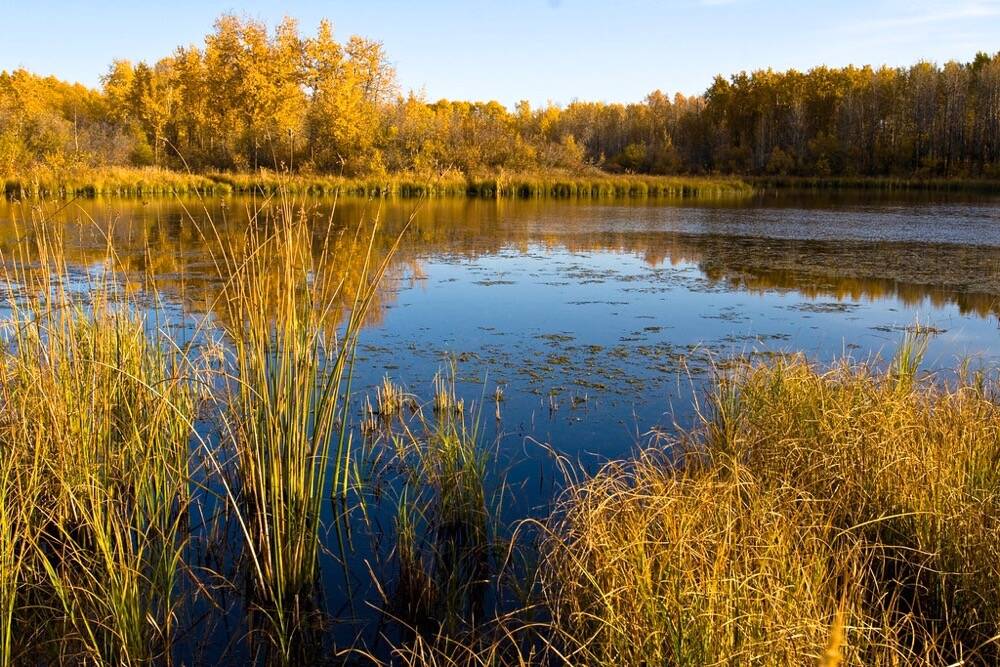
Alberta’s government is investing $5.3 million to build more wetlands across the province. Through the Wetland Replacement Program, 67 hectares of new wetlands will be added across central and southern Alberta through seven new wetland projects.
Since 2020, Alberta has invested more than $25 million through the Wetland Replacement Program and has restored or constructed about 676 hectares of wetlands across the province.
WHY IT MATTERS: Wetlands are vital to water management and drought resistance in Alberta.
Read Also
Prairie spring forecast: What weather models predict for March to May
Weather models offer varied outlooks for Prairie spring. This forecast review compares Old Farmer’s Almanac, NOAA, CFS, CanSIPS, and ECMWF predictions for March through May temperatures and precipitation.
Wetlands have important functions. They store and release water to reduce damaging effects of flooding and drought, and filter runoff to keep rivers and lakes clean. Wetlands also recharge groundwater and provide habitat for plants and animals. Municipalities, non-profits, governments and rural landowners are all part of the process.
The seven new wetlands projects will strengthen natural flood and drought defences, improve water quality, and support communities.
Examples of the projects include turning a drained wetland on private land back into a fully functional wetland that will help store more water in the typically dry region of Special Areas No. 3. Another project in Strathcona County will transform large end pit lakes from past industrial into wetlands that will help store, filter and clean water near the North Saskatchewan River.
A third project in Parkland County will see a low-lying upland area will be turned into water-storing wetlands, reducing the risk of floods downstream. Other projects will be underway in Sturgeon County, the Ann and Sandy Cross Conservation Area, and with private landowners southeast of Holden, southwest of Youngstown and southwest of New Sarepta.
The Wetlands Replacement Program provides a way to restore wetlands across the province and prioritize areas with the highest rates of wetland loss.
Since 2020, rural landowners have received more than $6.04 million in payments for hosting new or restored wetlands on their properties.