

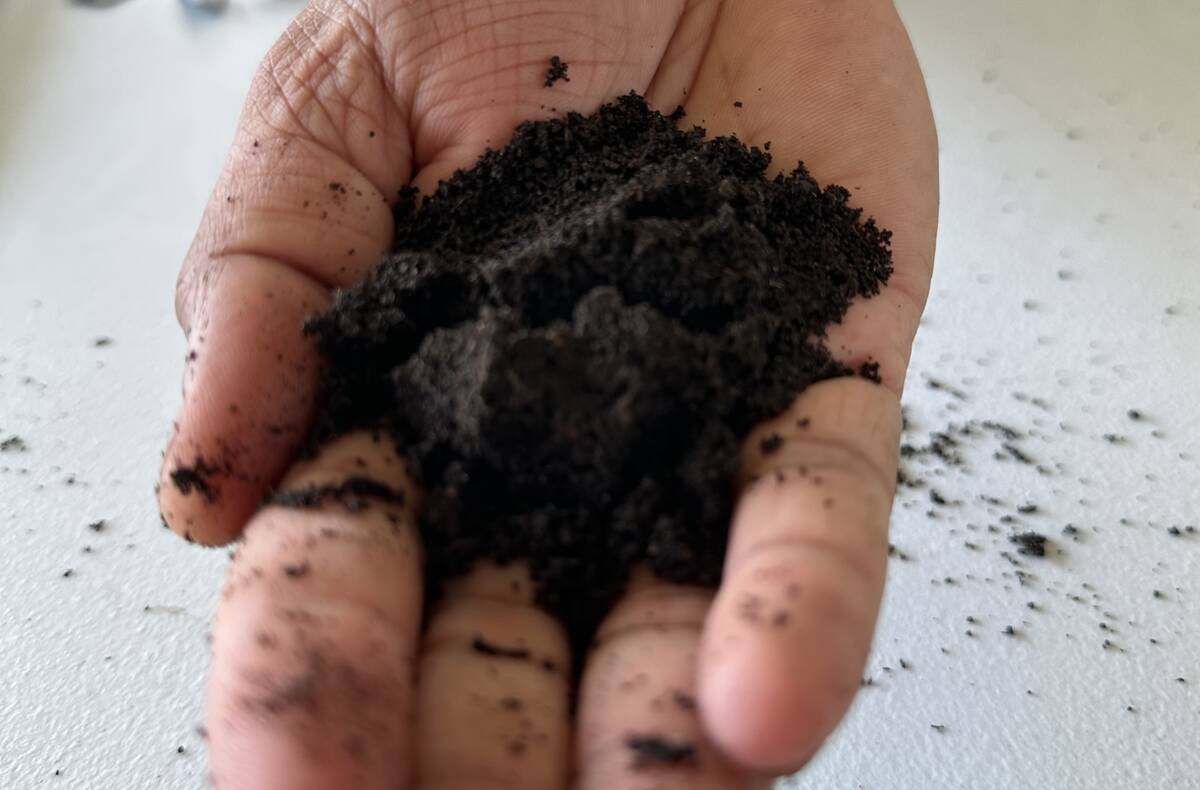
The federal government has committed to advancing the National Agricultural Soil Health Strategy. Minister of Agriculture and Agri-Food Heath MacDonald announced on March 26 that Agriculture and Agri-Food Canada will partner with the Soil Conservation Council of Canada on strategy’s development.
The strategy will support sustainable practices, improve data collection and strengthen the long-term resilience of Canada’s agricultural lands.
Read Also
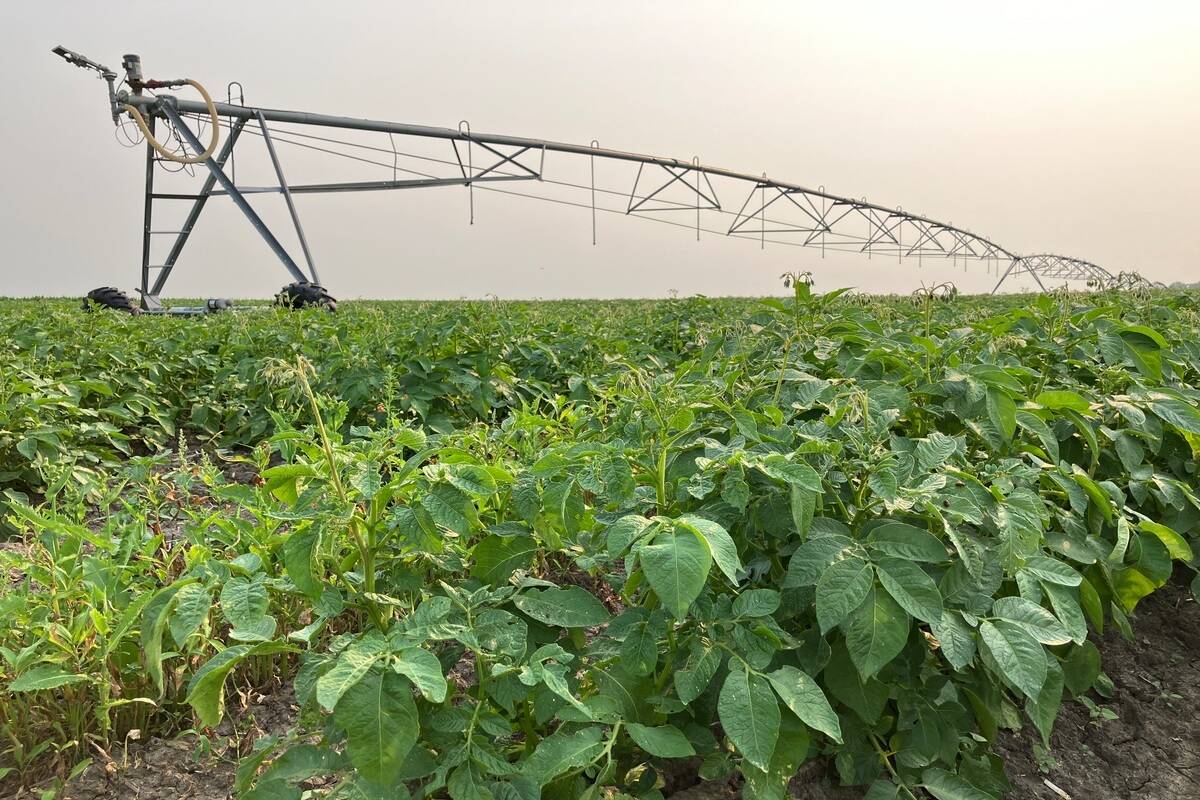
Alberta potato growers face rising costs, trade uncertainty and global competition
Alberta potato growers are navigating surging input costs, new global competitors, and an uncertain U.S. trade relationship.
WHY IT MATTERS: A national soil health strategy is key to maintaining Canada’s strong global position in the agriculture industry as climate change threatens the sector.
MacDonald made the announcement alongside Senator Rob Black, who led a Senate study of soil published in the 2024 report “Critical Ground: Why Soil is Essential to Canada’s Economic, Environmental, Human and Social Health.”
Black said work could begin as early as April and be completed by December 2027. He said the strategy will avoid a one-size-fits-all approach and will include educational and financial support, peer-to-peer networks, and a position for a national soil health advocate.
The strategy will focus on collaboration and will identify gaps in research, measurement, education, and extension, said Alan Kruszel, the SCCC’s eastern producer director.
Alberta reaction
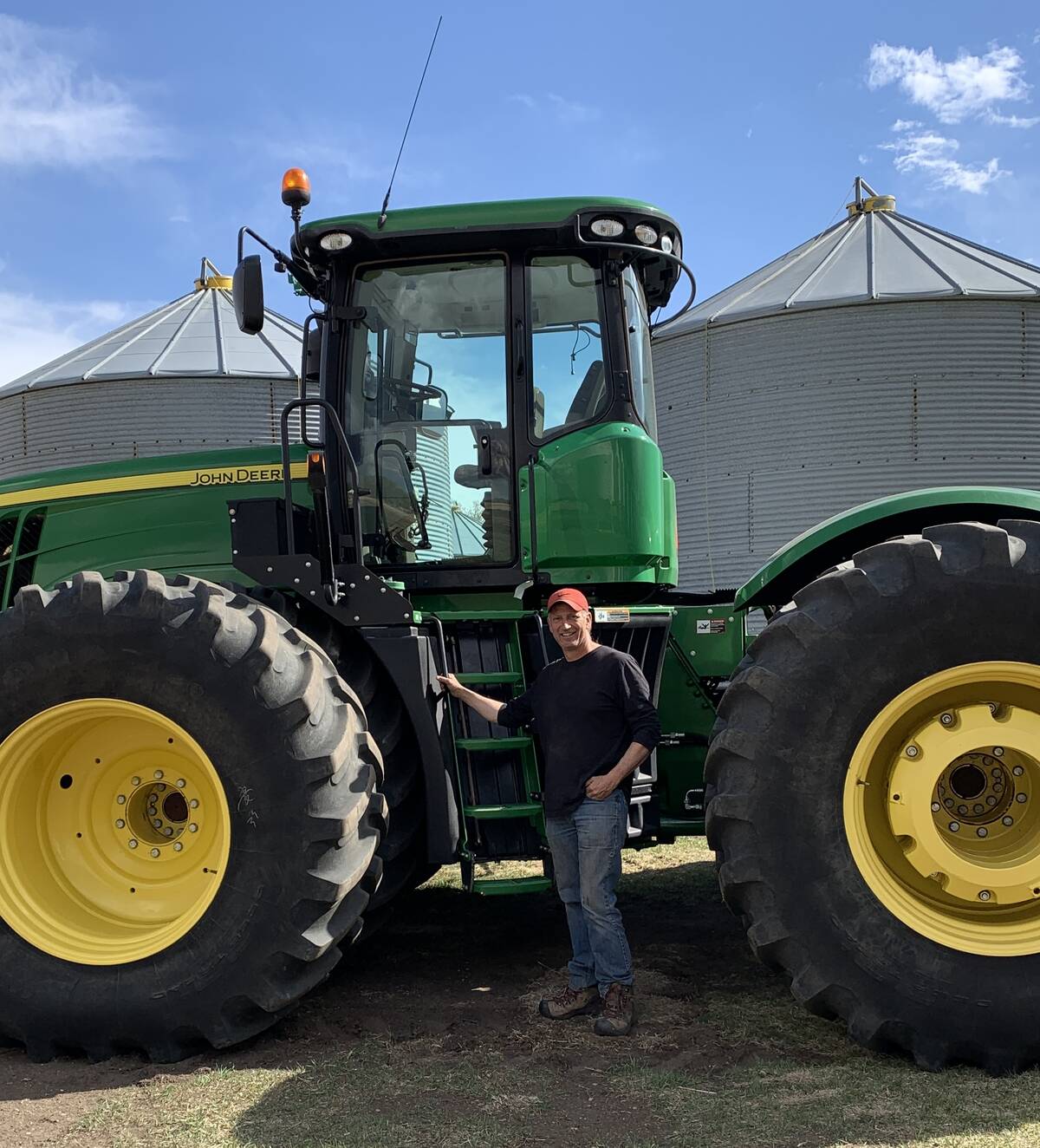
Roger Chevraux, a grain farmer near Killam, was involved with Black’s committee that worked on the soil report.
“The stuff that the Senate did back then was good. They reached out to several different farm groups, and they did have some testimony,” he said.
Chevraux said the strategy recognizes that Canadian farmers are already doing good work, including the widespread shift to zero-till and efforts to reduce erosion and build soil organic matter.
“I’m glad that Canada is taking some interest in soils across Canada, and they want to make sure it remains healthy for us, because it is so vital to our existence and to our farming and agriculture here in Canada,” he added.
A director with the Alberta Canola Producers Commission and the Canadian Grains Council, Chevraux is encouraged to see the government working with the SCCC and other partners across the sector.
“As long as they continue to reach out to different farm organizations and continue to do the work they’re going to do, I think it’s a good exercise for us to continue to recognize that our soil is critical for the Canadian economy and for (humankind) in general,” he said.
Questions about the strategy
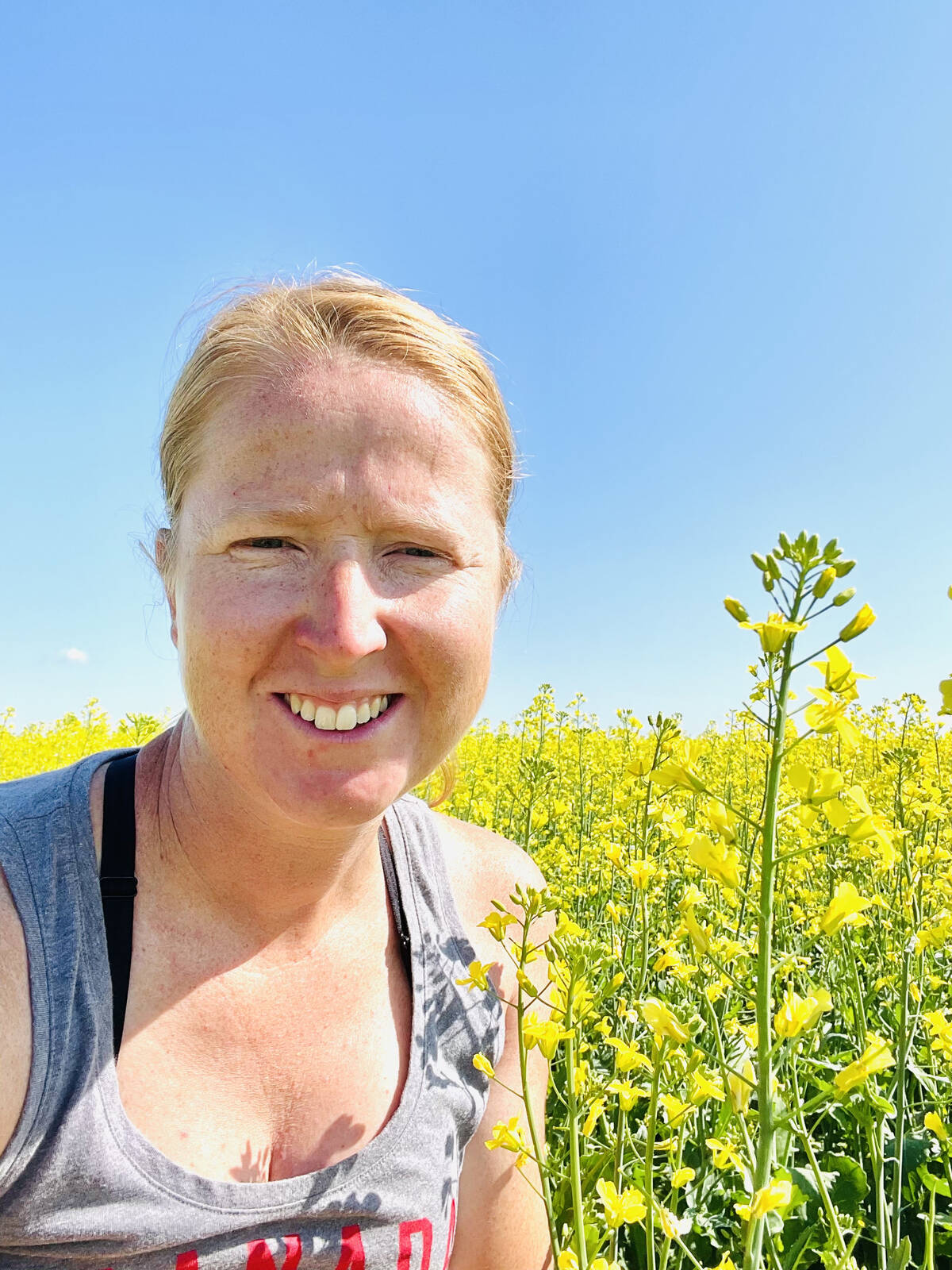
Cheryl Westman, an agronomist who operates a mixed farm near Vermilion, more skeptical.
Her biggest concern is making sure people with the right knowledge and background are conducting the research — and that they consult directly with producers.
“Farmers in Alberta do a good job of trying to do the right things to keep our soil healthiest, and to make sure we’re not deteriorating it,” she said. “We’re good leaders on that. The improvement in our soil organic matter over the years is a testament to that.”
Westman wants to know who is involved, what the strategy will entail and what the end game is.
“The biggest concern is what’s the next rule that’s going to be coming down the line to us, and is it going to be workable?” she said.