
A quarter-century in the making, the Water Amendment Act updates the Water Act to better aid farmers, ranchers and other users in water management.
It modernizes the rules and processes for the growing population and economy in Alberta in the process.
The amendments came into effect Mar. 11, looking to cut red tape, improve transparency and meet the needs of users while maintaining environmental protections.
WHY IT MATTERS: Environmental concerns, hastened reporting and transparency are all crucial for the multiple users of water in Alberta, which the Water Amendment Act helps.
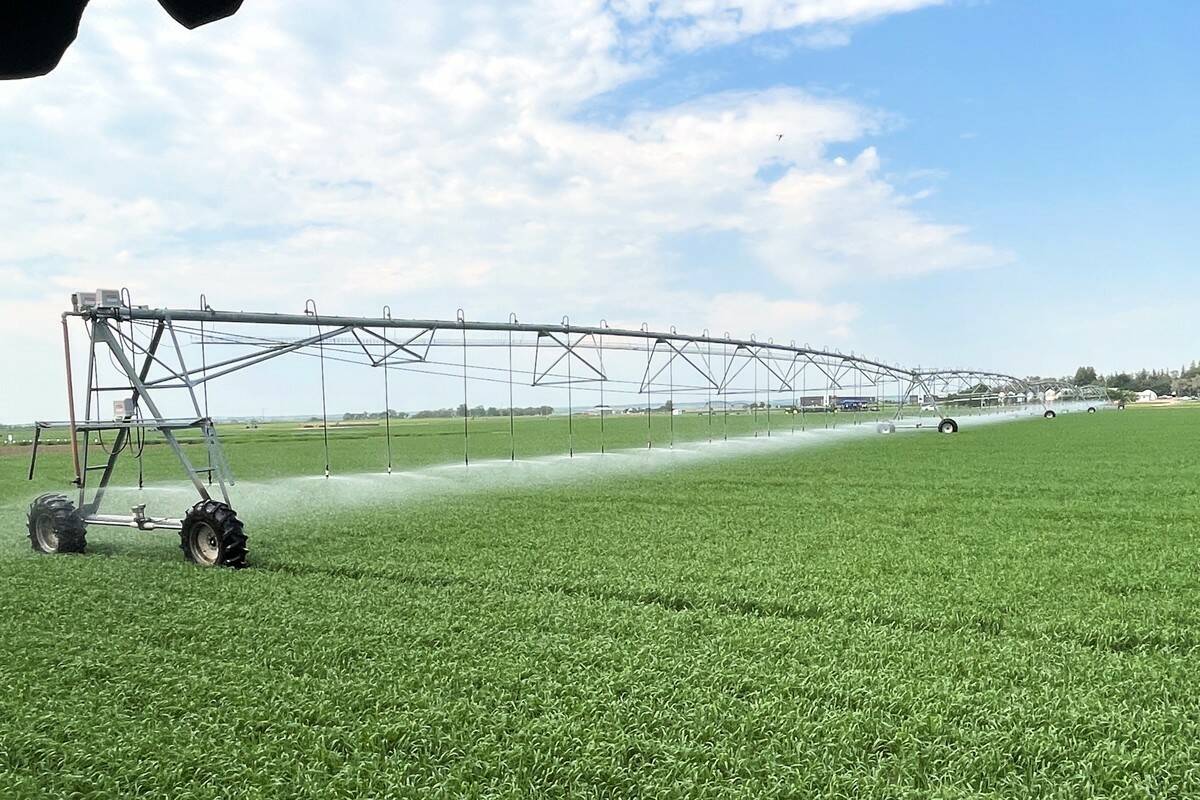
It aims to help farmers and ranchers more easily amend their licences and consolidate allocations under a single licence, while making sure other water users and the environment are not negatively impacted. This flexibility makes it easier to adapt to conditions on the ground and effectively access and use water.
Read Also

100 years of sweet success: Alberta Sugar Beet Growers overcome tough ’25 season
From tense contract negotiations in Montreal to a record-breaking “mad rush” planting in May, the Alberta Sugar Beet Growers’ 100th year was anything but predictable. Here’s how southern Alberta producers managed to beat the five-year sugar content average and navigate local disease pressures to deliver over 726,000 tonnes.
Amendments allow the government to set consistent measurement and reporting expectations for all licence holders. The detailed requirements for measuring and reporting water use will be informed through upcoming discussions with water licence holders.
Alberta’s government will also develop policy to establish how any prices paid for water as part of a licence transfer will be reported in the future.
Streamlining licences for farmers and irrigation districts
“Amending the Water Act has improved access to water and streamlined certain processes, especially for users with multiple licences, like irrigation districts, which will improve reporting and strengthen transparency in water use,” said Richard Phillips, chair of Alberta Irrigation Districts Association, in a provincial government press release.
Alberta’s water licence priority system, based on first-in-time, first-in-right, remains unchanged. The Water for Life strategy and its goals remain in place.
The Water Amendment Act removes barriers and improves processes associated with water licensing, making it easier to access and use water.
“These amendments will provide municipalities with the resources and tools they need to support their communities. By reducing unnecessary red tape, we will save time and taxpayer money. Enhancing re-use applications will enable further cost savings and new revenue streams,” said Josh Bishop, reeve for Wetaskiwin County.
New rules for inter-basin transfers and water re-use
Alberta was the only province in Canada to require inter-basin transfer decisions to be authorized through a special act of the legislature.
Now, a new category of lower risk inter-basin transfers can be approved through a ministerial order. Only transfers that meet strict environmental standards and limits are eligible under this lower-risk category. Any proposed inter-basin transfer that does not meet these standards will continue to require a special act of the legislature.
Tapping into rainwater and wastewater solutions
The amendments also enable communities and others to collect rainwater from rooftops and reuse wastewater, improving conservation and increases water reuse for municipalities, industry and agriculture.
“Defining rainwater and considering water recycling and reuse are important to our operations. We are always fresh, local vegetables year-round, and to remain competitive we must use all resources efficiently,” said Ryan Cramer, CEO Big Marble Farms.
Royalties, bulk or volumetric pricing of water are not included in the amendments.
What’s next: reporting and measurement standards
Environment and Protected Areas will engage water users and licensees to establish and implement standards for water-use measurement and reporting. Most large water users already have measurement systems in place in their operations. Low and no-cost options will be available for water users and reporting will be made public.
Key Takeaways
- Modernized Licensing: Farmers and irrigation districts can now consolidate multiple water licences under a single, streamlined allocation.
- Faster Approvals: Lower-risk inter-basin transfers can now be approved via Ministerial Order rather than a special act of the legislature.
- New Reuse Rules: Legislation now officially supports rooftop rainwater collection and wastewater recycling for municipal and agricultural use.
- Priority Remains: Alberta’s “first-in-time, first-in-right” priority system remains unchanged to protect existing licence holders.
- Increased Transparency: New measurement and reporting standards will be developed to track water use across the province accurately.