
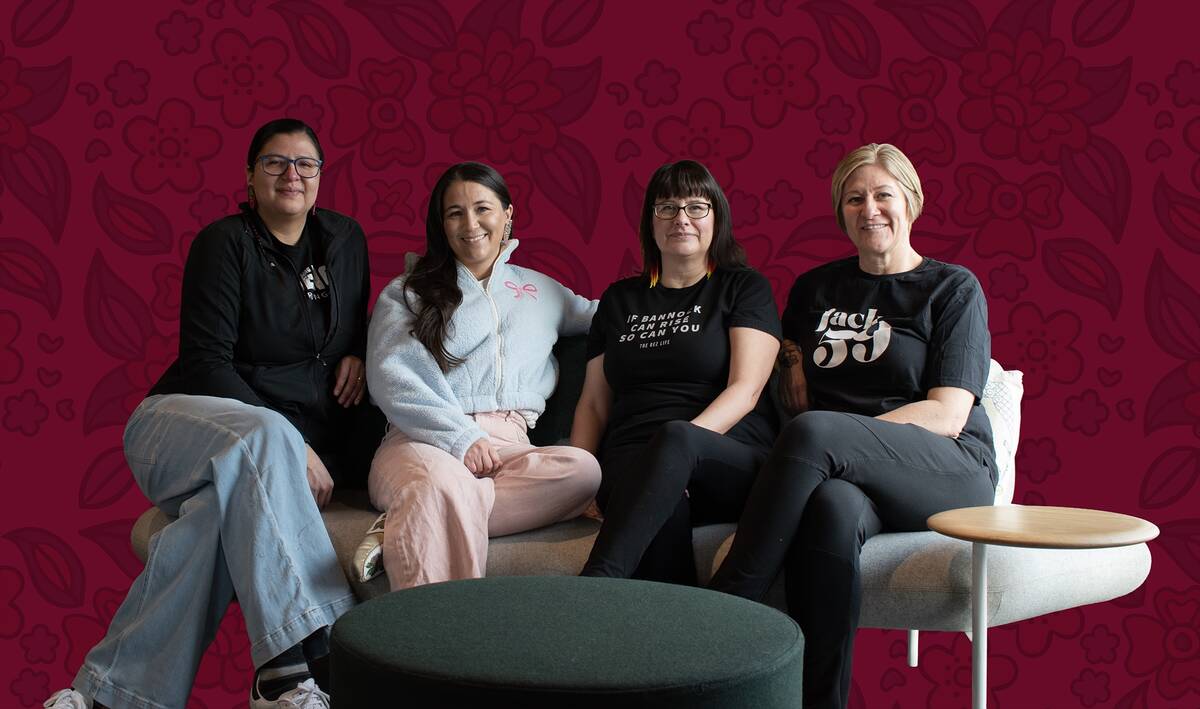
Four Indigenous entrepreneurs have launched a new podcast called “Settle Down” to talk about running businesses, Indigenous culture and lessons learned. Three Indigenous women and one Métis woman share their experiences and stories in each podcast episode.
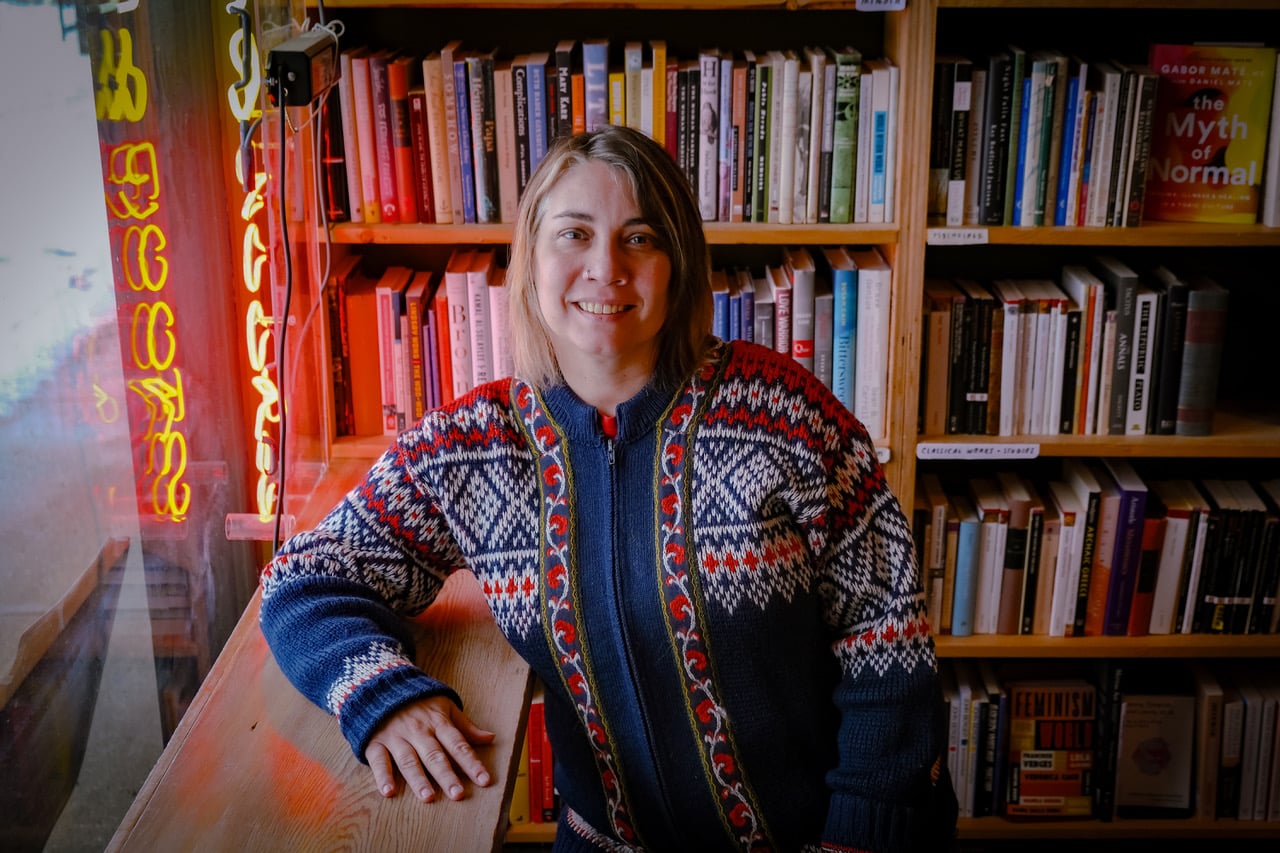
Felicia Dewar, a member of the Sucker Creek First Nation, said the podcast started organically. Dewar is the founder of miskamâsowin foods inc, which weaves culture, entrepreneurship and storytelling through the sale of homemade bannock kits.
She’s also involved with pîkiskwěwin, an Indigenous-led podcast platform.
Read Also
Innovation takes centre stage at record-breaking Ag Expo
Lethbridge event hits capacity with 326 global exhibitors showcasing the latest ag tech, innovation and the 129th North American Seed Fair.
Dewar met with Mallory Yawnghe, the owner of Indigenous Box, a subscription box that specializes in items from Indigenous creators.
“Mallory and I went out for lunch, and we were talking about some of the issues we were having and some of the things that we were frustrated with. It was such a moment of filling your bucket,” she said.
Both women wanted to continue their conversation and invited two more women to join them; Shani Gwin, who is founder and chief executive officer of pipikwan pêhtâkwan, a public relations firm that specializes in Indigenous issues, and wâsikan kisewâtisiwin, an AI company. The other member is Vanessa Marshall, creator of Jack59, a sustainable haircare brand.
All the women are based in the Edmonton area and had felt isolated in their entrepreneurial journeys.
Podcast has already dropped
Four episodes of the podcast have already been recorded, and the first episode aired Feb 10. “Settle Down” is available on all podcast platforms and the podcast’s website, with a new episode dropping every Tuesday.
Dewar said the second podcast episode focussed on their entrepreneurial journeys, and how the women decided to begin their businesses.
“We’re talking about how we are creating value-based businesses and how different that is to what the western world usually models their businesses after. Our goals and objectives look quite different to what I’ve seen working in the western world. We talk a lot about those differences,” she said.
The women also discuss the barriers and struggles they’ve had creating and growing their businesses and how they have overcome these struggles.
Indigenous teaching and backgrounds
“It’s quite wonderful because we all have such different backgrounds. Mallory grew up on reservation, and with her community and teachings. She’s got such great teachings, and she shares those in every episode. Shani, who is Métis, also grew up knowing who she was. She also has teachings from her family that have been passed on,” she said.
Dewar has been in the process of reconnecting to her community and culture, as has Marshall.
“It’s quite interesting, the different perspectives that we have. How we’re building our businesses is very matriarchal,” she said. “I’m noticing that as we talk about how we are structured.”
Dewar said while she might not have the words to describe her work, Yawnghe and Gwin are able to explain the teachings.
“There is a lot of that personal journey we share, a lot of those teachings we share, some pieces of language concepts we share, and a lot of laughter, a lot of love, some tears, and hopefully more laughter than tears,” Dewar said.
The podcast will be covering other topics such as funding, partnerships, contracts and supply chain.
“We’ve talked a lot about the barriers to getting on to mainstream grocery shelves,” said Dewar, who signed a deal with Co-op last year to supply her bannock mix in Western Canada. She has also worked with the Sobeys local program.
“We’re going to have people come in to talk about funding models and funding available for entrepreneurs. It’s quite comprehensive in my mind, but it’s a lot of fun,” she said.
Big auntie energy
The podcast encapsulates “big auntie energy”, a concept in Indigenous culture where aunts are fun, knowledgeable, and can correct younger relatives, but with lots of teasing and a good heart.
“When aunties get together, that big auntie energy is really just teasing each other, and giving each other a hard time and laughing hysterically,” Dewar said.
She said it’s important for Indigenous and Métis women to share their stories because it helps them feel less alone.
“When you’re together in a room, you find out you’re not alone as much, and it helps you build confidence in who you are and the decisions you are making. It helps you relate to people,” she said.
“It’s just so great to have a similar outlook on life, and similar teaching that you can feel like we’re better together, stronger than by yourself.”
Misconceptions about Indigenous businesses
Dewar said there are several misconceptions about Indigenous businesses. One misconception is that there are a lot of grants available for these businesses. There are some grants and loans available, but they are difficult to get.
“One of the things I found interesting is that there are grants, but you can’t get them unless you get a loan,” she said.
Loans require a good credit score, assets and proof of income.
“A lot of our people, I don’t think we were allowed to get a loan until the 1970s,” she said.
Indigenous people who live on reserves cannot leverage their land because they don’t own it.
“It’s interesting how people think we’ve got this essentially free ride. Yet everything is honestly quite difficult. And when you create a values-based business and you’re not so focussed on the bottom line, and you want to take on investors, well they’re focussed on the bottom line. It’s only recently that we’re getting Indigenous groups of investors. This year we’ve seen an influx, but it’s usually for tech,” Dewar said.
The women have committed to running “Settle Down” for two seasons of 12 episodes each.
Dewar said “Settle Down” will appeal to entrepreneurs, and people who want to learn about the culture and lives of modern Indigenous women.
“If you’re an area where you want to learn to work with the Indigenous community, then we’re for you too,” she said.
“There’s a lot of great insight for people who are committed to Truth and Reconciliation, who want to do more than a land acknowledgement,” she said.
Dewar said the podcast gives an upbeat, positive message to everyone in a political climate and economic climate of uncertainty.
“We’re just four women that want to help.”