

Alberta’s water supply outlook for 2026 is positive.
After several dry years and El Niño producing warm and dry winters across Canada, early findings in 2026 are showing Alberta’s precipitation levels are bringing much-needed moisture back to the province.
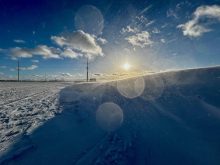
Most mountain snowpack sites surveyed are reporting snowpack levels above or well above normal. After three years of low early-season water supply forecasts, current conditions are the most favourable since early 2022.
Read Also
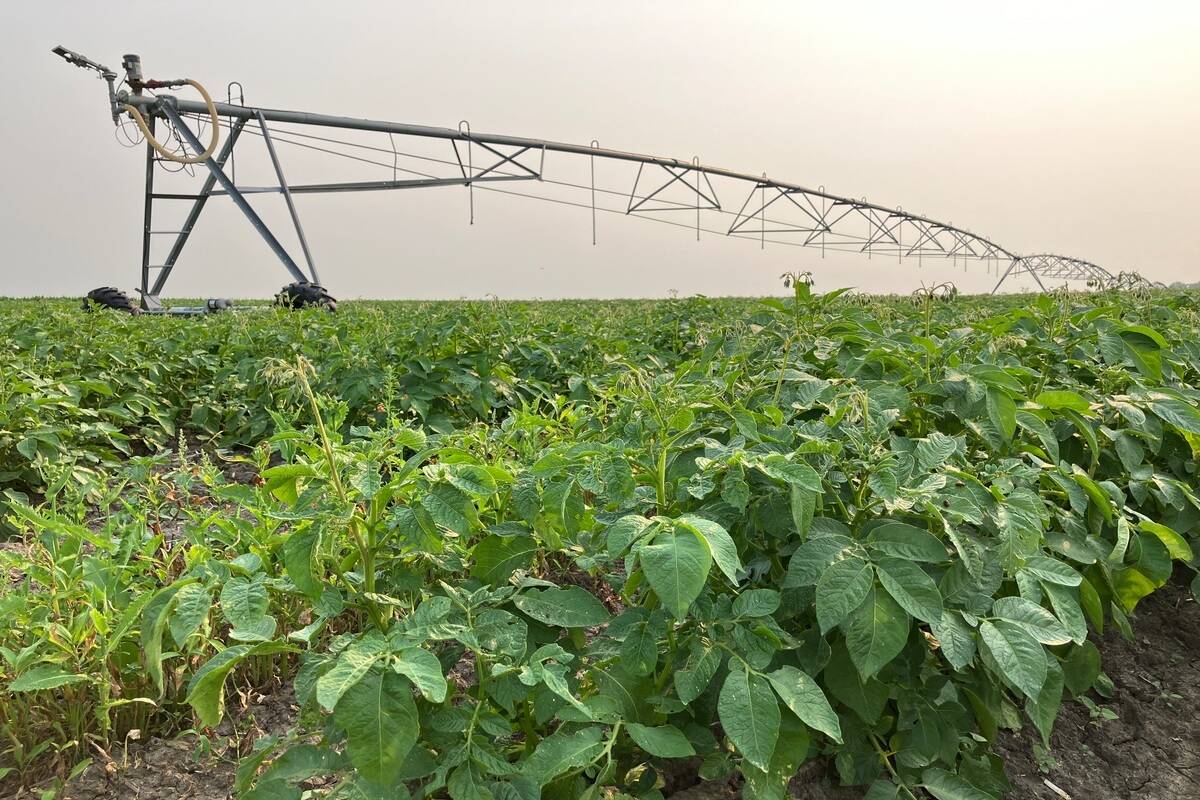
Alberta potato growers face rising costs, trade uncertainty and global competition
Alberta potato growers are navigating surging input costs, new global competitors, and an uncertain U.S. trade relationship.
This will be good for farmers, businesses, communities and every Albertan who uses and relies on water every day, said Grant Hunter, minister of environment and protected areas.
February’s water supply outlook shows river volumes expected to be greater than those seen in 2025. The Milk River is forecasted to see normal river volumes, while the North Saskatchewan and the Red Deer river basins are predicted to be above normal. The Bow and Oldman river basins are forecasted to have river volumes ranging from normal to above normal.
February snow survey results show mountain snowpack conditions ranging from normal to significantly above normal. Water storage levels in major reservoirs across southern Alberta are in good shape. Total storage is normal in the Oldman and South Saskatchewan river basins, and above normal in the Bow River basin.
Alberta conducts mountain snowpack surveys monthly from Feb 1 to June 1. From February until August, the government uses snowpack and precipitation information to create a water supply forecast for 20 locations in central and southern Alberta.
Current moisture levels are a promising start. Alberta usually receives most of its moisture during March and April snowfalls and June rains.