

University of Alberta scientist David Bressler uses crop and animal byproducts to produce a fuel identical to petroleum
Soon enough, your car could be running on a diesel created from animal fats and vegetable oils, thanks to the work of Alberta researcher David Bressler.
“Dr. Bressler’s technology is revolutionary,” said University of Alberta chancellor, Ralph Young.
“Ethanol or other first-generation biofuel are products that require blending with petroleum-based fuels for us to be able to use them in our cars, planes and various industrial plants. The technology Bressler developed produces a fuel that does not need to be upgraded with hydrogen, nor does it need to be blended with petroleum-based fuels.”
Read Also
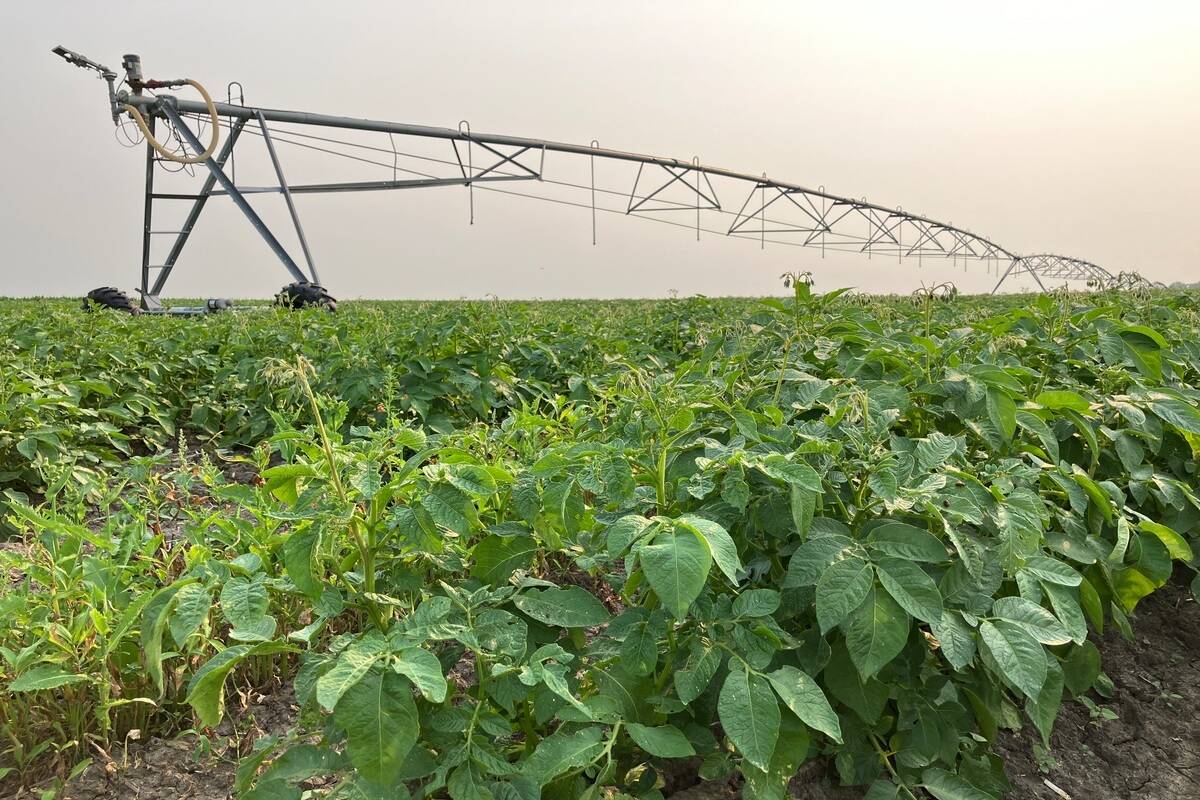
Alberta potato growers face rising costs, trade uncertainty and global competition
Alberta potato growers are navigating surging input costs, new global competitors, and an uncertain U.S. trade relationship.
Bressler has spent a decade refining a method he discovered that converts animal fats, beef tallow, seed oil, and restaurant grease into fuel. He is the scientific lead for Forge Hydrocarbons Inc., a spinoff company created to commercialize the research. It has been operating a small-scale pilot plant for years and is now in the process of creating a pre-commercial plant in Agri-Food Discovery Place on the University of Alberta’s south campus capable of producing up to 200,000 litres of fuel a year.
The technology creates “drop-in” fuels that can be put directly into a car, airplane or industrial engine. Young predicts use of this type of next-generation fuel is poised to soar, as they reduce greenhouse gases emissions by 90 per cent compared to traditional petroleum fuels. The process uses high-temperature chemistry to heat feedstock — typically animal fat or crop seed oil — to produce fatty acids and water. The fatty acids are then heated to release oxygen and create a hydrocarbon that’s processed into gasoline, natural gas, jet fuel, and diesel.
“The long story short is you go from the same fats and oils, you get rid of the carbon dioxide early, you get a higher-density energy and produce a product that’s going to be much more compatible with our hydrocarbon system,” said Bressler.
There are no guarantees yet, but it’s hoped this fuel will eventually create a revenue stream for producers who need to dispose of their animal fats.
Forge Hydrocarbons CEO Tim Haig said he’s enthused about Bressler’s work because it produces a molecule identical to petroleum.
“You have to remember that petroleum is really just agricultural residue that has been captured in the Earth’s crust for 50 million years,” he said. “David just came up with a way to skip 50 million years.”
Three levels of government, the University of Alberta, industry associates and researchers supported the project. Forge Hydrocarbons Inc. received a TEC Edmonton University of Alberta Spinoff Achievement award when it announced its launch as a company.