

If you want your family business to succeed, put the needs of the business first.
While running a farm as a business may seem impersonal, it’s better than operating on emotions or tradition, business consultant and Iowa farmer Jolene Brown told attendees at the recent Ag- Choices seminar
“There is nothing better or worse than being in a family business,” said Brown. “I would opt for the better.”
Brown’s topic was on things families do that destroy their businesses, and she said it often starts with the faulty assumption that a genetic relationship can make a good working relationship.
Read Also
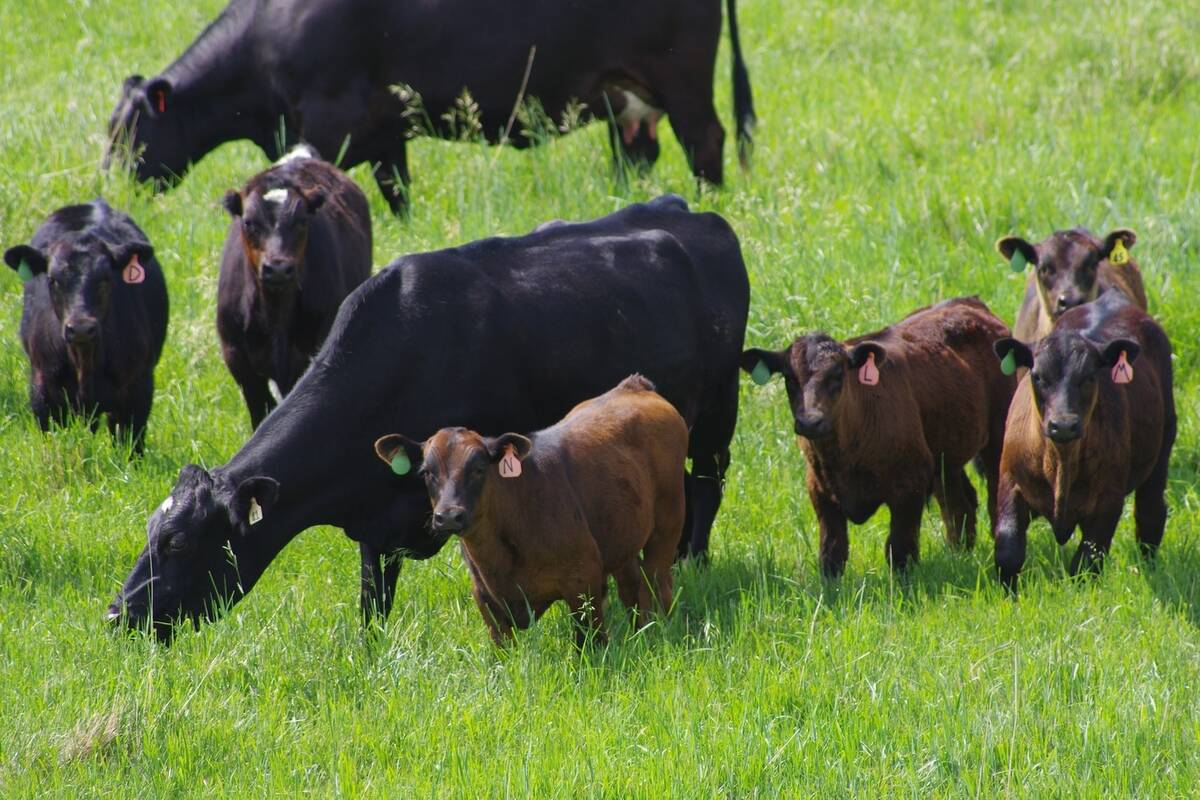
Grazing ‘sweet spot’ boosts pasture performance
Timing-focused approach to pasture management touted to boost forage growth, livestock gains while also cutting farmer labour and inputs
“Just because you were raised by someone or have the same genetic code as them, this does not mean that you can or should be working together,” Brown said.
Acceptance in a family is unconditional, but acceptance in a business is conditional and is not a birthright, she said. Brown urged her audience to re-frame their thinking about hiring children and to realize they are hiring employees.
“I want you to become a business- first family and not a family-first business,” she said.
In some cases, a business may continue but will no longer be a family business. Family-first businesses have less chance of being sustainable, she said.
“When you’re a business-first family, we treat things as a business,” she said. “We hire employees, not sons and daughters. Our leaders cannot be dictator mom and dad, but must operate as a leader.”
Start at the bottom
For Brown, that means everyone should start out as a labourer, only moving into specialized or leadership roles on merit. If the older generation wants the younger one to take over the farm business, they need to make an early move into a mentorship role, which is a seven-to 10-year process. Passing the torch also means deciding what sort of leadership is required. In some cases, the next leader should not be a family member, she said.
If the goal is to have the business continue, then other tough choices may be necessary. The enterprise may not be able to support all the family members, even if they want to come into it. The senior generation should also ensure their financial well-being first, before allowing the younger generation to come in. This isn’t just selfishness, said Brown, noting she has found senior generations who haven’t done this have the tendency to excessively micromanage the next generation.
Owners should make sure the business is financially viable before bringing a family member into it. Wages should start off fairly low, but increase over time, and any young person returning to the family farm needs to bring talents or skills back to the team and the business. Brown encouraged young people to work for at least three years for a non-family boss before they return to the family business.
One of the best ways to maintain a family business is to ensure records are transparent, accurate and timely, she said. Farm businesses should not rely on conversations but on written documents, but also encourage communication and clear understanding of guidelines and conduct. There should be annual general meeting held off site, in order to review the current state of the business and chart a course for its future.
“Family businesses are the same no matter how much you make or where you are,” said Brown. “They still seem to have the same common challenges.”
———
“Justbecauseyouwereraisedbysomeoneorhavethegeneticcodeasthem,thisdoesnotmeanthatyoucanorshouldbeworkingtogether.”
JOLENE BROWN