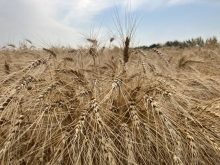
A new research project, partly funded by Alberta Wheat and its provincial cousins, aims to use naturally occurring genetic variations to boost both uptake and use of applied phosphorus and nitrogen.
“Typical crop plants only take up around 50 per cent of the phosphorus and nitrogen fertilizer applied by farmers,” said researcher Leon Kochian of the University of Saskatchewan.
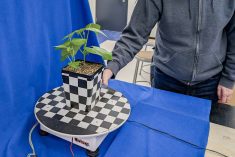
The work leverages the sequencing of 15 wheat genomes in 2020 as well as the use of gene editing “to validate genetic variants responsible for a given trait” (such as higher uptake or more efficient nutrient use).
Read Also

Alberta producers set record for environmental farm plans in 2025
Albertan farmers and ranchers completed a record number of Environmental Farm Plans in 2025.
“This information will then be shared with wheat breeders so naturally occurring variants can be integrated into new varieties using conventional breeding methods,” said a USask release.