

Alberta is proposing the most significant overhaul of its Animal Protection Act in two decades.
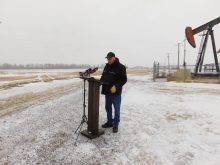
Bill 22, the Animal Protection Amendment Act, was tabled in the provincial legislature on March 30 by RJ Sigurdson, Minister of Alberta Agriculture and Irrigation. The act was last updated in 2006.
“Alberta is an agricultural province, and the protection of all our animals is vital to our communities,” Sigurdson said during a press conference. “Whether it’s livestock on a farm or pets, they deserve to receive appropriate care and be protected from distress.”
Read Also
Canada regains Colombia as malting barley buyer
Colombia bought 56,000 tonnes of Canadian malting barley in 2025 — its first major purchase in about a decade — and more Latin American demand may follow.
The bill proposes dozens of changes, from administrative updates that align the act with other Alberta and Canadian legislation to substantive new enforcement tools and a broadened legal framework for animal welfare.
WHY IT MATTERS: Alberta’s Animal Protection Act hasn’t been updated since 2006. Bill 22 proposes the most significant overhaul in two decades — expanding the legal definition of distress beyond food, water, shelter and veterinary care to include natural behaviours, raising maximum fines from just over $20,000 to $250,000, and making Alberta the first province to enforce animal welfare restriction orders from other jurisdictions. For livestock producers already meeting high standards of animal welfare, the changes formalize expectations that are largely already in practice — but they also sharpen the legal consequences for those who fall short.
Tougher penalties and cross-provincial enforcement
The new bill proposes a major increase in maximum fines for breaching the act — from just over $20,000 to $250,000 — and allows for jail sentences of up to 12 months.
If the legislation is passed, Sigurdson said Alberta will also become the first province to enforce animal welfare restriction orders issued in other jurisdictions.
“If a court in another province or territory has restricted or prohibited an individual from owning or living with animals, we’ll be able to enforce that order right here in our province. The change will ensure people won’t be able to evade these orders and potentially re-offend right here in our province,” he said. “We are the first province to take this step, and I hope our leadership can inspire other jurisdictions to follow suit.”
“It was clear to us that if offenders were offending in other provinces, that those enforcement orders should be enforced here in the province of Alberta. We’re taking this as an opportunity to lead the country in this area to make sure repeat offenders can’t just move province to province and continue to offend,” Sigurdson continued.
Expanded definition of distress
The concept of distress has been broadened significantly under the proposed amendments.
“I guess currently the concept of distress is limited to food, water, shelter and veterinary care, but we all know animals have other needs that should be met, like the ability to move around naturally and the ability to be in a safe environment,” said Leanne Niblock, executive director of the Alberta Society for the Prevention of Cruelty to Animals.
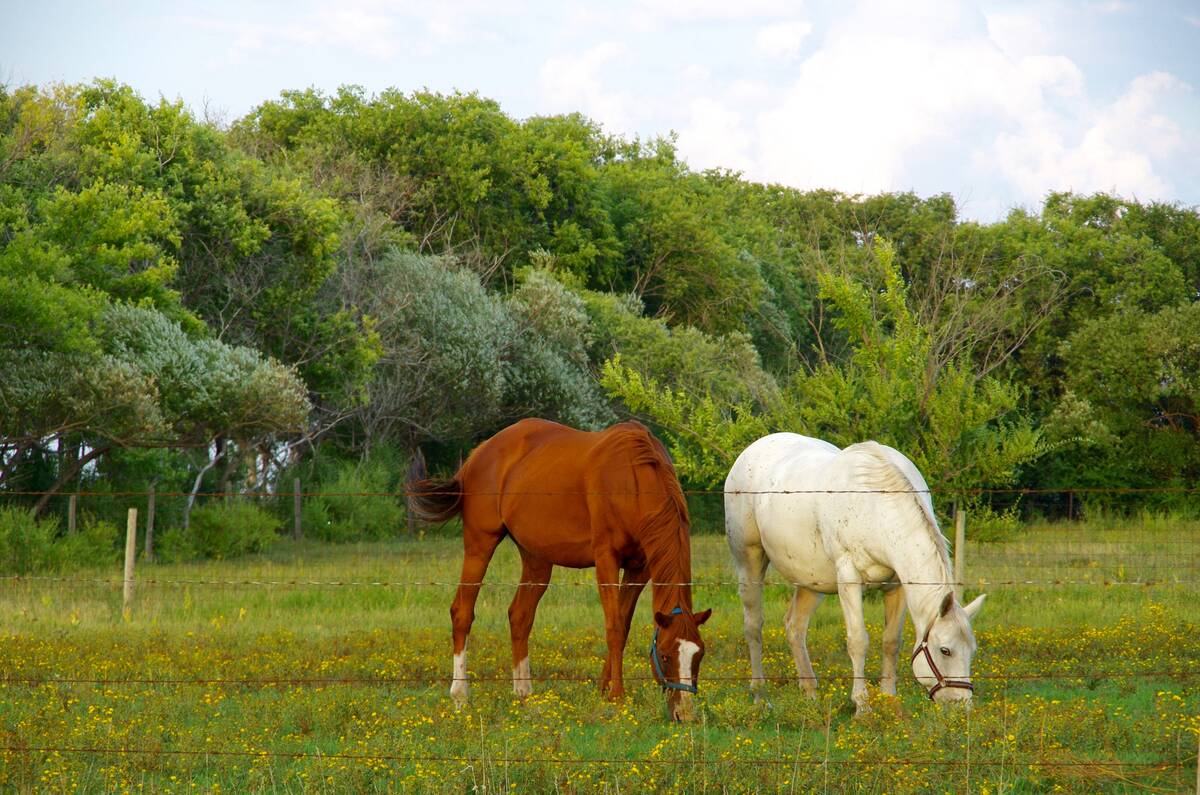
The new proposed legislation will cover unsanitary and unsafe conditions and circumstances that lead to distressed animal behaviour, such as leaving a horse alone in a box stall when it is displaying anxious behaviour such as pacing.
The definition of distress will be broadened to include opportunities for exercise and the expression of natural behaviours, said Niblock. This is fundamental to good animal welfare, and the inclusion of this expanded definition is vital.
Amendments will prohibit causing or allowing an animal to remain in distress and set out duties for animal owners and caregivers.
Modernized inspection powers
As the animal protection framework becomes more robust, peace officers need the right tools to relieve distress and resolve issues effectively and efficiently, Sigurdson explained.
The proposed changes will give peace officers the power to intervene or remove animals from harmful situations. The government is also planning to modernize inspection authorities and expand them to include businesses serving the public, such as boarding and grooming facilities.
“Oversight mechanisms and safeguards are in place to ensure peace officers’ actions are lawful and appropriate, and any concerns about the actions or conducts of a peace officer can be formally reviewed through existing processes,” Sigurdson said.
Framework built through consultation
The proposed changes were developed through consultation with animal protection agencies, government groups, livestock industry groups, veterinarians, Indigenous groups and municipalities in May and June 2025.
Megan Bergman, registrar for the Alberta Veterinary Medical Association, said having a framework that keeps pace with the realities of veterinarians, technologists and animal welfare partners will ensure animals receive appropriate and timely care, particularly in challenging situations.
The changes will close gaps in responding to animals in distress, strengthen enforcement tools and provide appropriate flexibility for veterinary professionals.
Ineffective legislation leaves animals in distress, said the Alberta SPCA’s Niblock.
“Our vision is that every animal is treated humanely, and we can’t do this without strong laws empowering us. Seeing meaningful revisions made to the Animal Protection Act has been one of our organization’s top priorities,” she said.
“Modernized legislation and strong enforcement will position our province as a leader in animal welfare,” she said.
“Our enforcement team stands ready to implement these changes and build on this progress to keep animals safe in Alberta.”
Niblock expects to get more calls as people become more knowledgeable about the act and understand the expanded definition of distress.
Those who are concerned about an animal welfare case can contact the distress line at 1-800-455-9003 or the Alberta SPCA.