Abu Dhabi/Reuters – The Agriculture Ministry of Egypt, the world’s largest wheat importer, said on Friday it would continue to send experts to inspect government wheat purchases at ports of origin.
Sources had told Reuters on Thursday that the agricultural quarantine authority was considering halting inspections abroad.
“The central administration of the agriculture quarantine will continue to send inspectors and experts to inspect imported wheat cargoes,” a statement by the ministry said.
The ministry also said it had agreed with the United Nations Food and Agriculture Organization (FAO) to urgently send an FAO expert to discuss the ergot fungus with those concerned.
Read Also
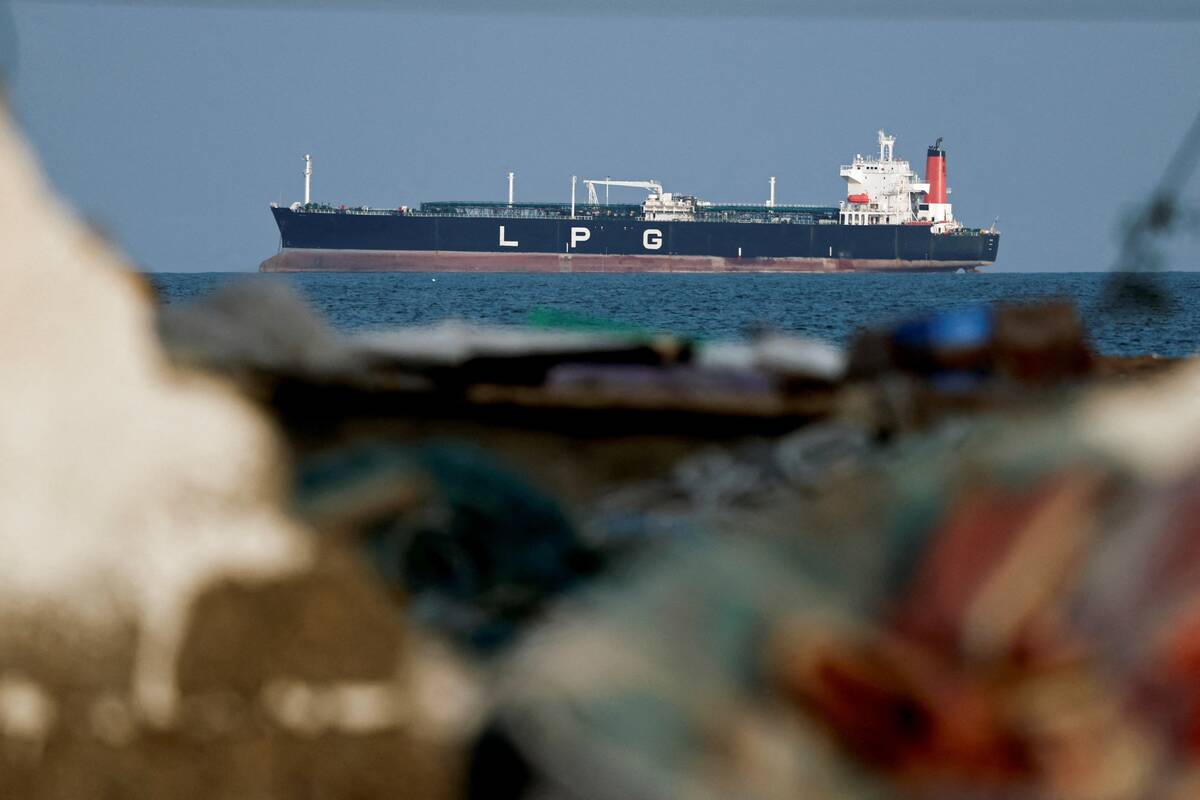
War is increasing food prices, insecurity say IMF, World Bank and UN food agency
The World Bank, International Monetary Fund and the U.N. World Food Programme warn that sharp increases in oil, natural gas and fertilizer prices triggered by the war in the Middle East will cause rising food prices and food insecurity.
It did not elaborate on the role of the FAO expert.
A dispute over permitted levels of the ergot fungus in imported wheat has alarmed global suppliers and disrupted Egypt’s wheat import programme.
Egypt’s quarantine authority has rejected a series of wheat shipments over traces of the common grain fungus, causing many suppliers to shun international purchase tenders by state grain buyer GASC.
Egypt normally sends inspectors abroad to clear wheat that its government has purchased ahead of shipment.
A cancellation of this process would have increased the risk of selling wheat to Egypt, according to traders, for fear of shipments being rejected upon arrival because of ergot.
The quarantine authority has applied a zero-tolerance policy towards ergot since its head, Saad Moussa, was appointed last summer even though the supply and agriculture ministries have said they accept trace levels of up to 0.05 percent, a standard permissible elsewhere in the world.
Quarantine officials are using a 2001 regulation, seen by Reuters, stipulating a zero-tolerance policy towards ergot as their main guide. They have ignored Egyptian wheat specifications issued in 2010 which GASC uses and which the agriculture minister has said are acceptable.