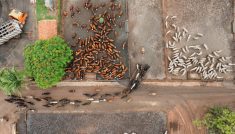


Sao Paulo | Reuters — The Brazilian government reported on Friday a case of atypical bovine spongiform encephalopathy (BSE) in an animal in Mato Grosso state, according to a statement from the country’s agriculture ministry.
The ministry said the case of BSE, also known as mad cow disease, was detected in a 17-year-old cow. It said it collected the necessary material for tests and incinerated all other parts of the cow.
“No part of the animal entered the food chain, there are no risks for the population,” the statement said.
Read Also
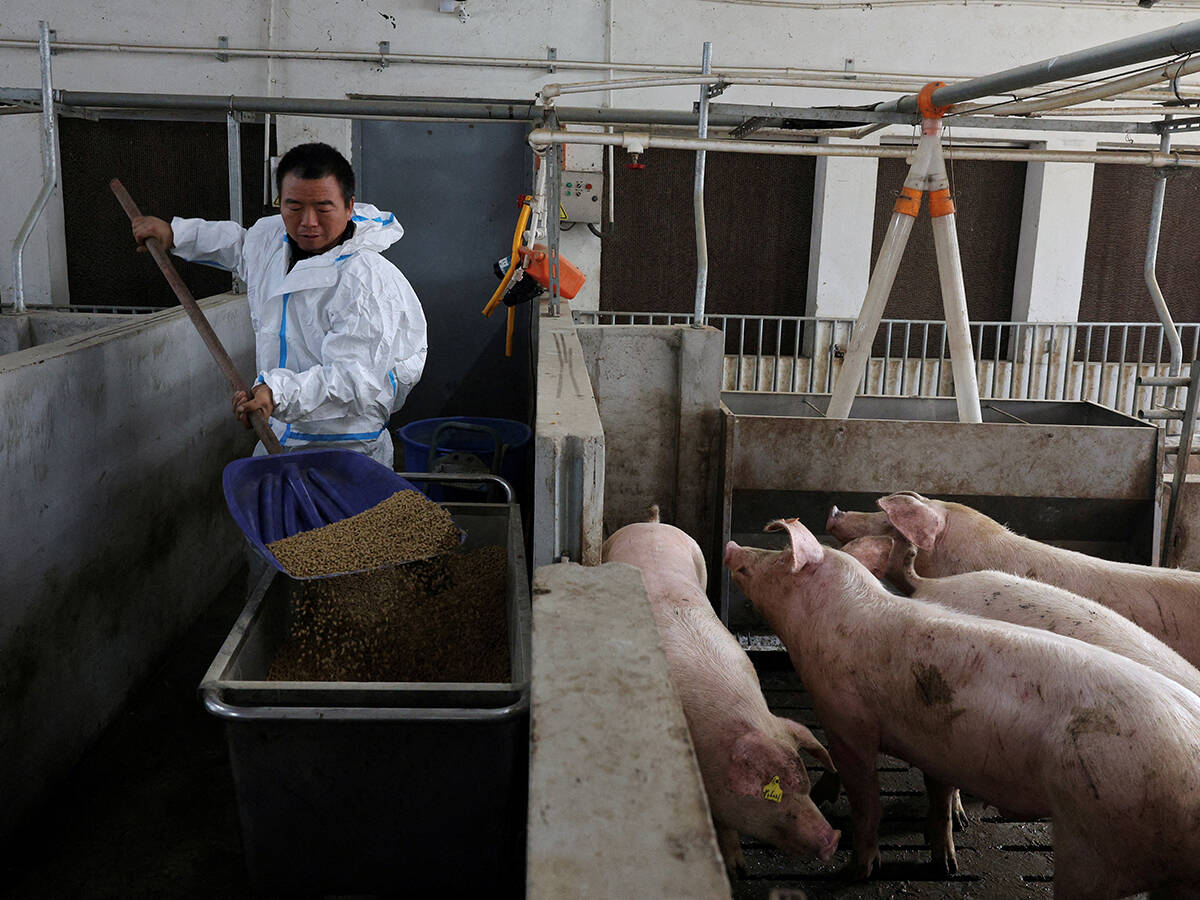
China’s Q1 pork output up 4.2 per cent from a year earlier, lags expectations
China’s pork production rose 4.2 per cent in the first quarter of 2026 from a year earlier as hog producers accelerated slaughtering to address a supply glut.
The case was considered “atypical” as the animal contracted the BSE protein spontaneously, rather than through the feed supply. “Classical” BSE cases are caused when cattle are fed brain or spinal tissue of other ruminants, which is now forbidden in nearly all beef-producing countries including Brazil and Canada.
In 2012 in Brazil tests showed that a cow that had died two years earlier in Parana state had developed prions — the proteins that cause BSE — though the animal never developed the disease and died of natural causes.
The World Organization for Animal Health (OIE) maintained Brazil’s status as a country with “negligible risk” of BSE at that time, after it confirmed the atypical Parana case.
Even so, several countries including South Korea, China and Egypt banned some or all beef imports from Brazil, the world’s top exporter. That trade was later reopened.
Brazil’s agriculture ministry said it had informed all importers on Friday about the case, as well as the OIE.
The OIE on Thursday announced two new BSE certifications, recognizing Serbia as a “negligible risk” country and Ecuador as having “controlled risk” status, the same as Canada’s.
— Reporting for Reuters by Roberto Samora and Marcelo Teixeira. Includes files from Glacier FarmMedia Network staff.