CNS Canada — Farmers are starting to assess how much fertilizer they’ll use going into the fall, if at all, based on crop budgets, according to an industry analyst.
Fertilizer prices are being driven by crop prices and the global market, and both those factors are keeping prices steady, said David Asbridge, president at NPK Fertilizer Advisory Service.
“Farmers are going to have to look and decide if they can afford their fertilizers this year, how much they want to buy, how much they want to apply this fall, and anticipation of what they’re going to plant next spring,” he said.
Read Also
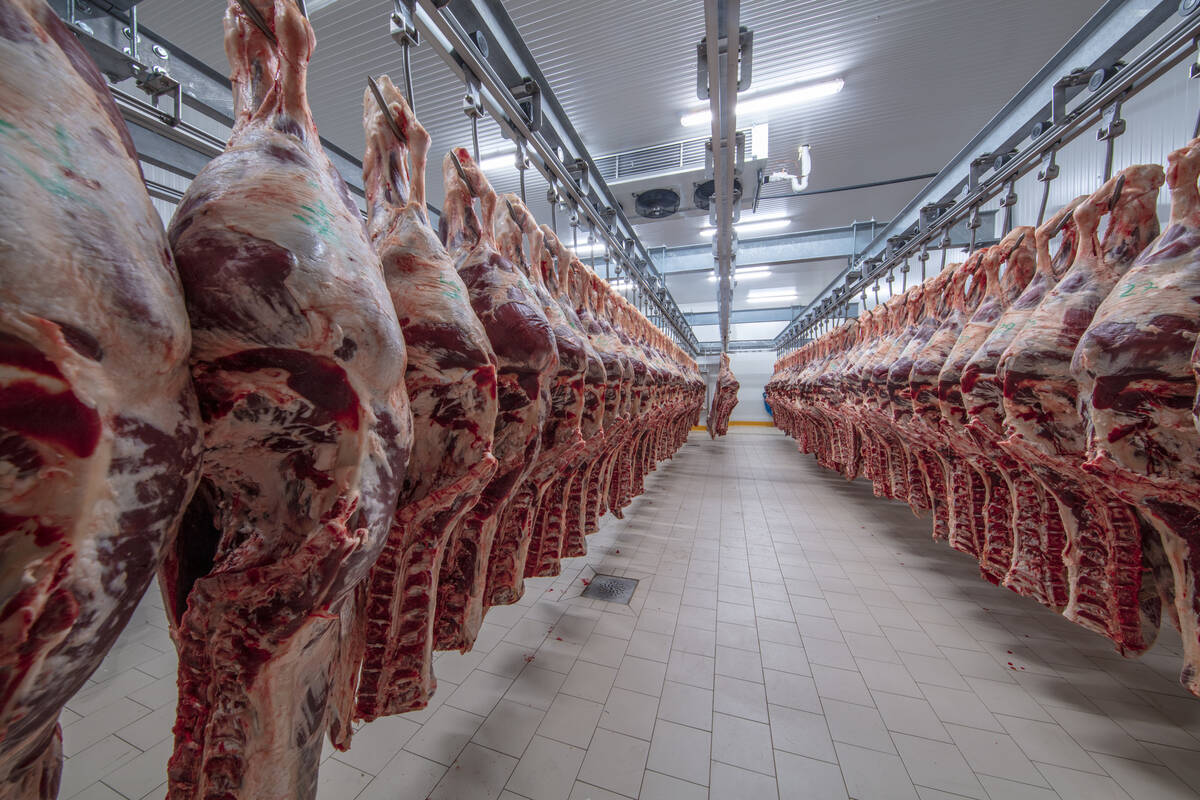
JBS reaches deal with U.S. meatpacking workers who went on strike
JBS employees ratified a two-year labor agreement with the meatpacker after a three-week strike disrupted operations at a massive beef processing plant in Greeley, Colorado.
Canadian and U.S. fertilizer prices are tracked together based on local conditions, he said.
Indications of crop improvement and a good-sized wheat harvest will likely increase fertilizer use in Canada, despite lower wheat prices, he said.
But if crop prices continue to fall, crop budgets tighten, which leads to less fertilizer use.
Globally, Asbridge said, market watchers are keeping an eye on China and Brazil, but he doesn’t anticipate the market will make any dramatic swings soon.
China has been exporting a lot of urea, which has kept a cap on that market. If prices sink lower China may stop exporting which would strengthen prices.
Brazilian traders have been holding off on buying potash and phosphate due to a fall in the value of the real.
Moving into the fall, Asbridge said he doesn’t see much on the horizon to move fertilizer prices higher. Traders are watching imports into the U.S. and the weather as driving factors for the market.
“If the new corn crop turns out to be big, or if we have any type of issues with weather getting the crop out that limits the time that farmers have to put fertilizer down this fall.”
— Jade Markus writes for Commodity News Service Canada, a Winnipeg company specializing in grain and commodity market reporting.