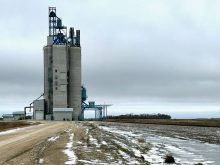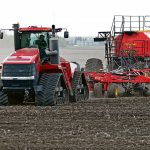


Glacier FarmMedia MarketsFarm – Spring planting in Manitoba registered at three per cent complete in the provincial agriculture department’s first crop report of 2025. Manitoba Agriculture released the report on April 29, noting planting progress was two points ahead of the five-year average.
The department said there have been small amounts of peas, spring wheat and oats primarily seeded in the central, eastern and Interlake regions of the province. Meanwhile, no oilseed crops have been planted to date.
Planting projections
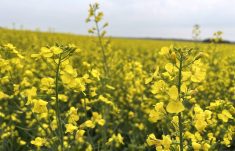
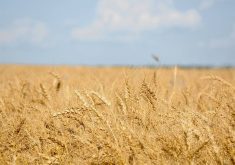
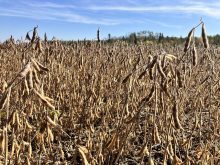
Statistics Canada forecast Manitoba farmers to seed 3.22 million acres of spring wheat this year, up from 3.18 million in 2024. Planted canola acres were projected at 3.12 million, down from last year’s 3.34 million. Soybean acres are to expand to 1.63 million this year from 1.43 million in 2024.
Read Also
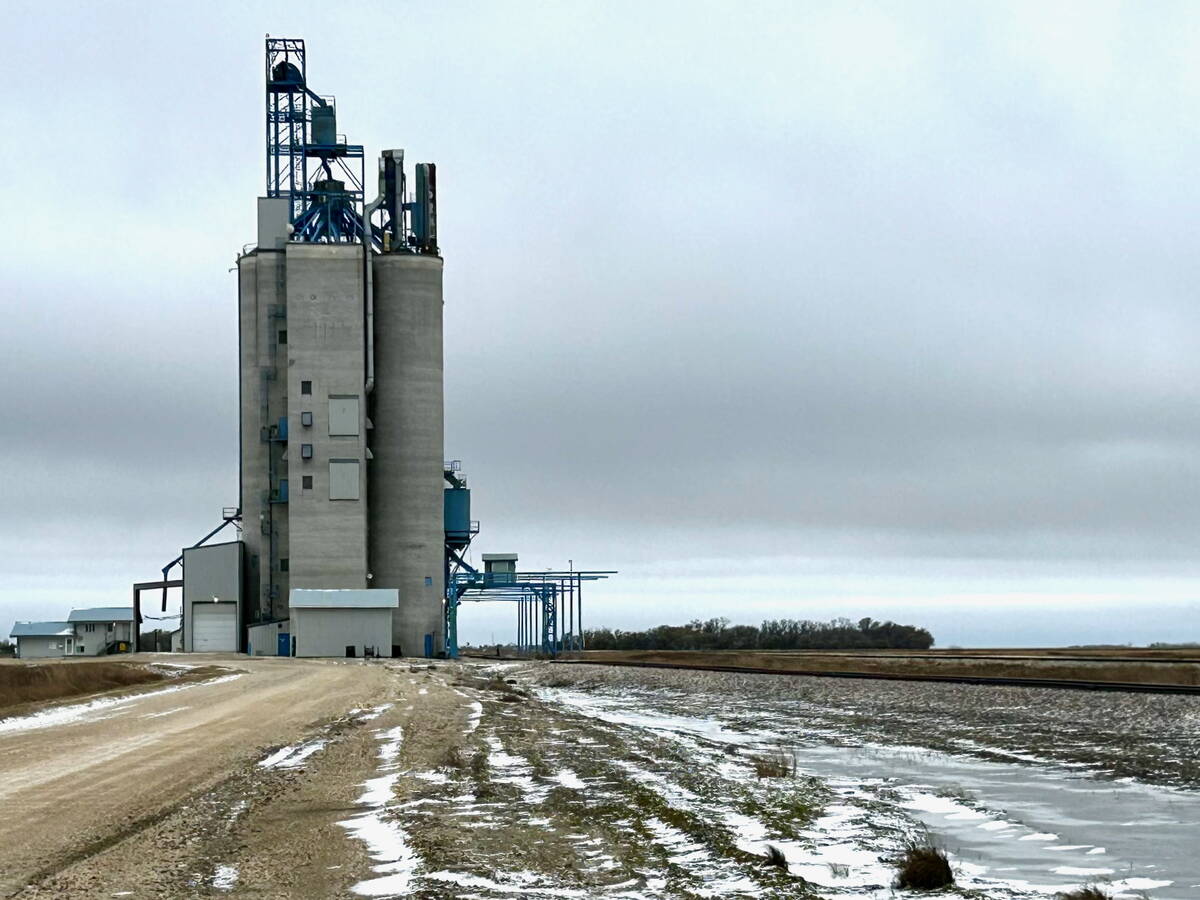
AAFC projects tighter canola stocks for 2026-27
Canadian canola carryout supplies at the end of the upcoming 2026-27 marketing year will be tighter than earlier projections, according to updated supply and demand estimates from Agriculture and Agri-Food Canada, released April 17.
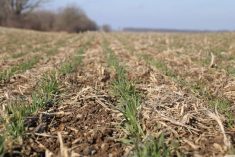
The report noted Manitoba’s winter wheat and fall rye survived the winter in good condition. However, a better assessment for winterkill will be made after the first stretch of warm weather.
Moisture conditions
As for soil moisture, Manitoba Ag reported good conditions in the province’s northwest and Interlake. There are concerns about low levels in the eastern and southern regions.
While numerous areas of the province received little to no rain over the last week, an area from Findlay to Reston in the southwest had up to 44 millimeters.
The amount of spring run-off depended on the region, with the central and southwest seeing minimal to average flows. Numerous fields in the northwest and the Interlake were saturated.
Most of the province’s cattle remained in their winter-feeding areas as there has been limited forage growth on pastures and hayfields. The report said there are still adequate supplies of hay.