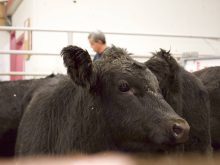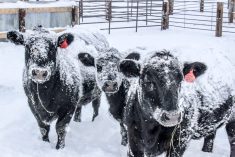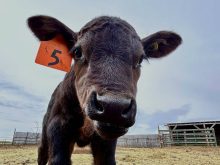

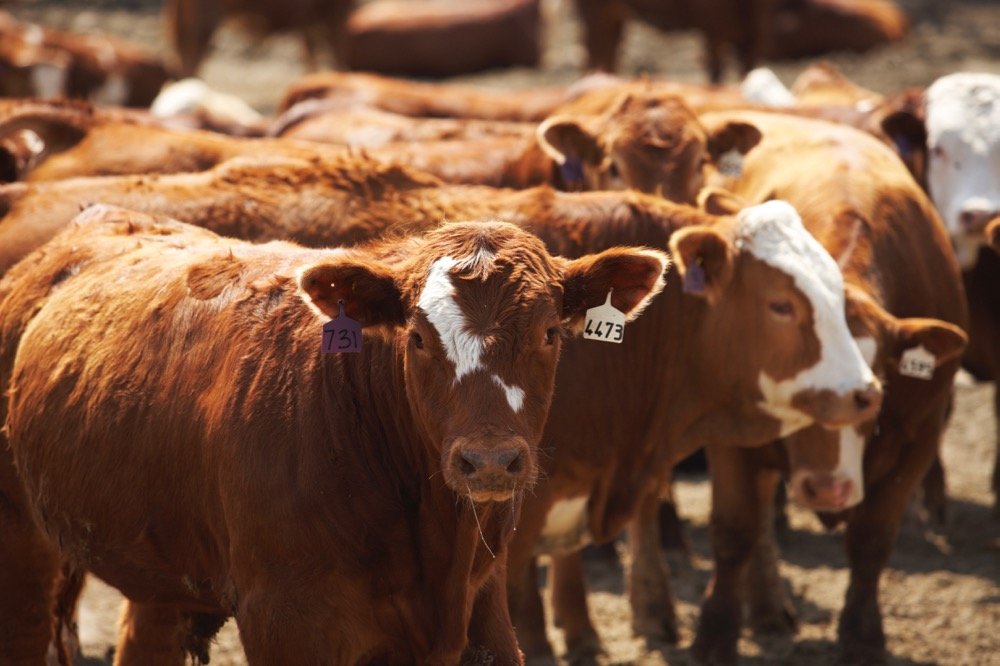
Compared to last week, quality yearling packages were $2-$5 higher while calf values were unchanged to $2 higher. A surge in buying interest surfaced for yearlings last week as fed cattle prices continue to trade near 52-week highs. Alberta packers were buying fed cattle in the range of $162-$165 delivered and breakeven pen closeouts are around $156.
Psychologically, rains across the Prairies were a positive factor which supported the overall feeder complex; however, demand for grassers was sluggish. Major feedlot operators set the price structure for calves. Lighter-weight feeders are headed for the feedlot rather than pasture. It takes more than one rain to rejuvenate forage and hay crops. Feed barley continues to trade near historical highs and no amount of rain will alter old crop fundamentals. In drier areas, ranchers may be selling 700- to 800-lb. feeders sooner than normal rather than waiting to put on another 100 lbs. for the August yearling market. Backgrounded cattle are quite fleshy at this time of year so discounts were quite severe.
Read Also
Expana cuts EU wheat, barley export outlook due to Middle East war
Consultancy Expana lowered its forecast for European Union soft wheat exports in the 2025/26 season for a fifth consecutive month after reducing projected wheat and barley shipments to the Middle East due to the war in the region, it said on Thursday.
In southern Alberta, larger-frame 970-lb. Angus-based steers with medium flesh were valued at $179 delivered; in central Alberta, Simmental-blended lower-flesh steers weighing a shade under 900 lbs. on full health program and light grain ration were quoted at $183. Similar-quality heifers weighing 775 lbs. were quoted at $186. These cattle can be put on full feed ration rather quickly and that’s why they’re hot. Auction markets volumes were limited in Saskatchewan and Manitoba; therefore, the scarcity principle is also coming into play. Western Canadian yearling prices are at a $4-$6 premium over U.S. major markets. It appears the domestic market is rationing demand through higher prices.
Small groups of steer calves weighing 500-525 lbs. were quoted in the range of $224-$230 in central Saskatchewan; however, these same cattle were about $6-$8 higher in Alberta, given favourable moisture early in the week. Northwest of Calgary, a group of Hereford-based steers weighing 600 lbs. were quoted at $225; Charolais steers averaging 510 lbs. were quoted at $238 and similar-quality and -weight heifers were valued at $210.
Wholesale beef prices are skyrocketing with most U.S. states reopening their economies. On May 13, the U.S. Centers for Disease Control and Prevention said vaccinated Americans don’t need to wear masks or social-distance outdoors, nor in most indoor settings. This has encouraged more people to travel, eat out or shop.
— Jerry Klassen manages the Canadian office of Swiss-based grain trader GAP SA Grains and Produits Ltd. and is president and founder of Resilient Capital, specializing in proprietary commodity futures trading and market analysis. Jerry consults with feedlots on risk management and writes a weekly cattle market commentary. He can be reached at 204-504-8339 or via his website at ResilCapital.com.