
Glacier FarmMedia — There was some relief for crops in Saskatchewan following sporadic showers. The provincial agriculture department said farmers are hoping for more rain to aid head and pod filling, but the weekly crop report for the week ended July 28 noted that more moisture wouldn’t help the yields for more advanced crops.
Richmound in the southwestern corner of Saskatchewan received the most rain at 62 millimetres, while several other locations throughout the province had between 35 and 50 mm.
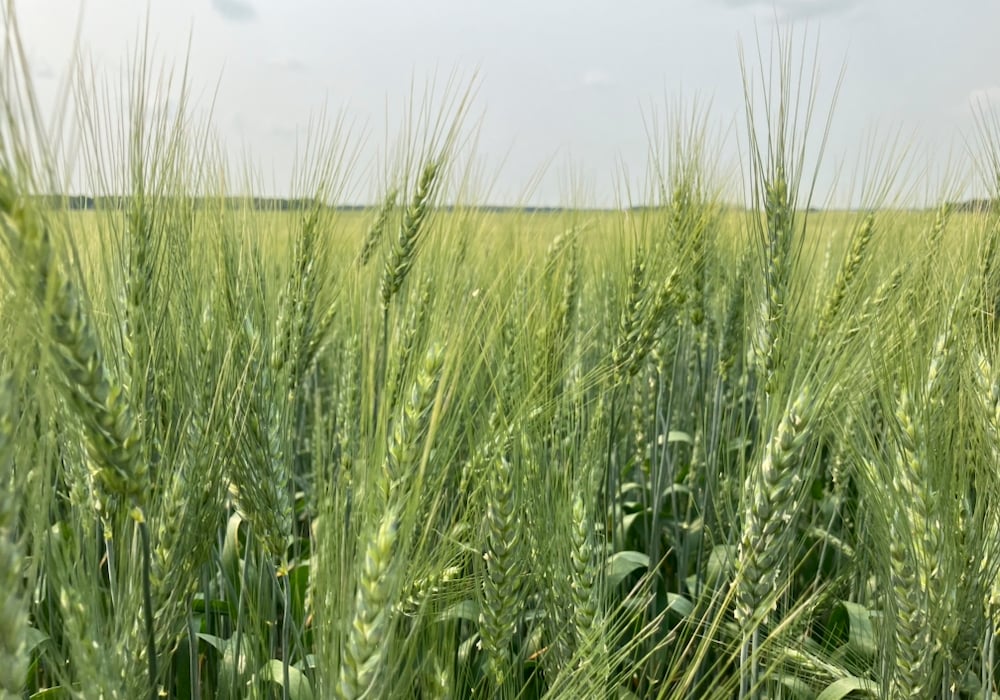
The ag department rated the province’s winter wheat at 55 per cent good to excellent and the fall rye at 66 per cent. For the spring cereals, the oats and spring wheat were pegged at 68 per cent good to excellent, with the barley at 65 per cent and the durum at 55 per cent.
Read Also

U.S. finalizes biofuel blending quotas for 2026-27, cuts RINS for foreign feedstocks
The Trump administration on Friday finalized new biofuel blending volumes mandates for the U.S. oil refiners, requiring more of the fuels made from corn and other agricultural products than initially proposed,in an apparent win for U.S. farmers.
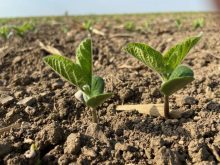
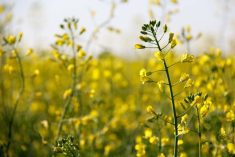
Among Saskatchewan’s oilseeds, the soybeans rated 92 per cent good to excellent, followed by the flax at 75 per cent, the canola at 68 per cent and the mustard at 54 per cent.
For the pulses, field peas and lentils were placed at 75 per cent good to excellent and the chickpeas at 67 per cent.
In terms of soil moisture levels, the topsoil provincewide rated 65 per cent adequate, 28 per cent short and seven per cent very short. For hayland it was 55 per cent adequate, 36 per cent short and nine per cent very short. As for pastures, they were 55 per cent adequate, 32 per cent short and 13 per cent very short.
The report said the first cut of hay was winding up with 68 per cent either baled or for silage, rating at 64 per cent good to excellent. A second cut was deemed to be unlikely unless there was sufficient rainfall.
Heat, dryness, gophers, grasshoppers, flea beetles and aphids were among the sources of crop damage.