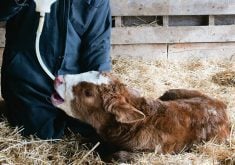

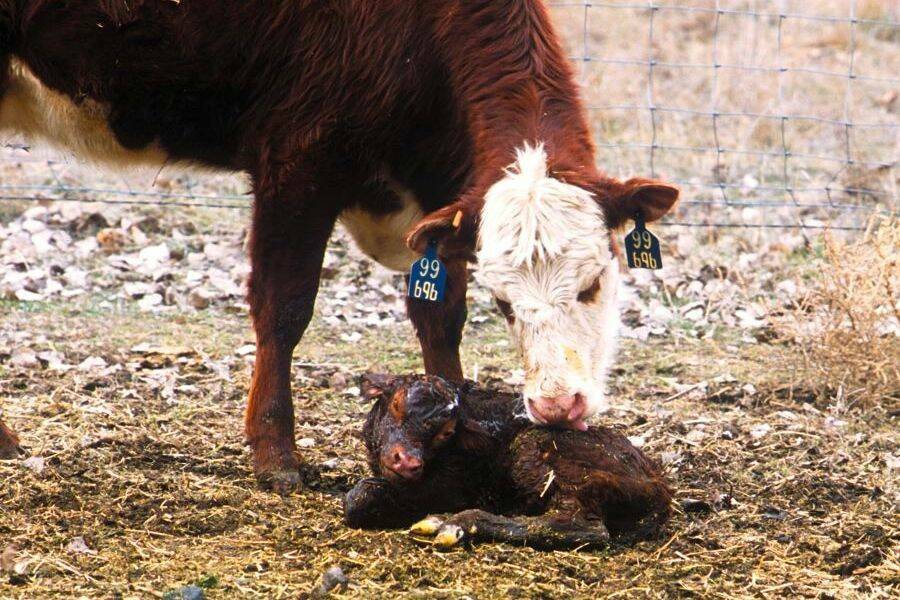
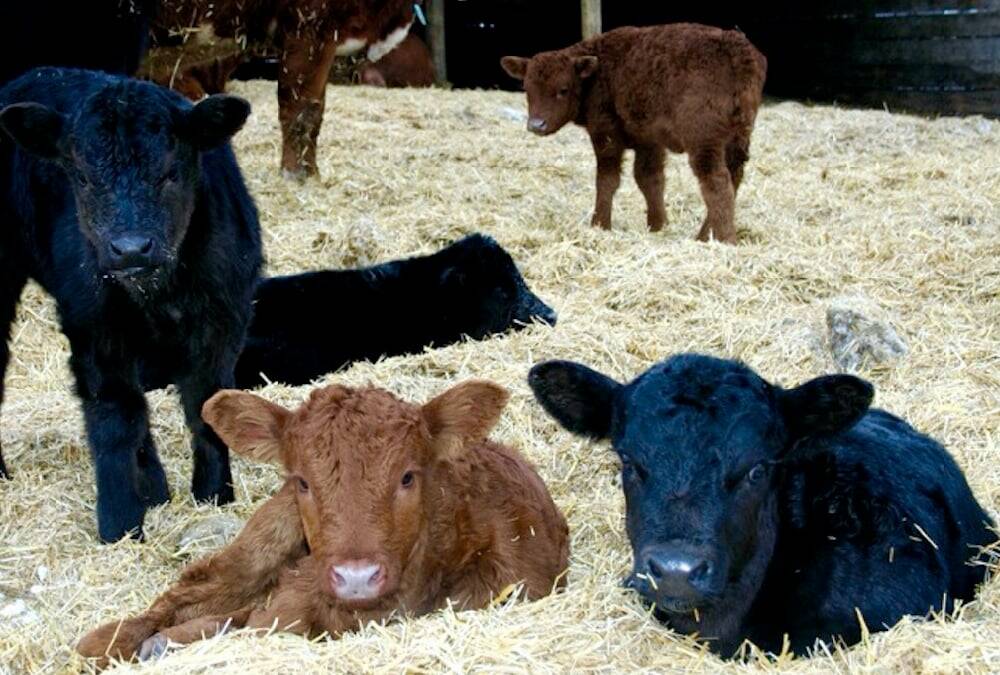
While calving season can test anyone’s fortitude, winter and early spring calving has its own unique set of challenges. Calving in confined spaces, such as barns, feedlots or winter pastures, can increase disease pressure amongst calves. Most commonly, this presents as scours in newborn calves.
Pathogens that cause scours are most frequently passed on from one calf to the other via fecal to oral transmission (manure to mouth). In confinement calving systems there is a high environmental load of these pathogens from the amount of manure in a relatively small area. In barns or calving sheds, where pairs are moved out and pregnant cows are then moved in, there can be a buildup of manure that contributes to disease pressure.
Read Also

Alberta farmers cut fertilizer costs by turning to compost
Alberta producers say compost is reducing their dependence on synthetic fertilizer while improving soil resilience.
Understanding the pathogens responsible for causing scours as well as the underlying management factors that are contributing to disease spread are useful in treatment and prevention of calf scours on your farm. Some management factors can’t be changed, and prevention will rely heavily on pharmaceutical intervention, while in other cases modifying cow-calf pair movement or calving groups can significantly reduce infections. This will require laboratory testing, performing necropsies and taking samples from dead calves and/or fecal samples from affected live calves.
Rotavirus and coronavirus
Rotavirus is one of the most common causes of diarrhea in calves, especially in calves younger than three weeks of age. The incubation period is only 24 hours after ingestion, and uncomplicated cases can resolve in two days. Coronavirus similarly infects calves younger than three weeks of age. As both are viruses, there is no specific treatment available to stop the infection beyond supportive care and rehydration.
- Prevention includes: cleanliness of calving area, reducing environmental contamination in pens/pasture in the month following calving, vaccination of cows, and/or oral antibody products at birth.
Escherichia coli
There are many kinds of E. coli, some of which are a normal part of the intestinal microflora and don’t cause disease. However, there are several specific types of E. coli that can cause significant scours and illness. Some types of E. coli can also cause systemic disease involving the kidneys and liver. In beef calves, pathogenic (disease-causing) E. coli has been found to be a common cause of diarrhea, especially in the first four days of life. The biggest risk of infection occurs in the first or second day of life.
- Prevention includes: cleanliness of calving area, vaccination of cows and/or oral antibody products at birth.
Salmonella
There are several types of salmonella that cause disease in calves. Calves less than a month of age are more commonly affected, but salmonella can cause disease in older calves and even adult cows. In addition to scours, salmonella can cause systemic illness, and often calves present with depression and inappetence before the onset of scours. Some calves can die of severe acute salmonella infections before they even show signs of illness.
- Prevention includes: cleanliness of calving area and reducing environmental contamination in pens/pasture in the first months of life.
Clostridium perfringens
Clostridium perfringens type C is a bacterium that causes acute and severe scours, typically affecting calves younger than 10 days of age. Interestingly, Clostridium perfringens type C infections have been associated with events that cause calves to miss meals and then overconsume milk.
- Prevention includes: cleanliness of calf environment, vaccination of cows prior to calving, and management practices that minimize normal frequent feeding sessions for calves.
Cryptosporidium parvum
While the infamous “crypto” is a common cause of diarrhea in dairy calves and vet students newly introduced to working with calves, it less commonly infects beef calves. A zoonotic disease, it can infect both calves and humans, although most producers with a healthy immune system have developed a strong defence against it. Cryptosporidium is neither a bacterium nor virus, but a protozoa with a complicated life cycle involving several stages (think of a tadpole turning into a frog, with more steps). Oocytes, the infective egg stage, can be shed as early as three days of age but usually peaks at two weeks of age, which is important to know when managing calving groups to limit the spread of infection.
- Prevention includes: cleanliness of calving area, reducing environmental contamination in pens/pasture in the month following birth, and administering halofuginone to newborn calves.
In all cases of scours, the most important treatment involves electrolyte therapy, oral or intravenous. Fluid therapy prevents severe dehydration and corrects acidosis, which are ultimately responsible for killing calves in most cases. Many cases of calf scours can be mixed infections, with viral, bacterial and/or cryptosporidium involvement.
It can be difficult to determine which pathogens are present in individual calves without laboratory diagnostics. The colour, consistency or the presence of blood in scours isn’t a reliable way to identify the primary pathogen. Even within the same herd, the pathogens present in mixed infections can vary calf to calf. Likewise, the stage and severity of infection can have an impact on intestinal health and absorption, changing the appearance of the scours.
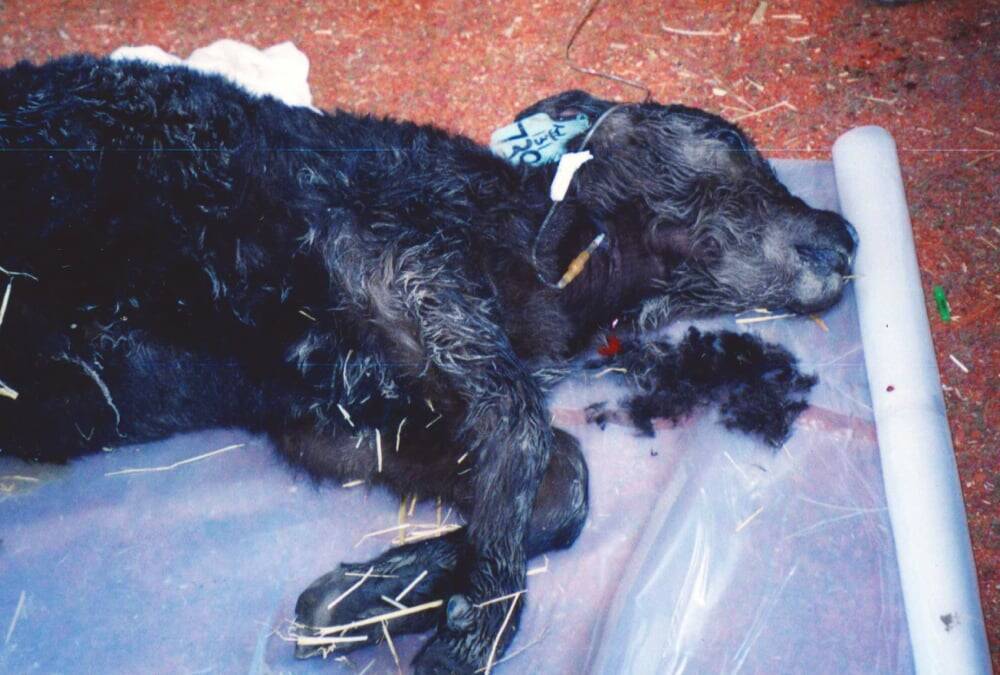
Samples from several calves, not just one, are needed to understand which pathogens are consistently an issue in your herd. This allows your veterinarian to establish more effective health and management protocols.
In severe cases of scours or signs of systemic illness an antimicrobial is warranted to protect against bacterial infections like E. coli or salmonella. Milder cases may only need supportive care and fluid therapy for effective treatment. Work with your veterinarian ahead of calving season to establish a calf scours treatment and prevention protocol.
Dr. Lexie Reed is a food animal veterinarian at Sunny South Veterinary Services in Lethbridge, Alta.