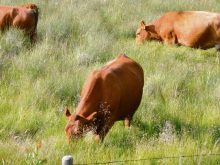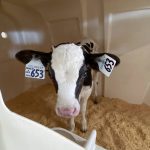


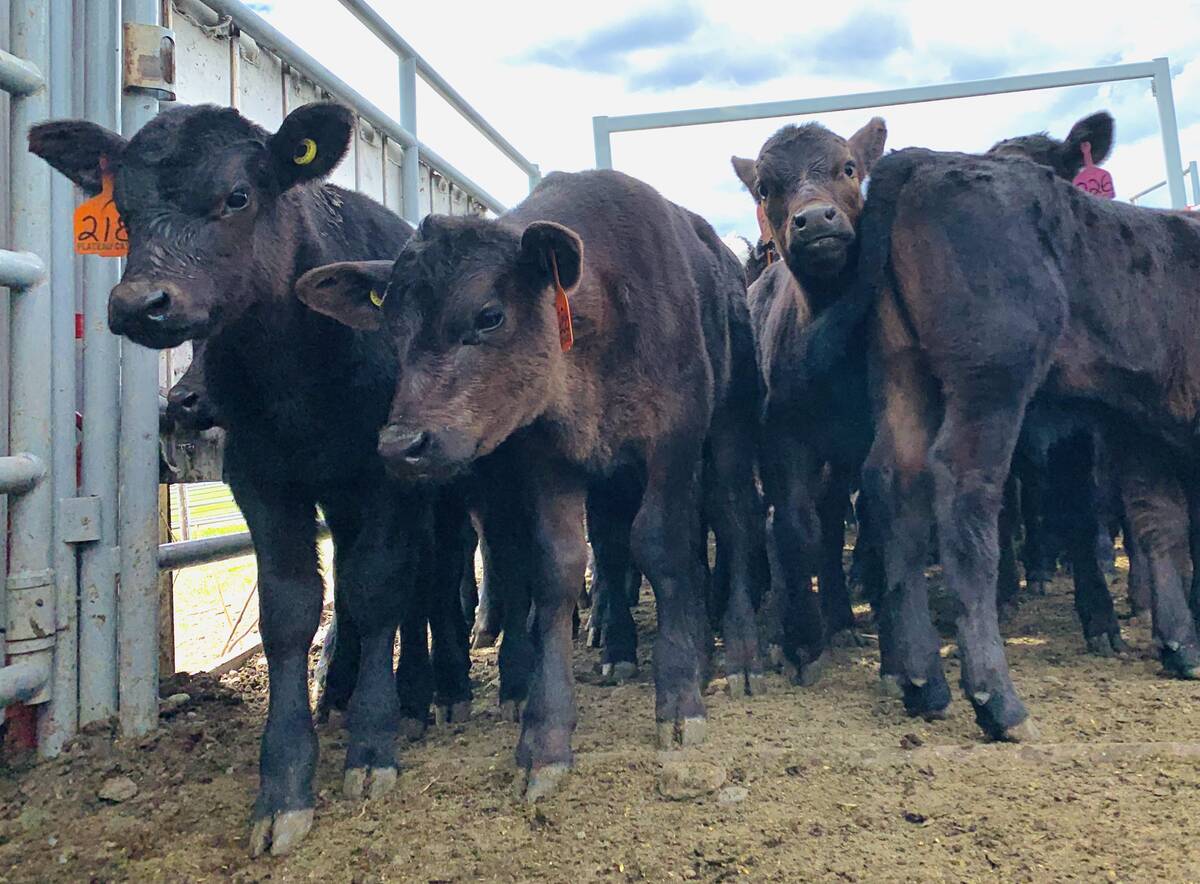
Reducing stress on calves as much as possible during the first seven months of their lives is a key part in the philosophy of how Plateau Cattle Company raises cattle.
WHY IT MATTERS: A healthier and happier calf almost always leads to better performance.
But this third-generation southern Alberta ranching operation says applying “care and compassion” protocols also translates into improved rates of gain, higher weaning and marketing weights, and often a higher-quality beef product that can be worth more in the marketplace.
Read Also
Don’t let winter deplete your cows vital vitamin A reserves
Boost your calving season success: prevent weak calves and maintain gestating cow health by fortifying winter beef diets with vitamin A.
“We are always interested in trying new practices and procedures that are based in science and show positive research results,” says Laura Laing, who, along with husband John Smith, owns and operates the commercial cow-calf operation west of Nanton, Alta.
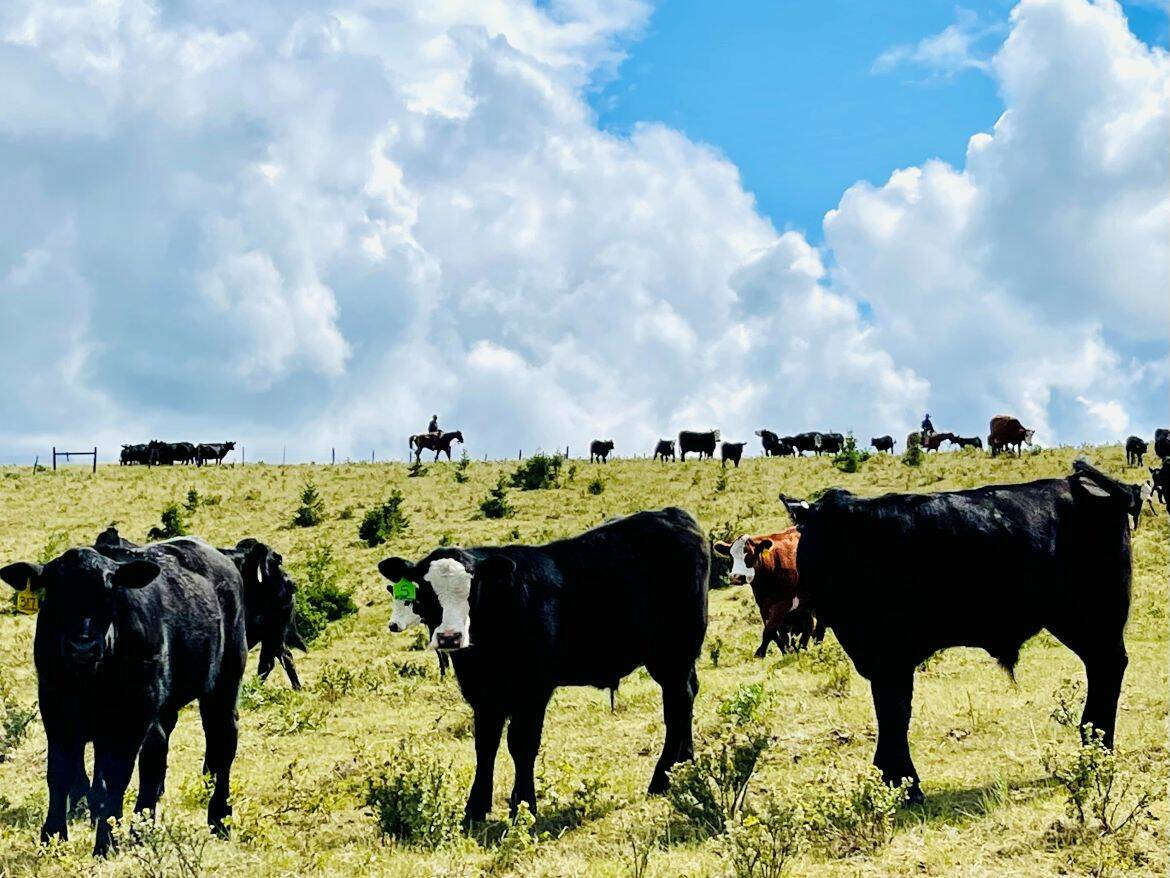
“Testing new ideas does take time, but it is also interesting to see what works as well as what doesn’t work. First and foremost, those care and compassion protocols are at the heart of our ranching operation,” she continues.
“We both believe that low-stress production and handling techniques contribute to healthier animals — and it is also the right thing to do. And we are seeing that those measures lead to overall healthier calves that perform better.”
Getting calves off to a healthy, reduced-stress start is key to having a calf that is going to show impressive average daily gains on its mother’s milk and native pasture over the coming grazing season, says Laing.
Later calving season
Laing and Smith have implemented several operational changes since taking over the ranch from Smith’s parents in 2016.
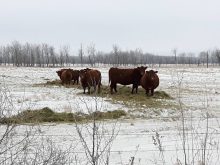
One of the first significant changes implemented was the decision to move the calving season from February to April. This adjustment was made with the aim of better aligning calving with Mother Nature and, in turn, reducing stress on both cows and calves. By concentrating the calving period, Plateau maintains a focused breeding season, resulting in the majority of their 450-head cow herd calving between early April and the end of May.
To support herd management and genetic improvement, the ranch conducts DNA testing throughout the herd and on bulls prior to purchase. Comprehensive breeding records are meticulously maintained through HerdTrax, an integrated online cattle record management software, allowing for the careful selection of breeding stock.
A key selection criterion is the use of Black Angus bulls that carry the TT Leptin gene, known for calving ease and higher gains from lower inputs. Laing says this approach helps ensure calving success and their ability to strive for a beef animal that finishes faster with high performance gains and grading for their buyers.
“Calving on pasture in April is more in line with natural calving cycles. It is not always ideal weather in April either, but we are more likely to have spring conditions than the February cold and snow. Being wet is more of a concern than snow,” she says.
“For the most part weather during calving in April and May has been favourable, and you are assured more daylight hours of sunlight.”
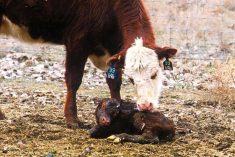
Although there are few cases of calving difficulty, the cow herd is monitored during the calving season, and individuals can be brought to nearby maternity pens for calving if needed. As cows calve, the calves are processed in the field. While Plateau prefers to use horses for most livestock handling operations, Smith has outfitted a side-by-side utility vehicle with supplies needed, including a weigh scale for processing newborn calves.
Newborn processing
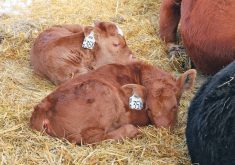
Processing day-old calves includes applying an RFID tag along with a dangle tag carrying the Plateau Cattle Company name and number corresponding to the mother’s tag number. Lidocaine-infused castration bands are applied to bull calves, and all calves are weighed. A DNA sample — a small tissue sample snipped from the ear — is also collected.
Plateau maintains detailed records on all cattle starting with newborn calves. Calves are weighed at birth, in early June just before turnout onto pasture and at weaning in late October, providing good information on overall growth and performance.
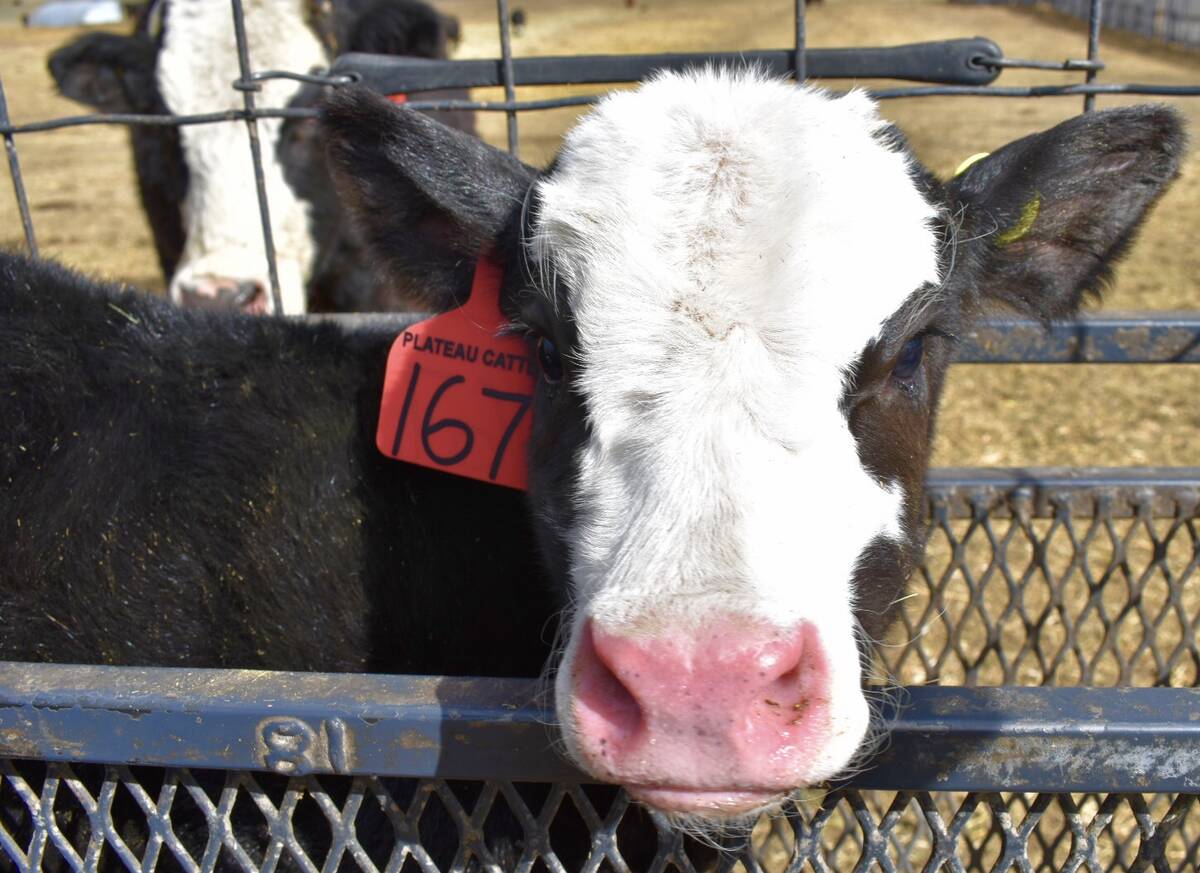
The DNA samples are collected with two-fold purpose. As the cow herd is high-percentage Black Angus with some Hereford influence, the ranch is assisting both the Angus and Hereford breed associations with their genetic research projects by providing DNA samples.
“In return we get information back, which helps us evaluate our breeding program,” says Laing. “By matching calf performance with information on herd sires and EPDs, we are able to select bulls carrying traits that most benefit our breeding program and objectives.”
Late May processing
Plateau Cattle Company hasn’t branded calves for nine years. Laing says eliminating branding has been an integral factor in significantly reducing calf stress and improving overall performance.
“In our first year we recorded an average 18- to 20-pound gain per calf — even in calves born a week later than the previous year’s branded group,” says Laing.
“Branding is a very stressful treatment that really sets the calves back…. Now on processing day in late May, calves move through the chute, we vaccinate and weigh the calves again, and that’s it.”
Only cows within the ranch’s breeding herd are marked with a freeze brand for identification.
While the idea behind branding is to affix permanent identification on the calf to prevent rustling, Laing says their dangle tags and RFID appear to be sufficient.
“Rustling hasn’t been a problem since we quit branding our calves, and let’s face it — if someone really wants to take a calf, the brand isn’t going to stop them.”
Both cows and calves are weighed in late May and again in June before they are hauled to summer pasture, which includes about 65,000 acres of native grass on public lands in the Mt. Livingstone Range as well as the Waldron Grazing Co-operative.
Home for weaning
The herd is brought home in late September and early October for final vaccination, weighing and weaning. Plateau has introduced two stress-reducing practices for this process in the past couple of years, both of which are in conjunction with studies at Olds College: fenceline weaning and treating calves with FerAppease.
FerAppease is a synthetic version of Maternal Bovine Appeasing Substance (MBAS), a naturally occurring pheromone secreted through the skin of the mammary gland of lactating cows while calves are nursing. The pheromone has a calming influence on the calf.
After calves are processed and about to be separated from their mothers, the liquid FerAppease is applied with a roller applicator to the forehead and face of each calf, which they hope will produce a calming effect that should last for about two weeks. Olds College says early results show the treatment reduces stress in cattle, improves handling and may even improve feed efficiency.
“We are still evaluating fenceline weaning, but both cows and calves appear to be less anxious,” says Laing.
“There is a bit of bawling for couple days, but both the mothers and calves soon seem to lose interest in each other and move on to grazing. Right now at processing we are preg checking cows and vaccinating calves and then sorting them for fenceline weaning. Next year we may try splitting that up by preg check and vaccinating and then wait a week before we sort calves off for fenceline weaning. It may help ease them into weaning a bit better.”
For the 2025 weaning program, calves were weaned in early to mid-October and sold through online auction in early December. Calves have a minimum of 42 days at home post-weaning before they are shipped.
“During the year we apply a number of practices, which hopefully reduce the stress on both calves and cows because it is right thing to do,” says Laing.
“But we also hope it results in healthier animals, with improved rates of gain and ultimately more pounds of beef.”
As Plateau makes a point of working with buyers to follow calves through feeding and processing, they’ve found that the majority of their calves finish in the Triple AAA and Prime grades.
“Hopefully the market sees and appreciates that effort with improved prices,” says Laing.
“For our buyers, these calves have already settled down after weaning, so there should be less illness in the feedyard and improved rates of gain. And for end users such as restaurants and consumers who want to know how their beef is raised, we hope they appreciate the care that has gone into raising these animals, resulting in a higher-quality beef product on the plate.”