
The University of Calgary’s Diagnostic Services Unit (DSU) has launched a new telepathology service and expanded its diagnostic testing options, offering Alberta livestock producers enhanced veterinary-supported disease investigation and surveillance.
“This is a very positive development for our industry here in Alberta,” said Karin Schmid, beef production and extension lead with Alberta Beef Producers, in an ABP release.
“Having more diagnostic tools and specialist support available can help producers and their veterinarians get answers sooner when there’s a health concern. Producers who are interested in using these services should discuss it with their veterinarian, who can access these services on their behalf.”
Read Also

Alberta agriculture minister returns from first China trade mission since 2018
Alberta exported $1.4 billion in agri-food to China in 2025. Sigurdson’s visit was the first by an Alberta elected official since 2018.
WHY IT MATTERS: Faster, more accurate diagnostics help producers and their veterinarians identify health concerns earlier, reducing losses and supporting herd management decisions.
How the telepathology service works
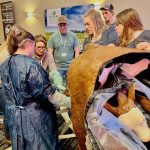
The telepathology service, which opened Feb. 2, allows DSU pathologists to support field necropsies remotely in real time. Using video technology, a DSU pathologist can virtually join a licensed veterinarian on farm during a necropsy, offering immediate consultation before tissue samples are submitted for laboratory analysis.
The service is available for production animals, including beef and dairy cattle, small ruminants, pigs, poultry and alternative livestock such as farmed deer, elk and bison, as well as equine cases.
Access is limited to licensed veterinarians or veterinary clinics, and a licensed veterinarian must be present and performing the necropsy during the call.
Expanded testing
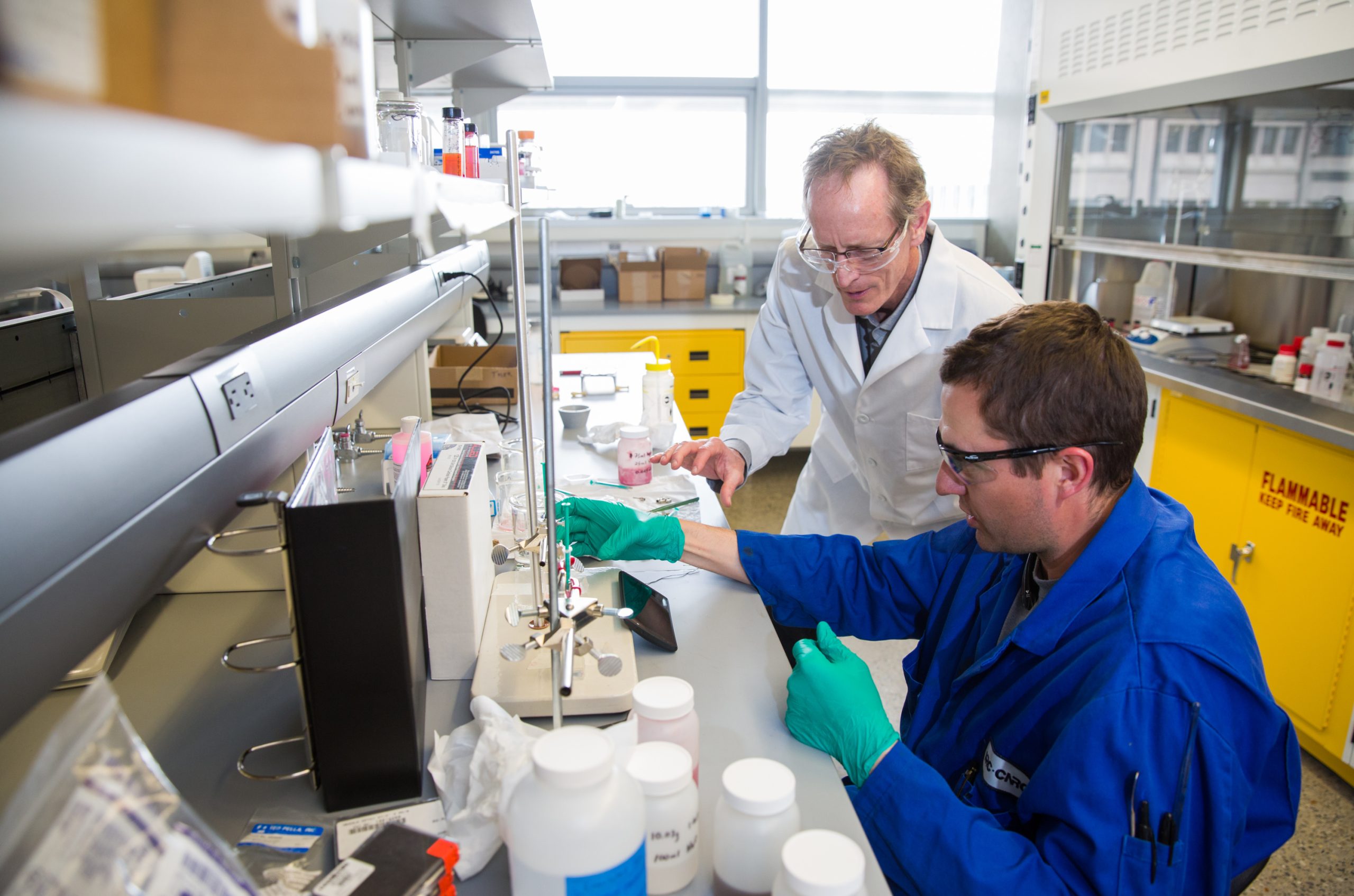
In addition to the new telepathology offering, the DSU’s serology and molecular diagnostics laboratories continue to validate and expand testing for diseases of importance to Alberta livestock industries.
Current testing includes a range of bacterial, viral and parasitic diagnostics across bovine, small ruminant, porcine, poultry, equine and companion animal species, with further test development underway.
The DSU notes veterinarians and producer organization representatives are the preferred points of contact for questions related to diagnostic services or emerging disease concerns. This approach helps ensure appropriate case triage, supports the veterinarian–producer relationship, and helps manage laboratory capacity.