

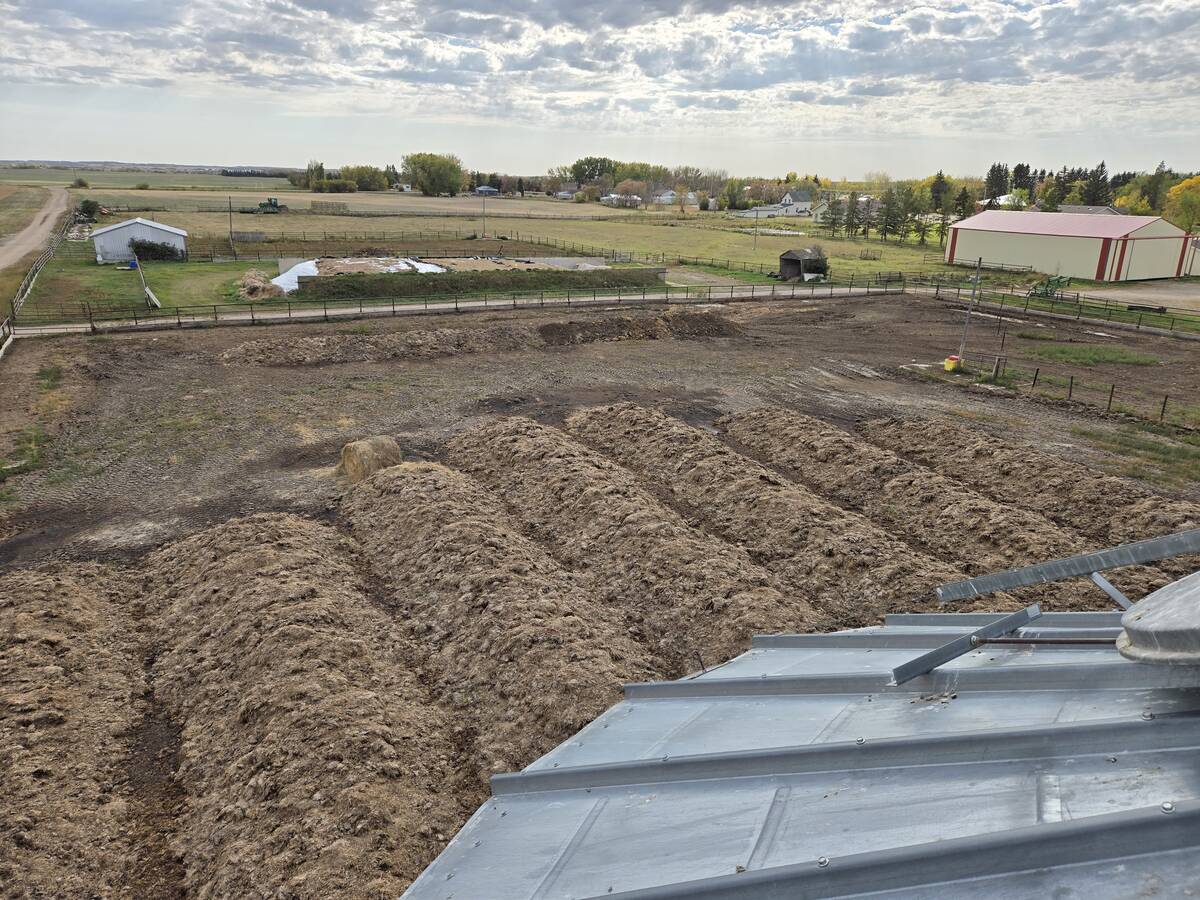
Three producers shared their experience with composting during an Alberta Agrisystems Living Lab webinar.
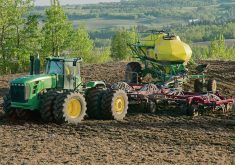
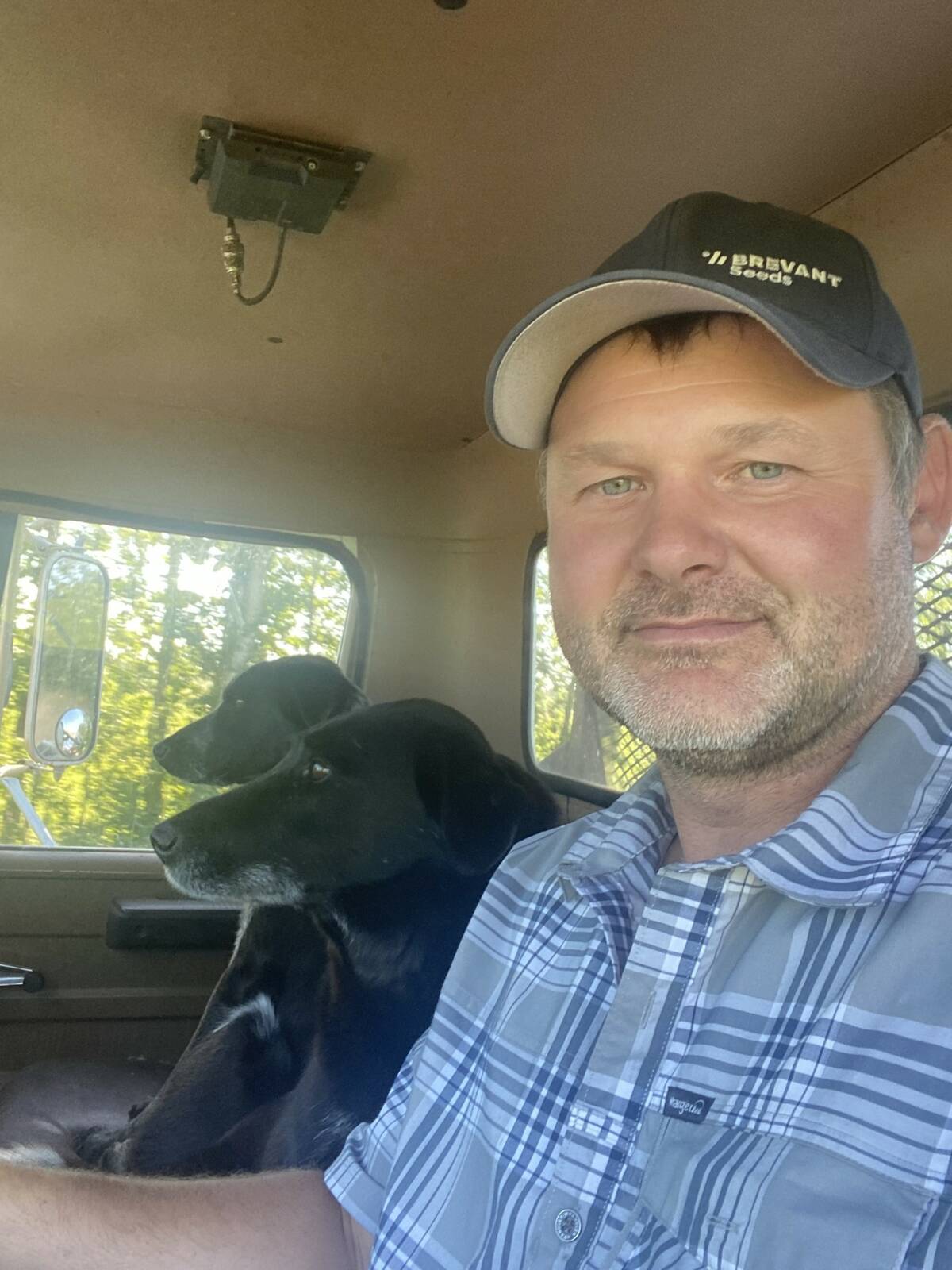
Claude Lampron is from Saint Vincent. He has an operation of 2,400 acres of barley, peas, canola and wheat, and a small feedlot.
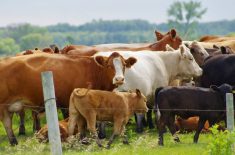
“We keep 200 heifers from October to the end of April. This is where my compost material comes from,” he said.
Read Also
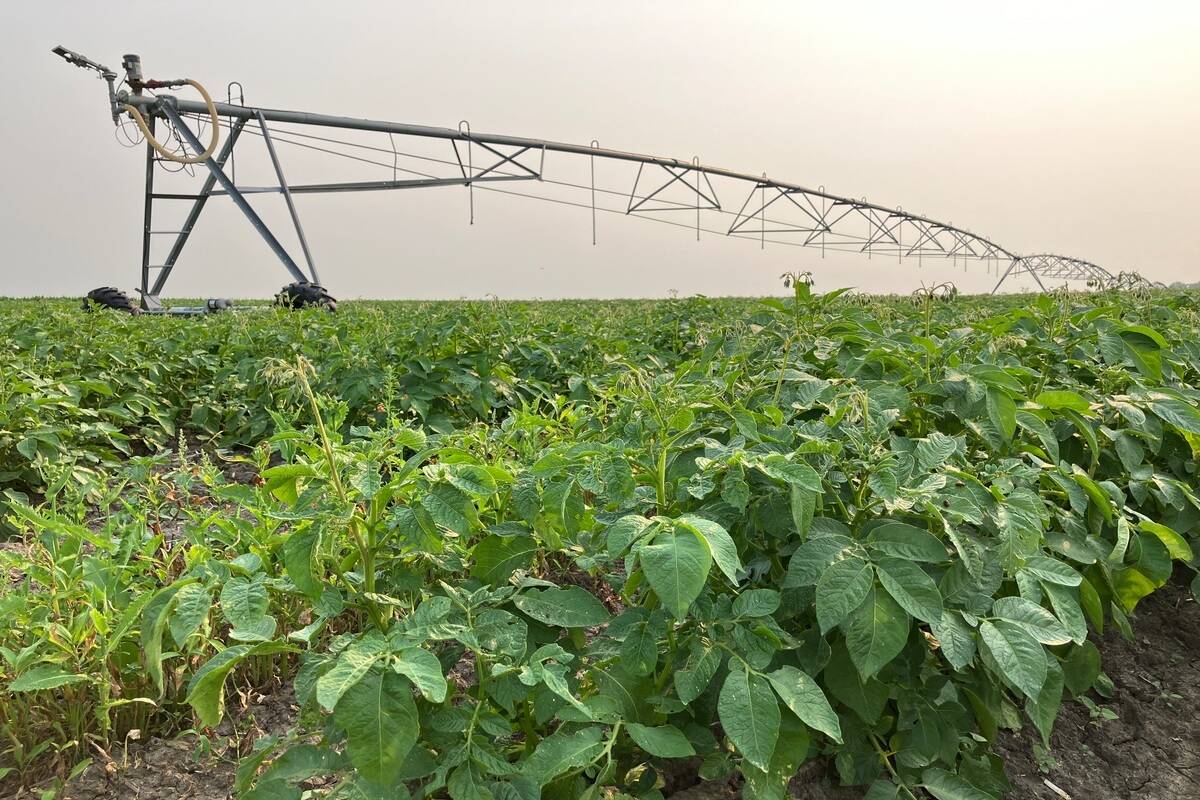
Alberta potato growers face rising costs, trade uncertainty and global competition
Alberta potato growers are navigating surging input costs, new global competitors, and an uncertain U.S. trade relationship.
As soon as the cow goes out and their corrals are dry, Lampron piles the manure in the corral and leaves it. After silage, when there is room in his field, he does some windrowing and spreads the manure after harvest in the fall.

“That’s as simple as it is, and it’s just manure and straw.”
Claude Lampron
WHY IT MATTERS: More producers are turning to compost instead of synthetic fertilizer to cut costs.
Colby Hansen farms between Westlock and Athabasca. His land has variable soil types, ranging from beach sand, peat moss, clay and number one black soils. He runs about 3,000 acres and about 350 cow-calf pairs, growing grain as well.
“We’re using municipal compost on our farm. I’ve used gypsum added into the compost and wood ash,” said Hansen.
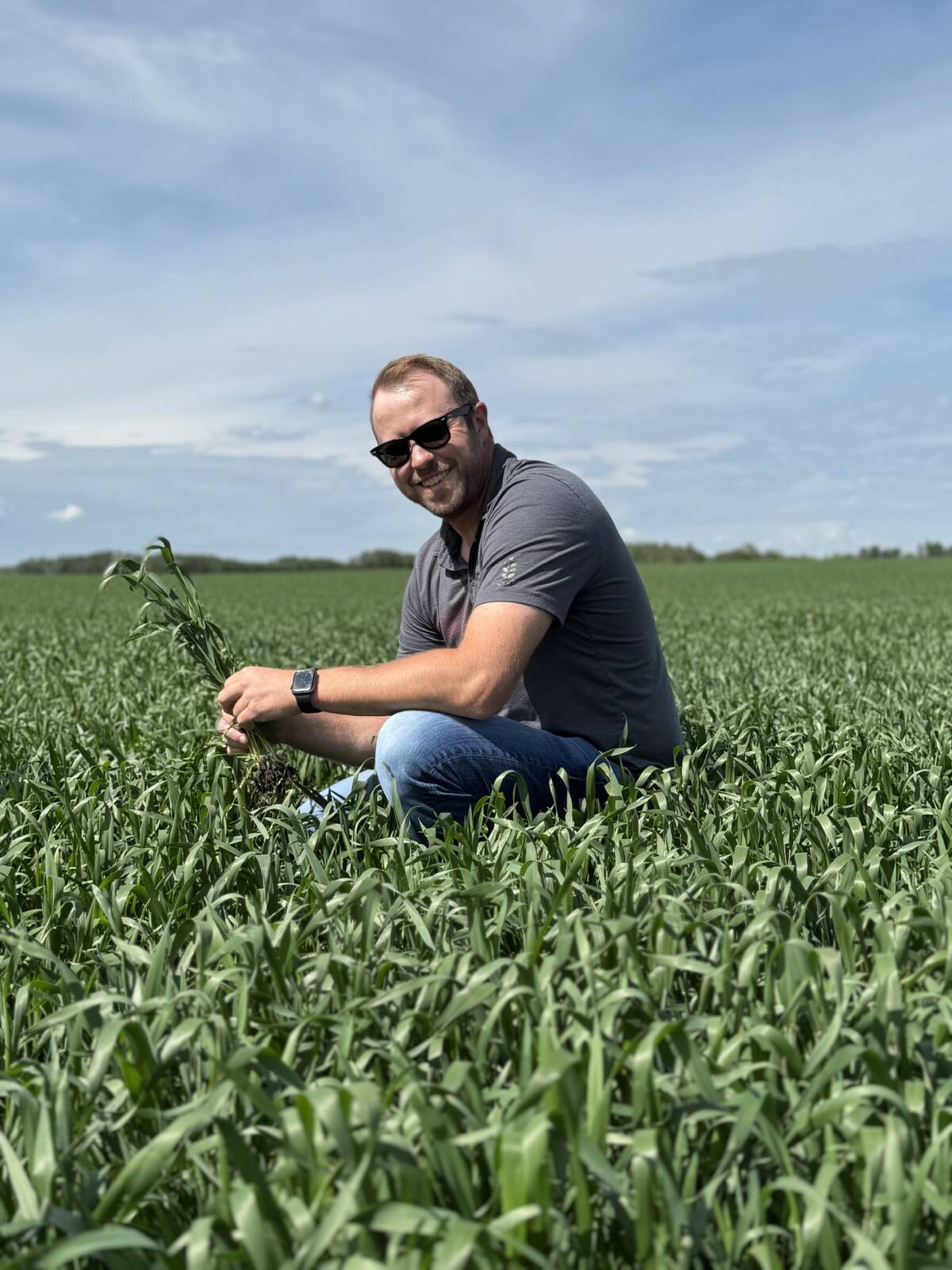
Steve Cowan farms south of Camrose. He is also an agronomist with Crop Management Network in central Alberta. He is currently farming with a family friend and will eventually take over the farm.
His grain farm consists of 3,000 acres of canola, wheat, malt barley and pulses.
“The land has been annually cropped for many years. Livestock isn’t part of a lot of the land that we now own or we rent,” he said.
“We have pretty good soil, but I was certainly seeing a lot of challenges from the continuous annual cropping. And that’s what got me interested in looking at compost.”
Canola meal used as compost
Cowan farms right near a canola crush plant at Camrose. The plant needed to get rid of canola meal, and he was able to spread it on his land a few falls ago.
“With that, I got some compost as well that I mixed in, and that I also spread and saw firsthand the value of carbon-based fertilizer,” he said.
Cowan started using variable rates for seeding and fertilizer in 2025.
“I stumbled into some of the compost a bit accidentally, working with Colby and another friend of ours,” he said.
Since then, he has composted with gypsum and wastewater lime as well. He applied 2,000 pounds an acre of the canola meal, which allowed for a release over three to four years. The canola meal helped his crop get through the dry years of 2024 and 2025.
“I’m seeing evidence of something on the zone soil samples, but I certainly feel that I saw it on my yields and the consistency of yields,” he said.
Building soil health
Knowing the land had been continuously cropped for many years encouraged Cowan to think about composting. He could see crusting and sodium issues on his soil. His goal is to build resilience into the land and into the crop, so the crop can survive a year of drought or heat stress.
“By building that soil health, I think I should build some resilience into the soil to overcome those stress periods so I can continue to make money and keep farming,” he said.
Lampron said he had always composted, but co-operating with the Living Lab helped him see how he could maximize it.
“I just wanted to have some data and see if I’m doing the right thing, because there’s a way to do it better. It’s kind of simple for us, just two piles and spread it,” he said.
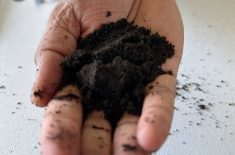
Lampron said compost was his main soil health amendment, improving soil structure and bringing more biology into the soil.
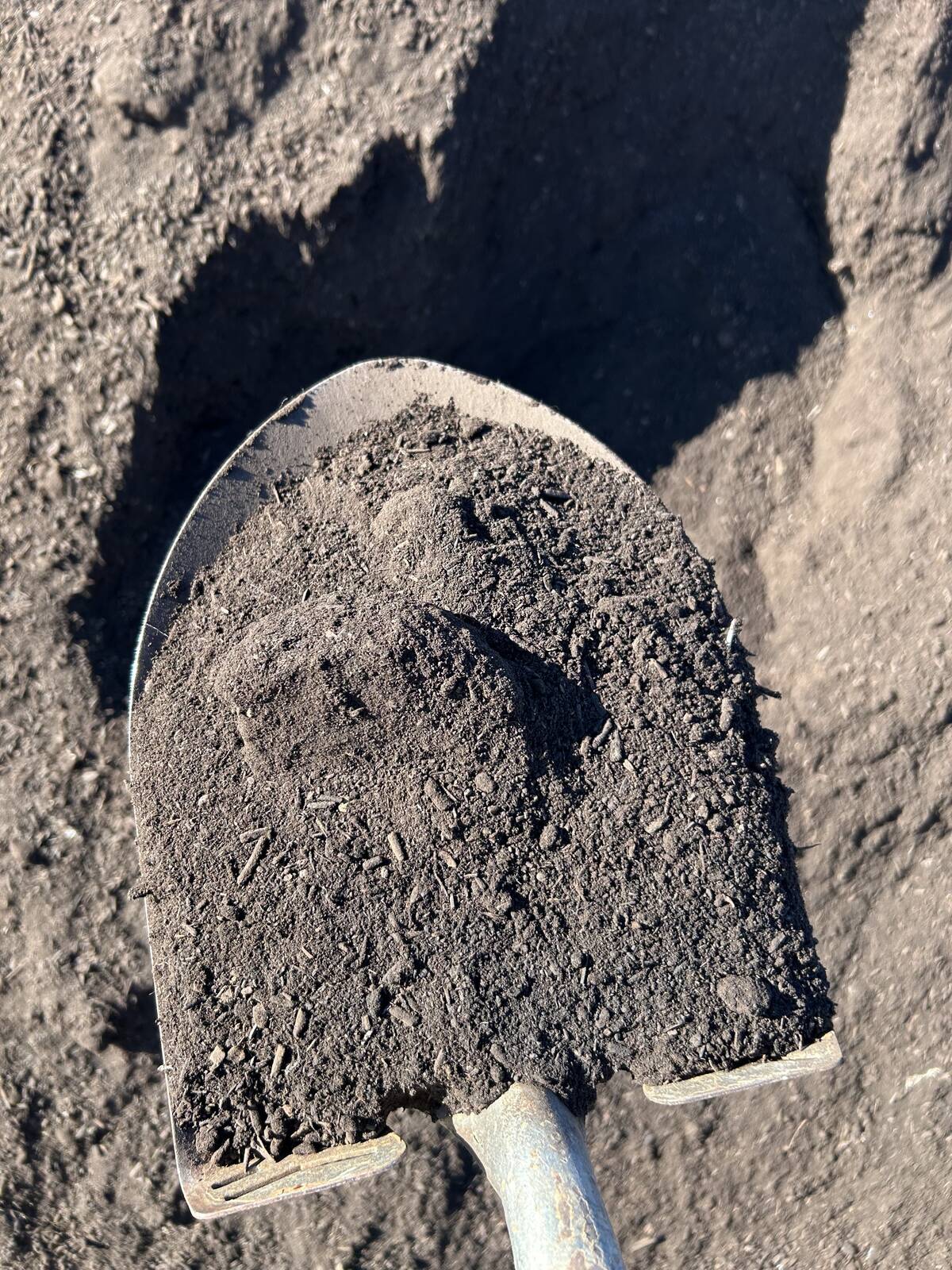
“That’s all I need. But it’s not a lot. I’m doing one quarter per year,” he said.
Hansen’s decision to compost came from a piece of rented land where a farmer had fed his cows for 50 years.
“You could see the texture of the soil. It looked like chocolate cake. And every year, I wouldn’t put any nitrogen, and the crop would be 11 tonnes of silage. And where he stopped feeding, it would be seven tonnes or less,” he said.
He was driven to find out more about compost because he wanted to cut costs on synthetic fertilizer.
Using municipal waste
Hansen has spread compost on all his acres, as he is a part owner of a compost facility.
“We’re taking a resource that was going to a landfill and now we’re making it into compost and diverting it and it’s going to my farm. I won’t be using commercial fertilizer this year. I’ve slowly been reducing my rates the last few years and I take a soil test to confirm that there might be one field that I might not get compost on in the springtime, so that might get a little bit of fertilizer,” he said.
Hansen’s compost is tested by the facility, which must test every 1,000 tonnes. The compost does contain some foreign material, including microplastics. Hansen said things needs to change to avoid microplastics in municipal compost.
“My understanding is that they are developing microbes to eat those microplastics and nature takes care of itself. It’s in the back of my mind, but it’s never a perfect world,” he said.
Hansen said the compost facility uses a large sifter and removes all the large plastics out before screening it.
“I think some people don’t know what’s compostable and what’s not. That won’t be fixed anytime soon. It’ll take years to change peoples’ mindsets,” he said.
The importance of livestock
Hansen said his success in building soil is not just through compost, but by growing polycrops, having livestock and recycling nutrients.
“My recent realization is that the biggest bang for my buck is doing a swath grazing or a corn grazing with the polycrops. I’ve done this a couple of times. I’ve grown this massive polycrop and put all my cattle on there. I keep my calves on the cattle all winter, so I’ve doubled the number of animals per acre. They are doing the fertilizing for me, providing the nitrogen inside of it, and all the corn stalks and the residue is providing the carbon side of it,” said Hansen.
“I’m basically turning my whole field into a compost pile in one year.
“For me, the quickest way is for grain farmers to realize cattle farmers are an asset and to take your first quarter of land out of production for one or two years and let the cattle farmer run their cattle on it with a massive polycrop on it, and fertilize it as recommended and you’ll see the benefits next year.”
Cowan said his goal is to bring nutrients in from off the farm and try to emulate what manure does.
“We can stop putting stuff into landfills, those nutrients can be recycled and put into the ground and that will create more products to go back to growing food. We can kind of create that circular green economy, but it’s probably a regulatory thing,” he said.