
As we launch into 2026 (geez, I can’t believe another year has slipped by), I can be grateful that over the past year I learned many new things. I may not necessarily remember them all at this very second, but I know there were many “wow” moments in 2025 as I talked to a wide range of both young and old types who are making great contributions to the Canadian agriculture industry.
Often people ask me how I’m enjoying retirement and I usually reply, “I will let you know when it happens.” Technically I am retired, but I continue to have opportunity to write this column and work on several other writing projects, which gives me a glimpse into what’s important in the lives of a few of the farmers and ranchers across this country.
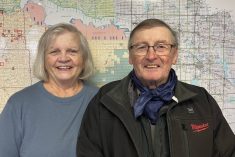
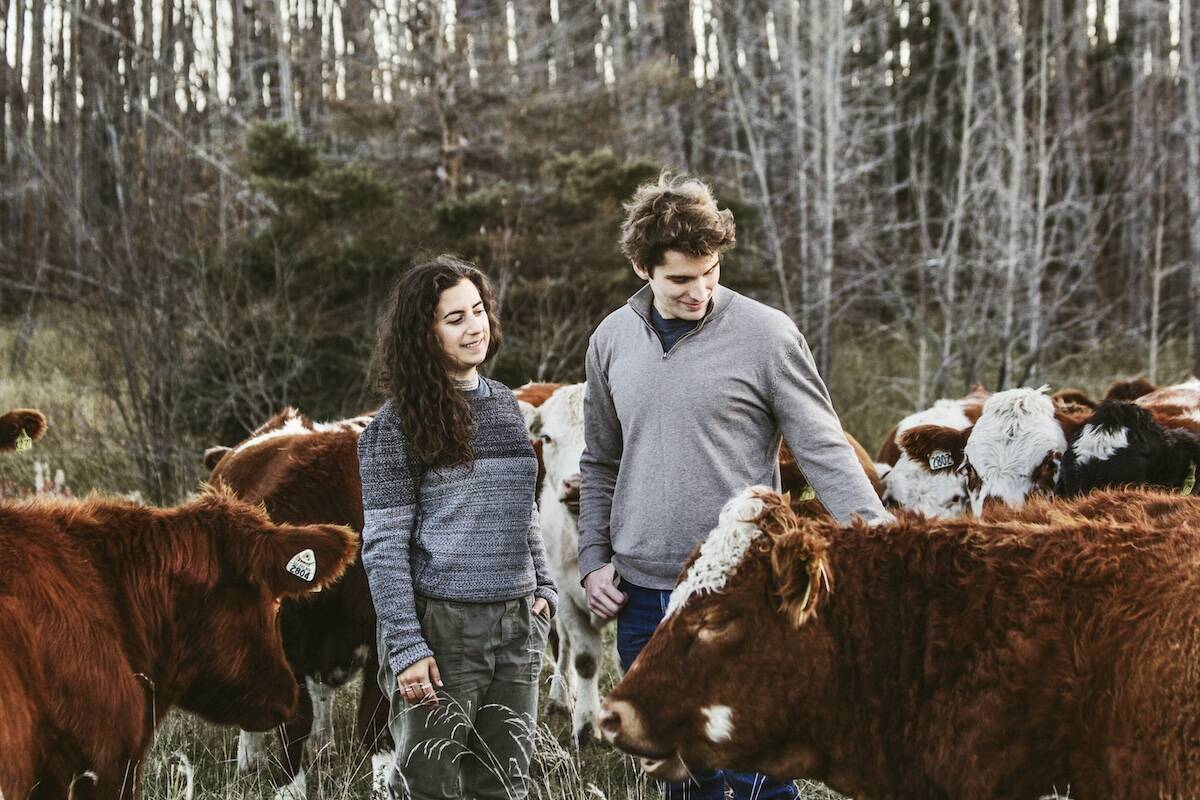
From the East Coast I enjoyed having a talk with Don Bettles, a youthful 80, who along with his wife, Geraldine, have for nearly 50 years been raising cattle on land along New Brunswick’s Keenebecasis River. Their focus is beef production, but it has always been important to them to look at the environment as well.
Read Also
Alberta pulse growers can claim tax credits on check-off dollars
APG confirms SR&ED tax credit eligibility for 2025 check-off payments
Their commitment to good environmental stewardship earned recognition as the 2025 national winners of TESA — The Environmental Stewardship Award presented by the Canadian Cattle Association. The Bettles were among provincial nominees from across Canada, vying for the national award.

The Bettles purchased the farm at Passekeag in 1977. Located about 50 kilometres north of Saint John, the farm has been in the family since the 1800s. They started out with a small dairy herd and milked cows up until 2005. Since 1985, they were also introducing beef cattle to the farm as well. Today, Passekeag Holdings Inc. runs a 70-head Angus-based cowherd. Their farm encompasses 400 acres of farmland and a 200-acre woodlot, which includes three miles (4.8 km) of riverfront along the Keenebecasis River. They also operate a cedar shingle mill on-site in their spare time. And when it comes to the heavy lifting, grandsons Hudson and Elliott also help out on the farm as much as possible.
In northwestern Quebec, I spoke with Simon Lafontaine and his wife, Frederique Lavallee, who for several years have run a successful grass finished beef operation called Ecobeouf. Although separate businesses, they work in co-operation with his parents, Eric and Helene, and sister Corine Lafontaine who run a 300-head commercial cow-calf operation. They all farm near Dupuy in the Abitibi-Quest region of the province. That area, which meets up against the Ontario border, is about eight hours northwest of Montreal, and about two-and-a-half hours east of Timmins, Ontario.
Simon and Frederique buy between 70 and 80 head of yearling heifers in June from the family farm, finish them over the summer and then start marketing grass-finished beef in Montreal in the fall. The home farm, Ferme Lafontaine-Noel, has over the past 15 years been using a number of strategies to extend the grazing season as long as possible.

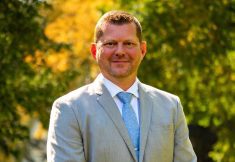
In Ontario, Brendon Van Osch who, along with his cousin Kurt and their respective dads, Fred and Gerald, own and operate Van Osch Farms Ltd., in Middlesex County, northwest of London, Ont. It was once a dairy operation before transitioning to a mixed farm with cash crops and beef cattle.
Today, with Brendon and Kurt joining the operation, the farm includes a 11,500-head capacity feedlot as well as 10,000 acres of annual cropping. Along with the Van Osch family, the farm also employs 15 people.
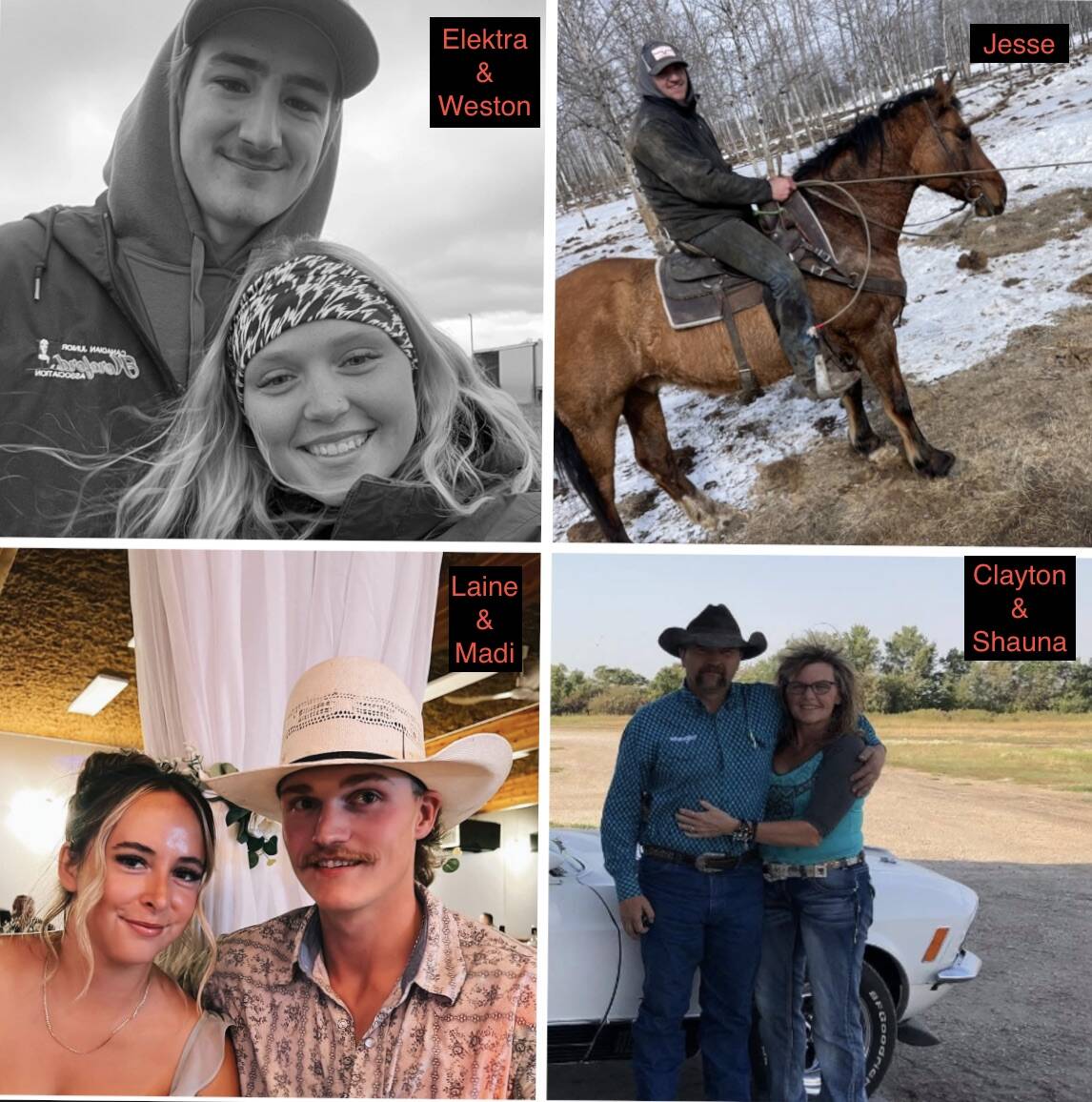
After ranching in southern Saskatchewan for a number of years, Clayton and Shauna Breault bought property at Toute Aides, about 95 km northeast of Dauphin, Man., in 2002, which became the headquarters for Breault Ranching Ltd.
As a first-generation ranch, they built up a beef herd, today totalling 4,300-head of cattle, including 2,500 breeding females. The ranch has about 22,000 acres of pasture, which includes 16,000 acres of Crown grazing lease.
In all aspects of their operation from managing a large beef herd, to rotational grazing on pasture, to producing forages for winterfeed, they have applied the key principles of holistic management and regenerative agriculture.
“No where in nature do you find a monoculture,” said Clayton.
“Biodiversity has been a key element in helping us develop a healthy and productive beef herd and land base. We are continually learning and searching for ways to improve practices in which we feel will improve the environment of our ranching operation.”
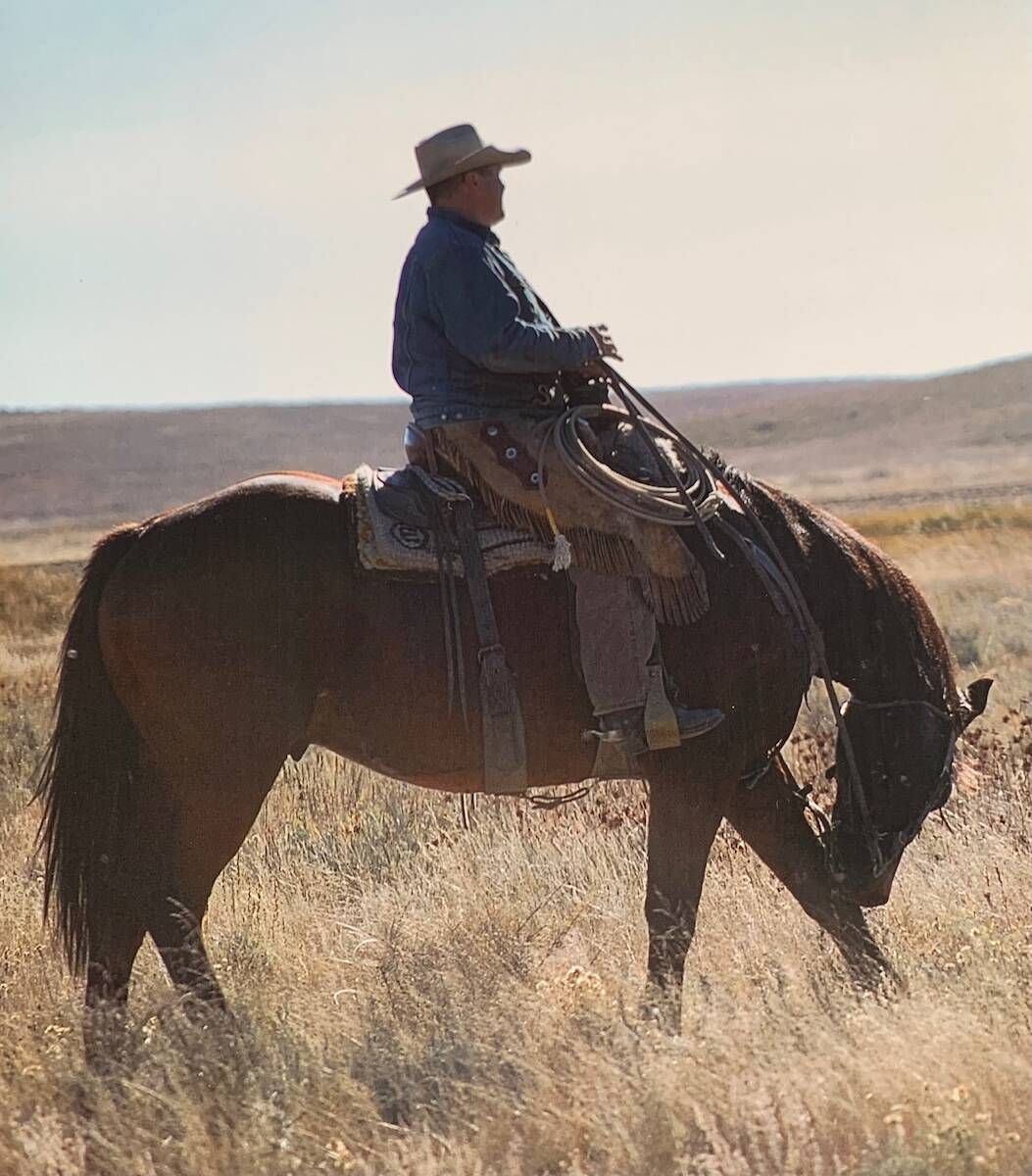
In southern Saskatchewan, Mark Elford was raised on the family ranch in the Horse Creek District south of McCord, about 25 miles (40 km) west of their current location near Killdeer. Working with his dad, he bought land and his first two cows at the age of 14 and has been ranching his whole life.
Over the years, Elford expanded the ranching operation in the Horse Creek area, eventually running a herd of about 1,100-head. After selling the home ranch, he and his wife, Karin, sort of retired or at least downsized their beef operation. In the early 1990s, they bought the ranch they live on today where they run a herd of about 250 head of Angus and Hereford cross cattle. They sell one truck load of steers in the fall, but the remaining steers and heifers are backgrounded over winter, and then usually put out to pasture the following year and sold the following September.
The Elfords also work in partnership with their son Kelcy, who ranches about 100 miles (160 km) north in the Old Wives Lake District. They co-own 17 quarter sections of mostly pastureland. Mark has spent a good part of his life tuned in on how to properly manage native grass prairie for grazing.
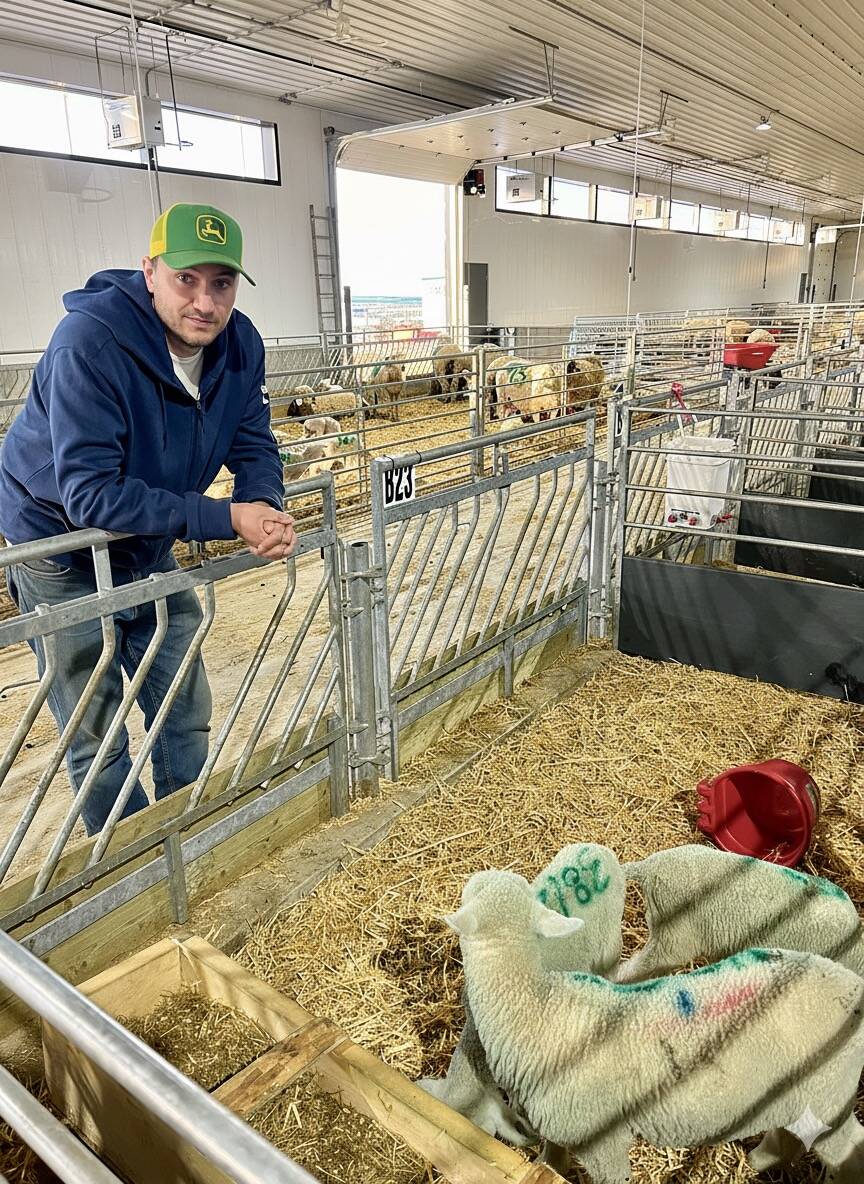
In Alberta, Eric Steeves a young southern Alberta farmer has for the past eight years been involved in Canada’s largest solar power generation project. Being involved with the renewable energy project has turned out to be a game changer not only for his family’s Yetwood Farms, but for several other family farms in the Lomond-area, about an hour north of Lethbridge. Steeves not only leases some of the farm to the project, but he also took on the contract to provide vegetation control under the solar panels. And that now has him knee-deep in the sheep business.
The Steeves family were just regular grain farmers, cropping about 6,000 mostly dryland acres of grains and oilseeds when they were approached out of the blue in 2017 by Calgary-based Greengate Power Corporation asking if they would make land available for a solar power project. That discussion led the company to develop the Travers Solar Project, the largest solar project in Canada, involving installation of 1.3 million solar panels in arrays covering about 3,400 acres of farmland. The Steeves family has about nine quarters or 1,440 acres leased to the project, while several nearby farm families leased another 14 quarters or 2,240 acres to Greengate.
And to make a long story short, today Yetwood Farms, which is managing the sheep and vegetation control for the entire Travers Solar Project, is running 2,000 head of breeding ewes. The plan is to increase that to 3,500 ewes over the next year and within five years grow the flock to about 8,000 head. They have built lambing facilities as well as feedlot for finishing lambs. The plan is to manage the flock so it is producing lambs on a year-round basis. Lambs are finished to an average of 130 pounds and marketed through the Westpine Meats processing plant at Innisfail in south central Alberta.
So you never know how a phone call one afternoon can change your life.
These are just a few of the folks who have told me about their farming operation. What I hear in their voices is a real passion and commitment to do the best job they can to look after their livestock, produce quality crops, and protect the land while running a profitable farm business as well. So far, I never get tired of hearing those stories.