

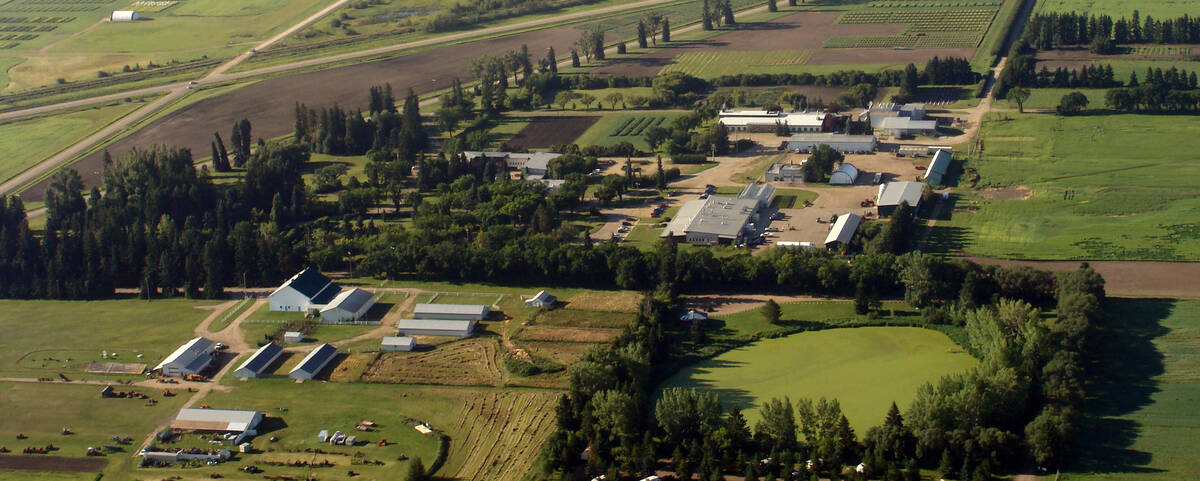
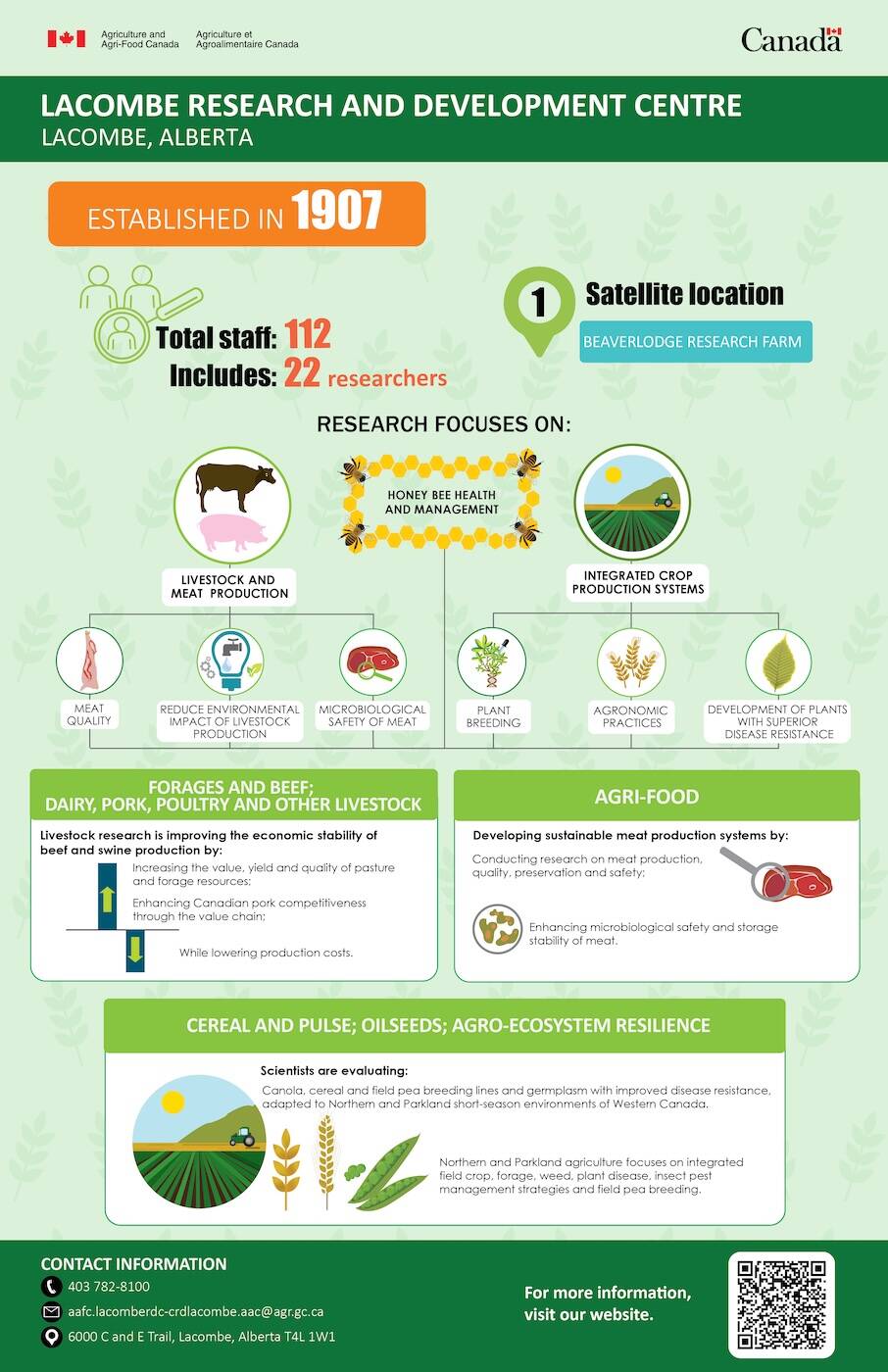
The Agriculture and Agri-food Canada (AAFC) research and development centre at Lacombe is set to close, said an AAFC spokesperson in a statement on Jan. 26.
Other research stations that will close are at Guelph, Ont., and Quebec City.
Satellite research farms at Nappan, N.S., Scott, Sask., Indian Head, Sask., and Portage la Prairie, Man., will also close.
Read Also

Alberta producers set record for environmental farm plans in 2025
Albertan farmers and ranchers completed a record number of Environmental Farm Plans in 2025.
WHY IT MATTERS: The drastic cut to agricultural research will have a long-lasting impact on Canada’s ability to remain competitive in the global agriculture industry.
About 665 department positions have been reduced and nearly 1,050 employees received notification on Jan. 22. Some staff from Lacombe have been let go, while others have been given the option to relocate.
“Everybody understood that the cuts would be coming because of the way things are. But what we’re disappointed in is that it appears as though the cuts were made without much consideration of industry priority,” Reynold Bergen, science director with the Beef Cattle Research Council, said.
“We weren’t consulted, but we were kind of expecting that the votes of confidence we have put in in the past based on past funding decisions or funding investments in these programs would indicate where our priorities are and those priorities don’t line up with the decisions that have been made here,” Bergen said.
Breanne Tidemann, weed scientist at the research and development centre in Lacombe, wrote on X (formerly Twitter), “I’ve always shared about my research on here so a brief update on my situation. My position in Lacombe has been terminated as the station is being closed. I have been given an opportunity to stay with AAFC if I relocate. My family and I are weighing our options.”
There are no imminent site closures and the wind-down of scientific operations could take up to 12 months, AAFC said.
“We don’t totally know what the impact is going to be on cattle or beef or forage research, because we don’t know which researchers have been eliminated and might be relocated to other sites,” Bergen said.
“It’s going to be some mix of both, but we don’t know how many and we don’t know who.
“All we know for sure is this is a concerning thing, and it’s frustrating because as industry, we’ve made it clear that forage and cattle and beef research is important. We were hoping they would take our funding commitments into consideration when they were deciding what to cut. That doesn’t seem to be the case.”
County of Lacombe not happy with the decision
Lacombe County said in a social media post that it was deeply disappointed with the federal government’s decision to close the Lacombe Research and Development Centre, which has been in operation for 50 years, and called on Ottawa to pause the move. The county said more than 100 centre employees and their families have been affected by the closure, as well as industry partners.
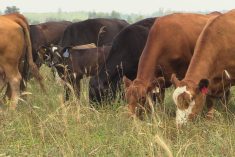
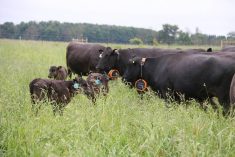
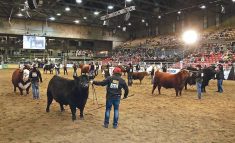
Lacombe was a major site for cow-calf forage and grazing research, as well as meat science, food safety and grading research.
“This is going to be a big loss. We just don’t exactly know what is being lost yet,” Bergen said.
In an impromptu speech at the Crossroads Crop Conference in Edmonton Jan. 27, Lacombe-Ponoka MLA Jennifer Johnson expressed her frustration over the closure of the centre.
“In my opinion this is another attack or assault on the agriculture industry in Alberta and in Canada.”
She suggested advocacy may be able to turn the federal government’s decision around.
“I think it’s really important we stand in solidarity with each other as commissions and associations. … Let’s bring some honey to this, not vinegar.”
Forage breeding research in Quebec
The loss of Lacombe will be a hit to the industry, but the Quebec City research station closure will be also be impactful because it has been the site of extensive forage breeding.
“Quebec’s a long way away, but the varieties they develop there go all across the country,” he said.
Bergen said time will tell how the closure of the research stations will affect agriculture across Canada.
“The insidious part about cutting research is that it’s like a long hose. Think of water running out of a long hose, and you shut the tap off. Water keeps running until it doesn’t. With research, there’s such a long fuse on research that it might be 20 years before you start to wonder, ‘Well, how come nothing’s improving here?’ And it’s because of the cuts that were made so long ago.”
Bad decision for both cattle and crops
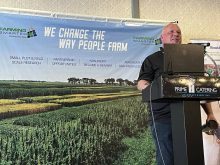
“Generally, I think it’s a catastrophe,” said Ken Coles, executive director of Farming Smarter, a Lethbridge-based innovation hub in agriculture crop production.
“I think we’ve got an eroding platform and ability to serve our farmers across the country, and further cuts, especially to rural locations, is a terrible blow. The unfortunate part is that once this decision is made, I don’t think we’ll ever get it back. Not only are you losing the positions, but you’re losing the facilities, and you’re losing the impact and connection to the rural community.
“I think it’s a shame and disgrace as a country that we’re not supporting one of the foundations of our country in an appropriate manner that will keep the industry competitive and vibrant on the world stage.”
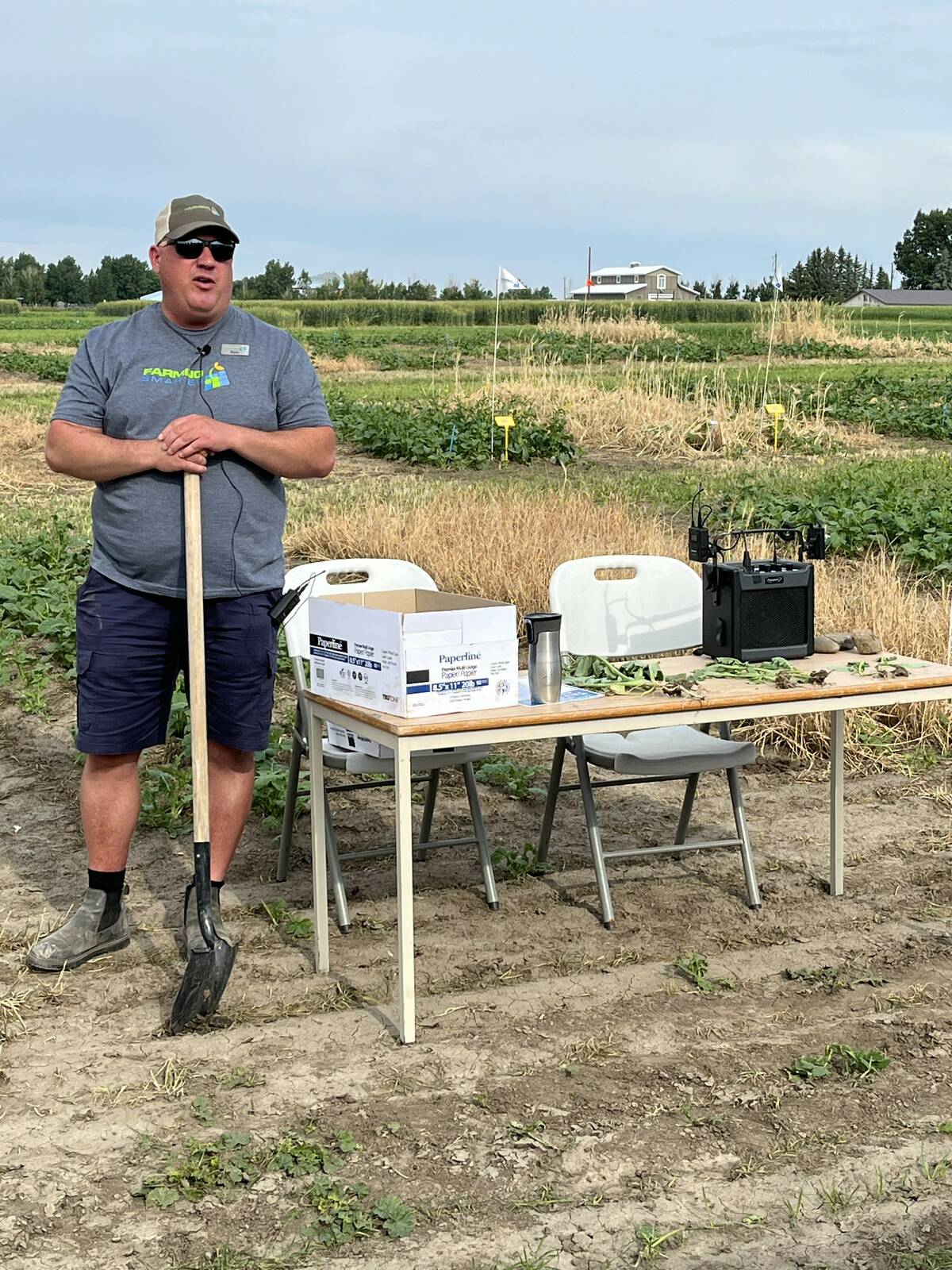
Coles said the closure of the Lacombe Research and Development Centre will have an economic impact.
“It’s not just this one choice. It’s been a series of changes in investment that, over time, will be economically impactful,” he said.
The industry has been affected by federal, provincial and even private changes to investment.
“The biggest concern I have overall with our agricultural innovation system is a complete HR crisis. I don’t think we have the human capital to deal with any challenges that we might be faced with in the future, and we certainly won’t be able to take advantage of any opportunities and innovation. It’s been a critical loss in capacity that allowed us to do great things in agriculture. I think we no longer have it,” he said.
Scientists who will be forced into retirement because of the closure will not be available for mentorship, he added.
“If I want to hire a scientist, I can’t find anybody that has the skill set to step into the role. I’m now having to start from scratch and train from the ground up.”
The knowledge of the “old guard” is going to be lost.
“Everybody’s excited and sold these grand ideas of new technologies solving it. But you still hear the same message that we’re failing at adopting and commercializing innovation because all the innovation is on this public entrepreneur piece and they don’t know how to add value in agriculture,” said Coles.
“It’s another blow to breaking the entire innovation system in agriculture across the country. Specifically, who is left behind has lost the ability to partner.”
— with files from Jeff Melchior