
Nitrogen, phosphorus, zinc, boron, potassium — all the buzzwords for the foundations of proper crop management. They may get all the headlines, but copper nutrition is getting harder to ignore.
“Copper nutrition was discovered in 1931. So don’t let people tell you copper nutrition is new,” said Dan Owen, director of market development and agronomy for ATP, speaking at a recent nutrient summit in Lethbridge, Alta.
“There’s been a lot of work done in this arena, it just means it’s the new shiny object. Last year it was boron, the year before it was potassium. If we get stuck in a rut and we think it’s not important, we ignore it. We’ve got to learn how to manage it better, because currently we’re stuck in the past. We put it in the soil and we forget about it.”
Read Also
Lethbridge Polytechnic finds faster way to screen potatoes for natural toxins without damaging the crop
Lethbridge Polytechnic developed an infrared imaging model to screen potatoes for harmful toxins — without damaging the crop.
WHY IT MATTERS: With 16 nutrients needed in photosynthesis, copper often takes a back seat in fertility programs — but deficiencies can cut yields by 50 per cent and are frequently mistaken for herbicide injury until it’s too late to act. Cereals and pulses including beans, lentils and chickpeas are among the most sensitive crops.
What copper actually does
Copper is not a passive player in the plant. It activates enzymes, stimulates proteins and metabolizes carbohydrates, aiding respiration and breaking down sugars. Deficiencies lead to poor pollination, reduced standability and increased ergot infection.
Owen was direct about the cost of relying on soil-applied copper alone.
“You know what the yield loss can be from copper deficiency? Fifty-plus per cent, you fail. Because at the end of the day, if you’d have done a soil test, if you did tissue tests, would we be here?”

What drives deficiency
Several factors put crops at higher risk. Copper deficiency is greater in coarse-texture soils prone to excessive leaching, and in soils with increasing pH.
“Copper solution, or solubility of copper, decreases with an increase in pH,” said Owen. Optimum conditions are near neutral to slightly acidic (5.5–7.0), with acidic soils affecting copper availability less severely than other nutrients.
Nutrient interactions are another factor growers tend to underestimate. High levels of zinc, iron, manganese or phosphorus can depress copper uptake. High nitrogen applications can drive growth faster than copper uptake can keep pace, diluting concentration in the plant and reducing lignification — contributing to crop lodging.
“That can antagonize copper uptake in the plant that will have high levels. So this is why we talk about soil analysis. We need to understand how to interpret those results. It’s not just red, green and yellow. It’s what are the interactions between these nutrients — we’ve got to start thinking a little differently,” said Owen.
Watch for the early signs
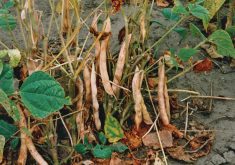
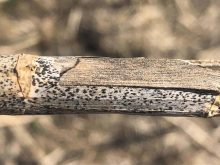
Twisted leaves and heads are often the first visible sign of copper deficiency — but they’re easy to misread as herbicide injury. By the time the symptoms are obvious, it’s typically too late to recover yield.
Soil and tissue testing throughout the season is the proactive approach, Owen says.
Soil program alone isn’t enough
Owen was clear that a soil-only copper program leaves yield on the table. Because copper has limited mobility in soils, foliar application at the right timing can meaningfully increase yields — if it’s done carefully.
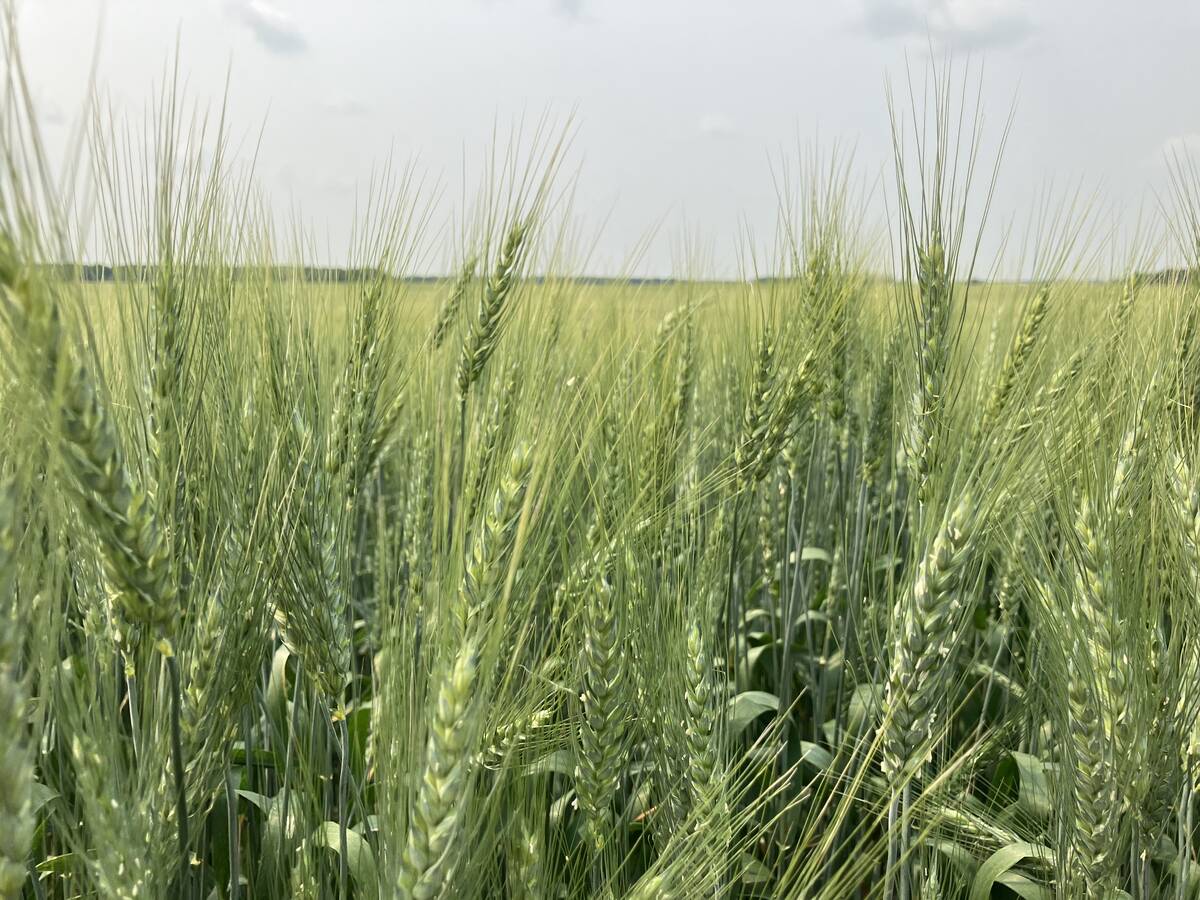
He cited wheat studies showing timed foliar copper applications delivered notably higher yields, and pointed to two application windows: BBCH 31 and BBCH 45. The gap between those two stages is typically longer than the two-week effective window of a foliar application, which is why a staged approach matters.
Owen’s recommended foliar rate is 0.5 litres per acre with a minimum 10 gallons of water per acre. Copper sulfate can address deficiencies, but in soils with higher organic matter, a complexed or chelated form is recommended to prevent tie-up. Copper oxides should be avoided.
“What it will do is it’ll have no impact on the plant, but your soils will look better because it’s insoluble,” he said.
Watch your tank mixes
Growers applying foliar copper need to be careful about what they mix it with. Owen flagged strobilurin fungicides as the most problematic tank mix partner.
“Strobilurins I would say are the harshest ones to put with copper. SDHIs would be my second warmest and generally most triazoles are okay,” he said.
The exception: generic triazoles still using the EW formulation with oils present.
“That is a desiccant. Great product, but if you don’t know how to use it, you’ll make a mess.”