

Canadian farmers shouldn’t be surprised by volatile market developments — particularly in the last few years — but let’s face it, they still are.
Just when it looks like about the only thing to worry about is the weather, along comes some development, usually stemming from some sort of political screw up, and the best cropping or breeding plan is out the window.
Nortera closure blindsides southern Alberta growers
Read Also
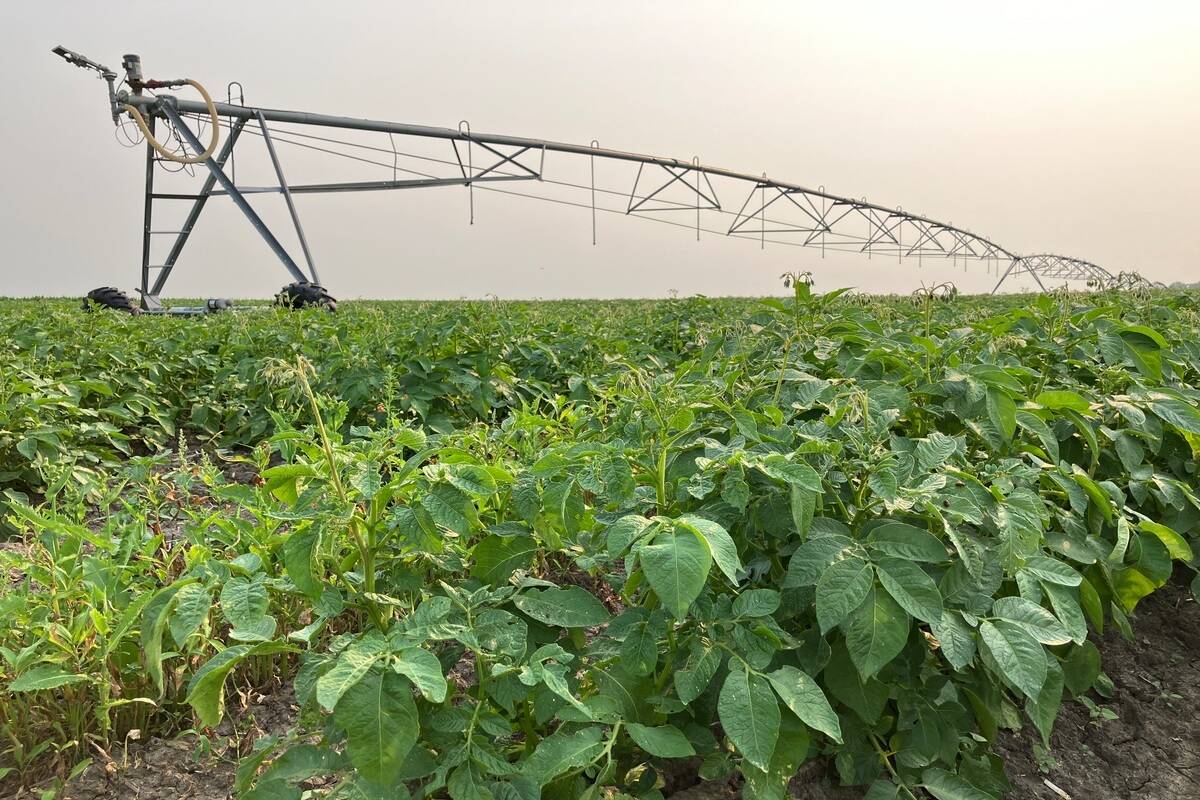
Alberta potato growers face rising costs, trade uncertainty and global competition
Alberta potato growers are navigating surging input costs, new global competitors, and an uncertain U.S. trade relationship.
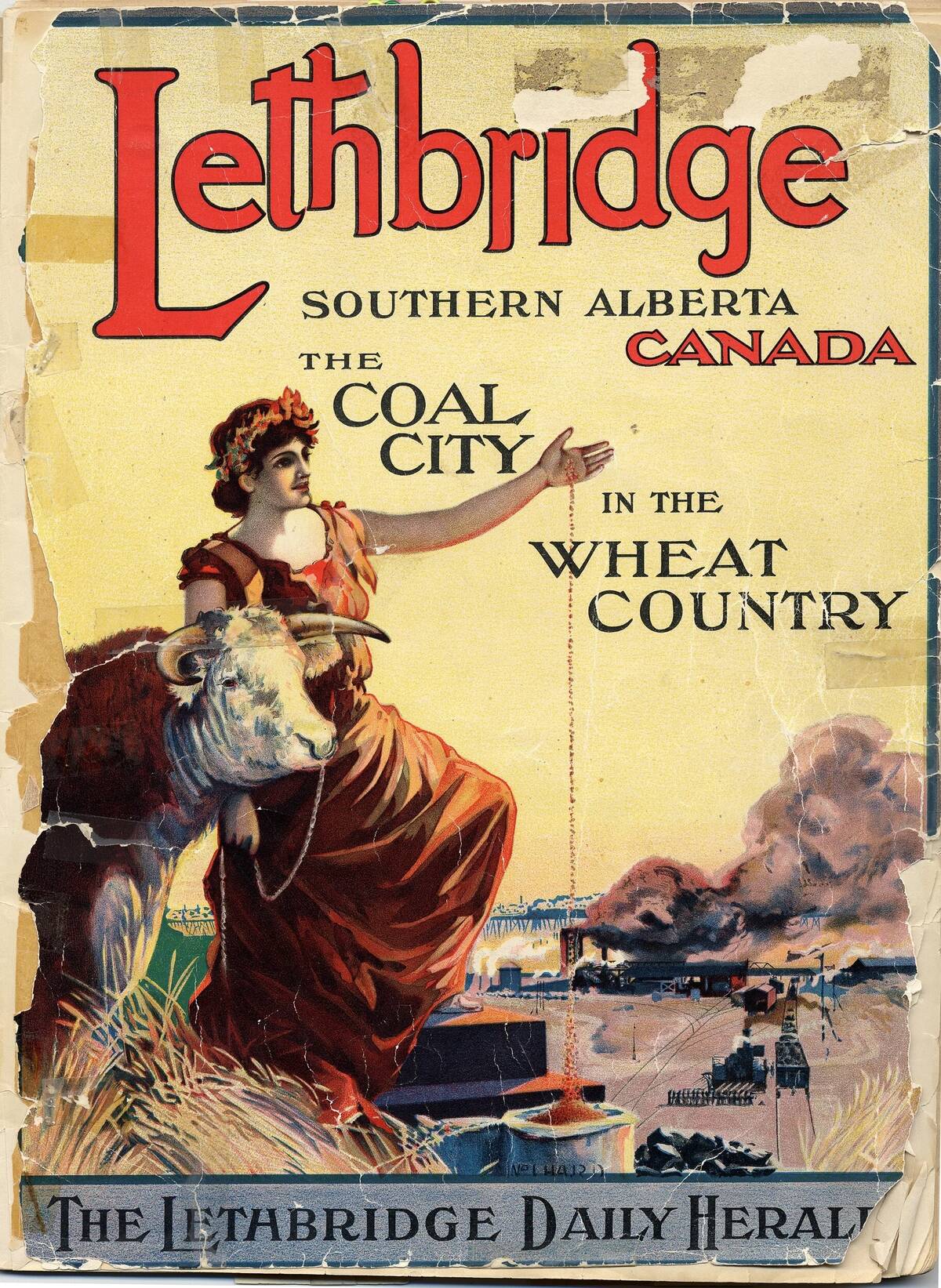
There have been a few of these blindsiding developments in the last 25 years that come to mind, with the most recent being the announced closure of the Nortera vegetable processing plant in Lethbridge, which takes effect in June. The plant, under various ownership, has been processing — canning and freezing — vegetables for more than 75 years.
In the grand scheme of things it might be considered a niche market issue, but for nearly two dozen southern Alberta producers, not to mention the 70 people who worked at plant, it is hugely important and a surprise kick in the collective butt. Everyone will land on their feet eventually, but in the short term it causes much stress and uncertainty.
It was only this past January, I worked on an article looking at how valuable this fresh vegetable market was to southern Alberta — everything was coming up sweet peas at that time. There didn’t appear to be any immediately threatening clouds in the sky, although Nortera did note it was important for Canadian producers to be competitive because in some cases it was cheaper to buy imported vegetables than those grown at home. It appears that caution came home to roost.
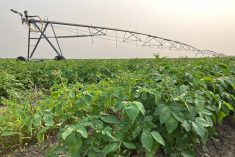
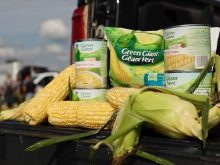
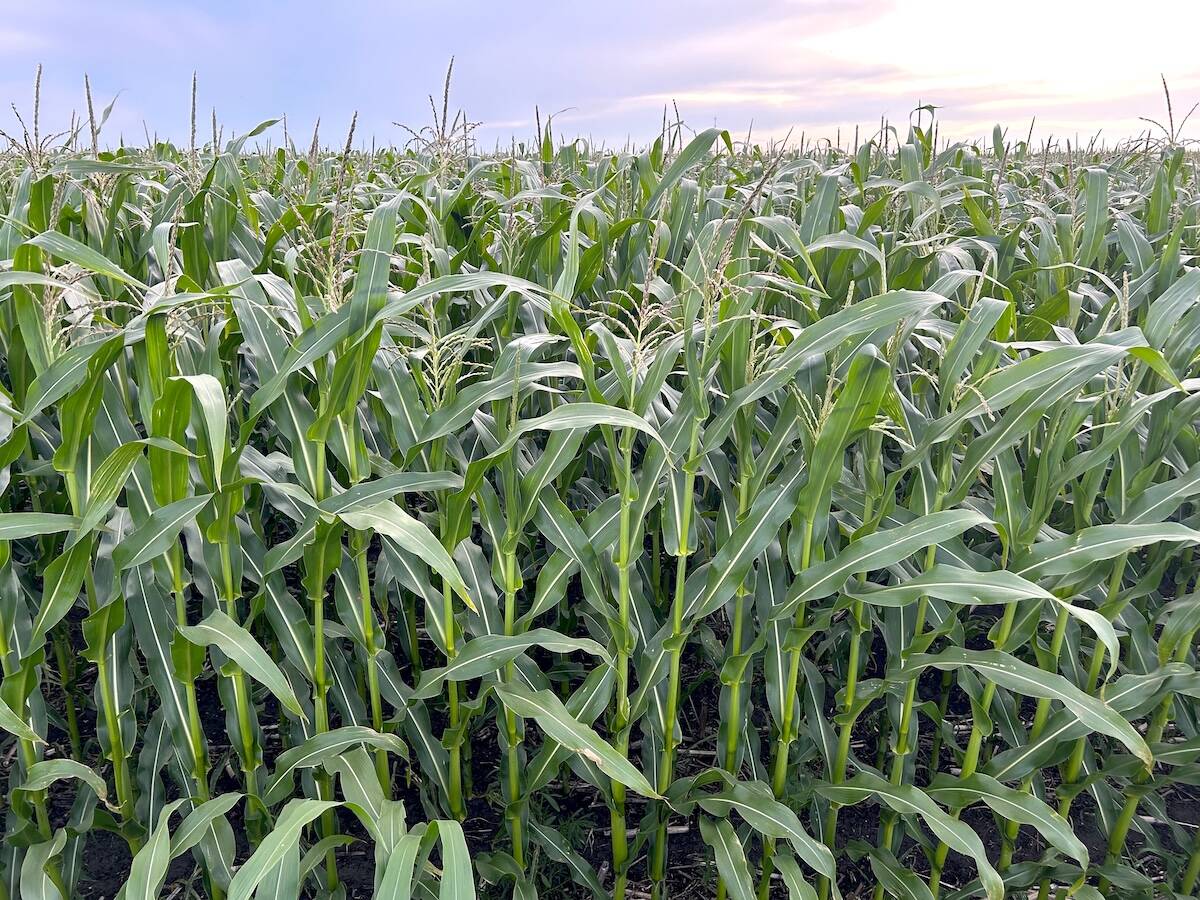
For more than a decade, Nortera had contracted nearly 7,000 acres from these farmers who produced about 4,500 acres of green peas and 2,400 acres of sweet corn, with a farm gate value of about $10 million.
So the decision in March to close the Lethbridge plant that supplied mostly frozen and packaged locally grown vegetables to major retailers across Canada was totally unexpected. Nortera is still processing vegetables in its other 10 plants across Canada, but the Lethbridge site is closing.
“I was really surprised, it was totally out of the blue,” says Kevin Wind who owns Windland Farms northeast of Taber.
For the past 10 years, Wind along with about 20-plus southern Alberta farmers who are members of the Alberta Vegetable Growers (Processing) Board, have been growing green peas and sweet corn under contract for Nortera. Wind is board chair.
“None of us saw this coming, there was no indication,” he says. “Plans for the 2026 growing season were made, now we’ll have to pivot and see about growing something different.”
Along with the green peas, Wind also produces potatoes, grass seed and durum.
“The green peas were the second best crop next to potatoes in terms of value on my farm,” he adds. “I like having contracted production, perhaps I can line up some more grass seed acres.
“We just have to accept the fact, you do your best, but a major change may be just one phone call away. … Companies look after their bottom line.”
“We just have to accept the fact, you do your best, but a major change may be just one phone call away. … Companies look after their bottom line.”
Kevin Wind
Windland Farms
Import inquiry may offer future protection
Subsequent to the Nortera plant closure, federal Finance Minister François-Philippe Champagne has launched a 180-day safeguard inquiry into imports of certain canned and frozen vegetables. With a recent surge in low-priced imports into Canada, the Canadian Association of Vegetable Growers and Processors requested the inquiry.
The Canadian International Trade Tribunal investigation, scheduled for June 2026, will determine if imports of products like corn, beans, peas and chickpeas cause “serious injury” to domestic producers. The inquiry will determine if the surge in imports is causing or threatening to cause “serious injury” to Canadian processors and growers.
Not to second guess the outcome of the inquiry, but my money is on the answer being a very big “yes”.
That investigation won’t change anything for these southern Alberta growers but it may have some value in protecting Canada’s agriculture industry down the road.
A quarter-century of trade shocks
The Nortera story is just a clear example — if it ain’t one thing it’s another. I have great respect (and often sympathy) for Canadian farmers and ranchers who, over the past 25 years or so, have had to cope with, adapt, re-tool and “pivot” their operations when it comes to unexpected trade disruptions.
I think everyone remembers where they were on May 20, 2003, when a single case of BSE shut down the Canadian beef industry over night. The Canadian government and the beef industry dealt with that with great expediency, but the decade-long political fallout of Mad Cow Disease on markets lingered well beyond what science was saying.
The Canadian Wheat Board was dismantled in 2012. I know for a lot of producers it was a welcomed move, but also for many others it was very disruptive.
Then there was a Country of Origin Labelling (COOL) issue in the U.S. which threatened Canadian beef and pork exports in 2015. Pakistan refused to accept Canadian pulse crops in 2017 over a phytosanitary issue. There was a risk of ban on Canadian lentils to India in 2023, as the Canadian government made allegations against the Indian government — threatened, but the ban didn’t happen.
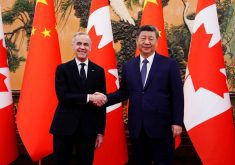
China placed a ban on Canadian beef, pork and canola during the Huawei/two Michaels fiasco in 2019. That lingered for three years. And then China imposed tariffs on Canadian canola seed and oil in 2025 because Canada imposed 100 per cent tariff on Chinese-made electric vehicles. With a bit of perhaps unpopular diplomacy, that situation lightened up in March of 2026.
I can’t even figure out what impact the apparent sliding scale of on-again-off-again U.S. tariffs on Canadian products has had. If nothing else, it has caused tremendous uncertainty. And with a review of the Canada-U.S.-Mexico agreement being discussed, lord only knows how the dust will settle after that. And the war on Iran and its disruption of global energy and fuel supplies will and is having a major impact on the cost of producing all agriculture and food products and marketing. It just never ends.
I don’t know who wrote the original metaphor I’ve cited here, but it aptly describes the resiliency of producers. Hopefully farmers and ranchers have embraced the sentiment “We can’t change the wind, but we can adjust our sails.”
I’m sure it is an approach most have had to adopt over the years. Unfortunately, the message becomes more relevant each day.