
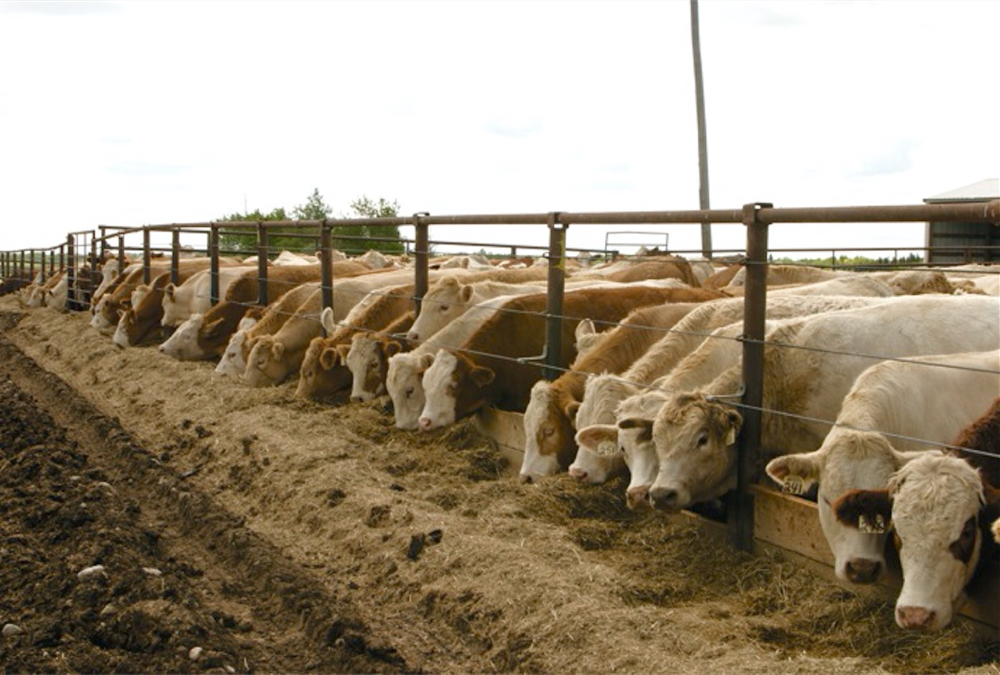
When you don’t know the quality of your livestock feed, maintaining animal health and welfare can become significantly more difficult, says the Beef Cattle Research Council.
Visual assessment of feedstuffs is not accurate enough to access quality and may lead to cows being underfed and losing body condition, or wasting money on expensive supplements that aren’t necessary.
It’s critical to collect a feed sample that is representative of the feed ingredients being tested.
Read Also
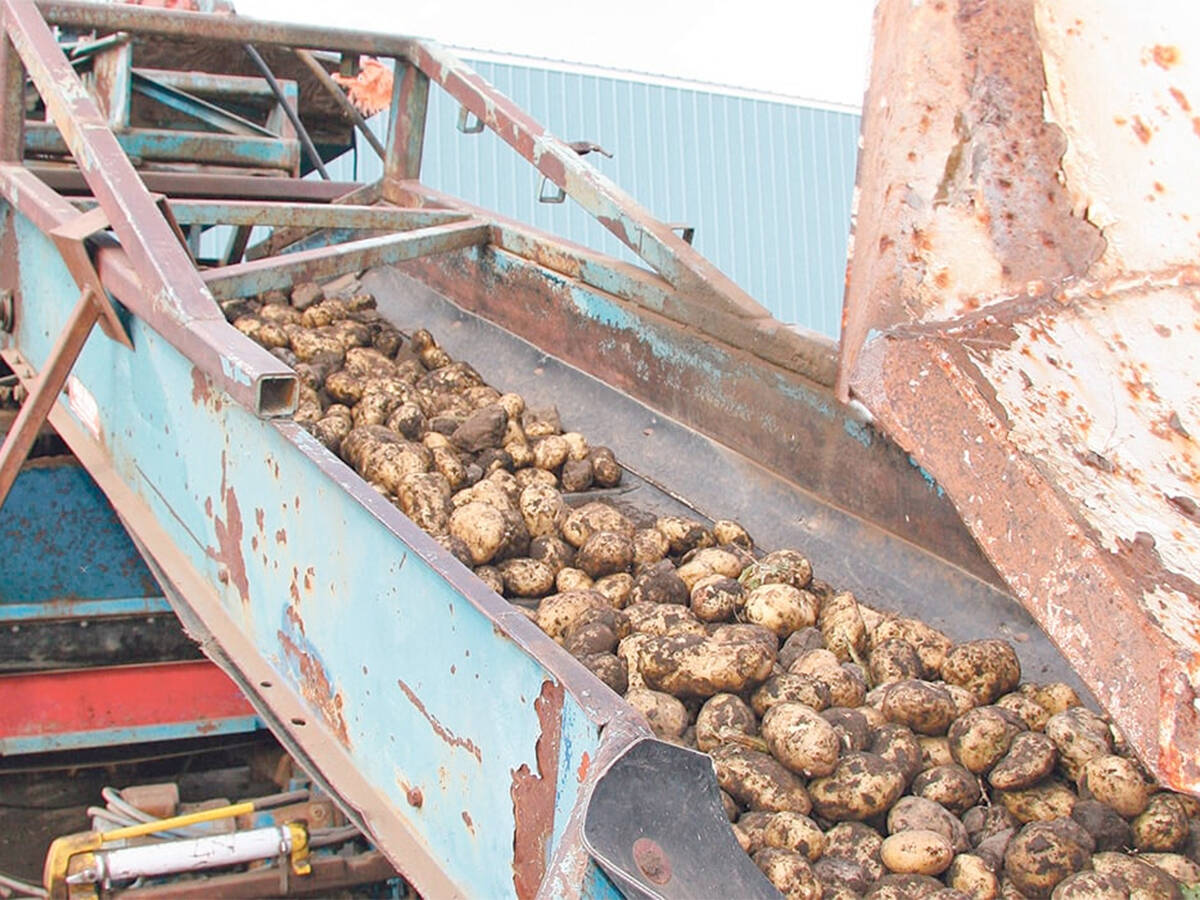
Lethbridge Polytechnic finds faster way to screen potatoes for natural toxins without damaging the crop
Lethbridge Polytechnic developed an infrared imaging model to screen potatoes for harmful toxins — without damaging the crop.
Any feed that will be used for beef cattle can and should be analyzed, including baled forages and straw, byproducts, silage, baleage, grain, swath grazing, cover crops and corn.