


MarketsFarm – Rainfall varied across the Prairie provinces during week ended August 2, as concerns of a hay shortage continue. Approximately 39 per cent of the hay crop in Saskatchewan is now baled or stored. While hay quality is 55 per cent good-to-excellent, yields have been well below normal across the province. According to the […] Read more

Crop reports stoke hay shortage concerns

Rains bring some relief to hay markets, but not much
Rain and shortages make for an uneven hay market
Reading Time: 3 minutes Recent rains may result in hay prices softening a bit — but not by much, say experts “We have got rains and some of the pastures are rebounding,” said Ed Shaw, a hay exporter from Olds. “The yields are going to be lower than normal because it was a slow season and it got started […] Read more

Prairie hay shortage on horizon
MarketsFarm — While rain across the Prairies has eased concerns of an all-out drought, worries of a hay shortage going into winter haven’t ceased. Darren Chapman, a Virden, Man. producer and chair of the Manitoba Forage and Grassland Association (MFGA), explained that regrowth following the first cut of hay has been strong. First-cut hay crops […] Read more

Manitoba to open up Crown lands for grazing, haying
Some Manitoba Crown lands not generally used for grazing or haying will be made available for temporary lease to producers this summer and fall. Citing “dry conditions in parts of the province,” the Manitoba government announced Monday that livestock producers “will temporarily be allowed to cut hay and allow animals to graze on Crown land […] Read more

Less rain equals more danger for cattle on your ranch
Reading Time: 3 minutes Polioencephalomalacia, fog fever, blue-green algae, and vitamin A deficiency. Those are just four potential health threats to cattle when conditions are extremely dry. “The biggest problem we have on the Prairies is water that is high in sulphates,” said Dr. John Campbell, professor in the department large animal clinical sciences at the University of Saskatchewan. […] Read more

You’ve got your feed results — now what?
Two new feed testing tools can identify potential issues and compare the value of different feeds
Reading Time: 2 minutes Two new online tools for measuring feed quality are now available. The tools (developed by the Alberta Beef, Forage and Grazing Centre) can help flag potential nutritional problems, and identify the comparative economic value of different feeds based on their quality. Feed testing can prevent ‘sneaky production problems ‘ (such as poor gains or reduced […] Read more

Saskatchewan extends greenfeed seeding deadline
Saskatchewan farmers who still want to put in cereal crops for greenfeed with crop insurance coverage will get an extra couple of weeks to do so. Saskatchewan Crop Insurance on Wednesday announced an extension on the June 30 deadline for seeding crops for greenfeed, to July 15. Producers who have crop insurance will now be […] Read more
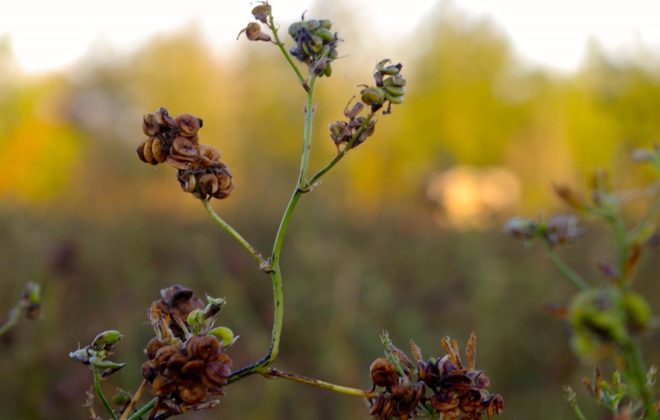
Don’t let those drought-stressed forages go to seed
You won’t get a lot of hay from that first cut but it gives you a chance of getting a second one
Reading Time: 2 minutes Determining the right time to cut a hay stand could mean the difference between harvesting a second cut or the stand becoming dormant, says a provincial forage and beef specialist. “A lack of sufficient moisture stresses plants, and that is certainly apparent this spring,” said Karin Lindquist. “Plants that do not get enough moisture are […] Read more
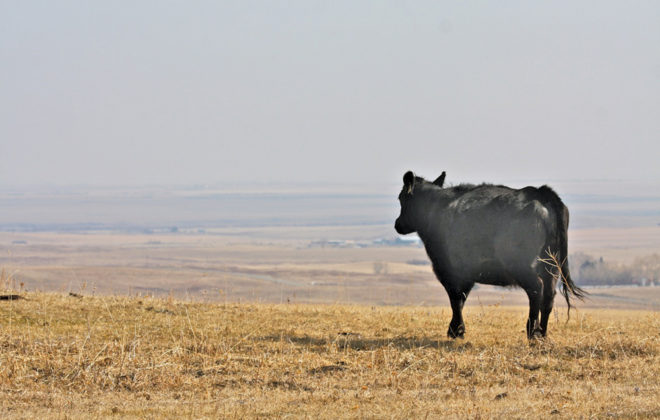
Double whammy: Second dry year hits forages hard
With pastures suffering and hay supplies tight and expensive, fallback strategies are needed
Reading Time: 3 minutes It’s already a tough situation for forages, and fears are mounting that it will get worse. “We went into the winter in very dry conditions. We have had some rains as of late, but with perennial forage crops, their production is pre-set from the year before,” said Ed Shaw, president and chief executive officer of […] Read more

Rancher finds success after realizing he had things backwards
Morrie Goetjen spent years focusing on his cattle, but he now says it’s healthier soil that is the key
Reading Time: 4 minutes What do a policeman and cattle producer have in common? Probably not much, unless you are Morrie Goetjen. The Calgary-area producer has been farming full time since the mid-’80s but since retirement has been able to really focus on his cattle operation. Goetjen has land both northwest of Calgary and northeast of Cremona. The two […] Read more